

IRGC Seizes Israeli Hermes 900 Drone for Advanced Tech Analysis Amid Rising Tensions
• From trending topic: IRGC seizes Hermes 900 drone for tech analysis
Summary
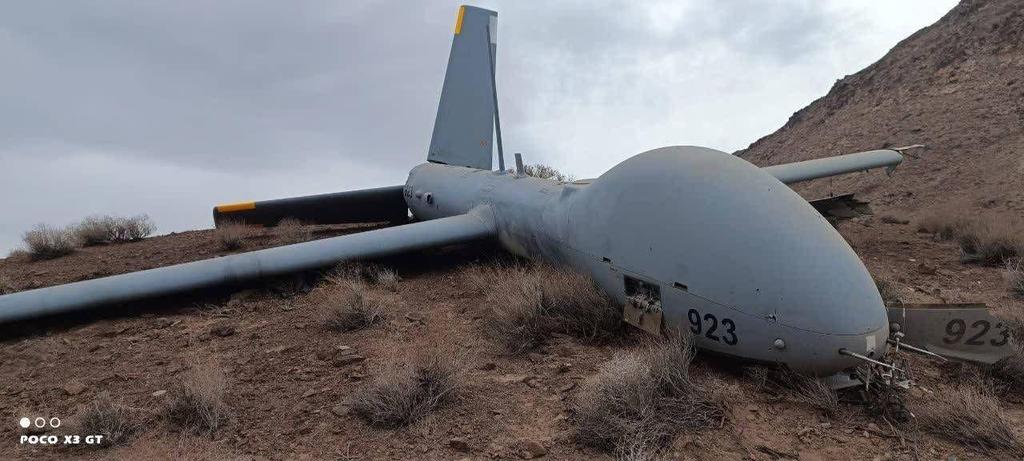
The Islamic Revolutionary Guard Corps (IRGC) has seized an Israeli-made Hermes 900 unmanned aerial vehicle (UAV) drone, announcing plans to conduct in-depth technological analysis on the captured asset. This development emerged as a major trending topic today following the IRGC's official statement and release of images showing the intact drone in their possession, sparking widespread discussion across social media platforms like X (formerly Twitter) and global news outlets. The seizure occurred after the drone reportedly entered Iranian airspace near the country's western borders, prompting an immediate interception operation by IRGC forces.
What made this trend explode right now is the timing: the announcement coincides with heightened Israel-Iran hostilities, including recent exchanges of drone and missile strikes, positioning this as a fresh escalation in the shadow war between the two nations. Iranian state media highlighted the drone's advanced surveillance capabilities—such as its 36-hour endurance, real-time intelligence gathering, and integration with Israeli defense systems—as key targets for reverse-engineering. The IRGC emphasized that the capture will yield valuable insights into Western military tech, potentially bolstering Iran's own drone program. This specific event has amplified online buzz, with #IRGCDronesSeizure garnering millions of views, as it underscores the ongoing technological arms race in the Middle East.
Common Perspectives
Iranian National Pride and Strategic Victory
Many in Iran and supportive voices view the seizure as a triumphant demonstration of the IRGC's air defense prowess, celebrating it as a blow to Israeli intelligence operations and a boost to national morale. Supporters argue this intact capture allows Iran to leapfrog in drone technology, turning an adversary's tool into a domestic asset.
Israeli Security Concerns and Operational Setback
From an Israeli standpoint, the incident raises alarms about a potential intelligence breach, with analysts pointing to the Hermes 900's role in critical border surveillance missions. Perspectives here focus on the risks of tech proliferation if Iran dissects the drone's avionics, sensors, and encryption systems, potentially enhancing threats to regional allies.
Western Intelligence and Tech Export Fears
Observers in the US and Europe express worry over the implications for global drone technology security, noting the Hermes 900's use of components from international suppliers. This view highlights how such seizures could expose vulnerabilities in supply chains, prompting calls for tighter export controls on dual-use tech amid fears of reverse-engineered upgrades to Iranian UAV fleets.
Regional Escalation and Proxy War Signal
Analysts across the Middle East see this as a harbinger of intensified proxy conflicts, linking it to broader Iran-Israel drone skirmishes involving groups like Hezbollah and Houthis. This perspective frames the seizure as provocative posturing that could draw in more actors, heightening risks of miscalculation in already volatile airspace.
Geopolitical Power Shift Through Tech Theft
Some international commentators interpret the event as evidence of a shifting balance, where asymmetric captures like this empower smaller powers against tech-superior foes. They point to Iran's history of similar seizures, suggesting this bolsters its deterrence and export market for modified drones to allies.
A Different View
While most discussions center on military implications, consider the seizure's potential to inadvertently accelerate global drone innovation through open-source ripples. If Iran publicly shares non-classified analysis—perhaps via state media or proxies—it could democratize advanced UAV designs, spurring hobbyists, startups, and non-state actors worldwide to iterate on Hermes-like features. This "tech leak paradox" might force Israel and its allies to innovate faster, inadvertently fostering a more competitive, multi-polar drone ecosystem rather than a clear win for any side, much like how past captures have influenced commercial quadcopter advancements.
Conclusion
The IRGC's seizure of the Hermes 900 drone marks a pivotal moment in the Iran-Israel tech shadow war, blending military bravado with high-stakes intelligence gamesmanship. As perspectives clash from pride to peril, this event not only trends for its drama but signals deeper shifts in how nations weaponize captured technology, with ripple effects poised to reshape Middle Eastern skies and beyond.
Sources and discussion
These public posts were collected while researching this story. They provide context and reactions, but may not independently verify every claim.
View the original topic on X