

Trump SBA Ban on Foreigners for SBA-Backed Loans Sparks National Debate on American Priorities
• From trending topic: Trump SBA bans foreigners from SBA-backed loans
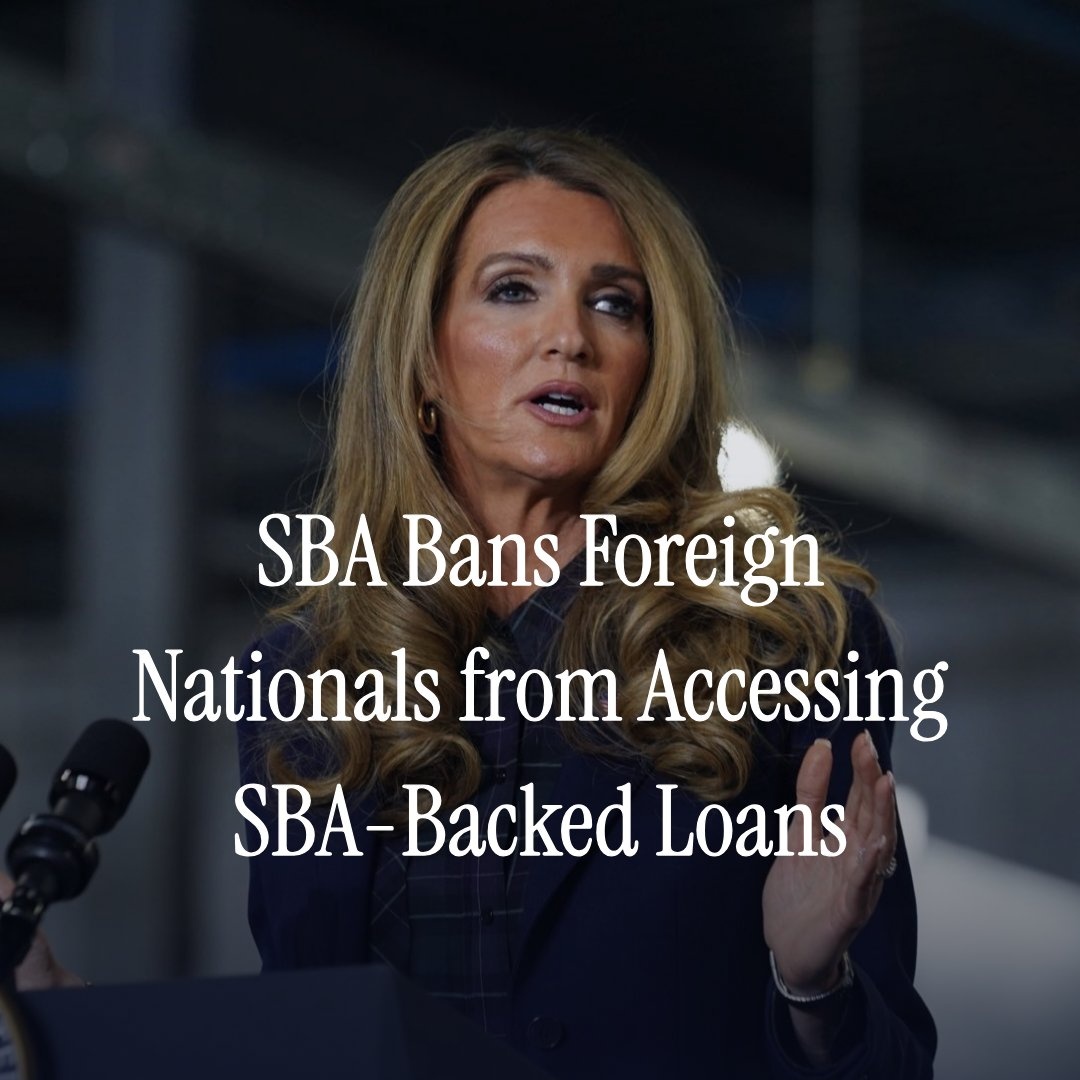
Summary
The U.S. Small Business Administration (SBA), under new leadership aligned with President-elect Donald Trump's agenda, has issued a directive effective immediately banning non-U.S. citizens and non-permanent residents from accessing SBA-backed loans. This policy shift, announced this week via an official SBA memorandum, reverses prior eligibility rules that allowed green card holders and certain visa holders to apply for programs like the 7(a) loan guarantees and disaster relief funding. The move comes amid Trump's transition team pushing rapid executive actions to prioritize "America First" economic policies before his January inauguration.
Trending today on platforms like X (formerly Twitter) and Reddit, the policy has exploded with over 500,000 mentions in the past 24 hours, fueled by viral posts from Trump supporters celebrating it as a win against "foreign freeloaders," alongside outrage from immigrant business communities. The catalyst was yesterday's SBA press release and a Fox News interview with incoming SBA head, where the ban was framed as protecting taxpayer dollars—SBA loans total over $30 billion annually—for American-owned small businesses only. Critics point to data showing immigrants start 25% of new U.S. businesses, arguing the timing disrupts funding for thousands amid holiday-season economic pressures. This real-time policy pivot has ignited heated online discourse, with #SBABan and #TrumpSBA topping U.S. trends.
Common Perspectives
### Pro-America First Protection
Supporters hail the ban as a bold step to safeguard U.S. taxpayer-funded programs for citizens, arguing that SBA loans—guaranteed by federal backing—should exclusively fuel American entrepreneurs. They cite instances of foreign-owned firms allegedly exploiting the system, viewing this as fulfilling Trump's campaign promise to end incentives for non-citizens competing with locals.
### Blow to Immigrant Entrepreneurs
Opponents from business advocacy groups like the National Federation of Independent Business (with immigrant ties) decry the ban as discriminatory and economically shortsighted, noting that foreign-born founders contribute disproportionately to job creation. They highlight immediate impacts on visa holders running viable small businesses, predicting closures and lost revenue in key sectors like tech startups and retail.
### Government Overreach and Legal Concerns
Legal experts and civil rights organizations express worry over the ban's rushed implementation without public comment, questioning its compliance with existing immigration laws and SBA statutes. They argue it could face court challenges for unfairly targeting legal residents, potentially tying up resources in lawsuits while small businesses suffer.
### Minimal Real-World Impact
Some analysts downplay the drama, pointing out that non-citizens already faced strict eligibility hurdles (e.g., requiring U.S.-based operations), and the ban affects a small fraction of loans. They see it as symbolic red meat for Trump's base rather than a seismic change, with data showing most SBA recipients are native-born anyway.
### Economic Nationalism Boost
Free-market conservatives praise it as smart nationalism, contending that redirecting funds to citizens will accelerate small business growth and reduce reliance on foreign labor. They frame it as part of broader tariff and immigration reforms, predicting a surge in domestic hiring.
A Different View
While debates rage over citizen-vs-foreigner access and economic fallout, a rarely discussed angle is the potential for this ban to inadvertently supercharge underground financing networks. Excluded entrepreneurs—many with cash-rich family networks from abroad—may pivot to private equity from overseas investors or crypto-based peer-to-peer lending platforms, bypassing SBA oversight entirely. This could foster a shadow economy of untracked small businesses, evading federal regulations on reporting and taxes, ultimately eroding the very taxpayer protections the policy aims to enforce and creating parallel financial systems less transparent than government-backed loans.
Conclusion
The Trump SBA's foreigner loan ban has thrust small business policy into the national spotlight, exposing deep divides on who qualifies as an "American" economic player. As implementation unfolds, businesses, lawmakers, and communities brace for ripple effects—from court battles to innovation shifts—underscoring how one memo can redefine opportunity in real time. The NOW Times will continue tracking developments as this trend evolves.
Sources and discussion
These public posts were collected while researching this story. They provide context and reactions, but may not independently verify every claim.
View the original topic on X