

Israel’s UN Ambassador Danny Danon Declares No Role in US-Iran Talks, Vows Continued Strikes to Block Iran’s Nuclear and Missile Ambitions
• From trending topic: Israel’s UN ambassador Danny Danon says Israel not part of US-Iran talks, will continue strikes on Iran
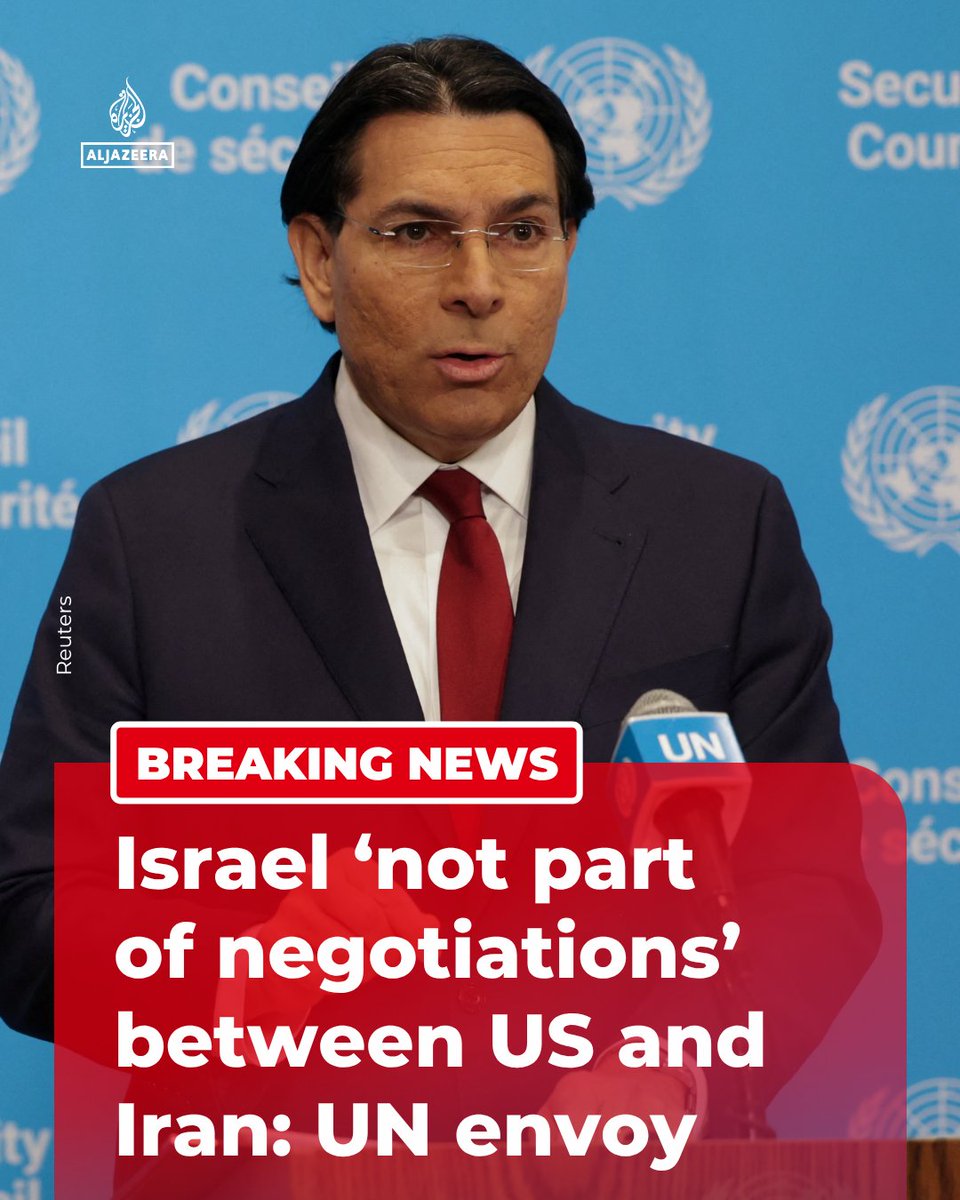
Summary
Israel’s Permanent Representative to the United Nations, Danny Danon, made headlines today with a stark statement asserting that Israel is not involved in any reported negotiations between the United States and Iran. Speaking amid escalating tensions, Danon emphasized that Israel will persist with military strikes targeting Iranian assets, with the explicit goal of preventing Tehran from advancing its nuclear weapons program or developing long-range ballistic missiles. This declaration surfaced during a high-stakes UN session focused on Middle East conflicts, including ongoing issues in Lebanon and the West Bank, and quickly exploded across social media platform X, where multiple "BREAKING" posts—some garnering over 100 likes—reposted his words verbatim, driving the topic to trend globally.
The timing aligns with fresh reports of alleged backchannel US-Iran talks, rumored to address de-escalation amid Israel's recent airstrikes on Iranian-linked targets. Danon's comments directly counter these reports, signaling Israel's independent stance and refusal to defer to diplomatic efforts that might not align with its security priorities. Live update threads on X amplified the buzz, linking it to broader regional flashpoints like settler activities in the West Bank displacing Palestinian communities and cross-border exchanges with Lebanon. This comes against a backdrop of intensified Israeli operations, including strikes killing Iranian personnel, underscoring Israel's proactive military posture even as global powers explore talks. The statement's virality reflects heightened public anxiety over potential nuclear proliferation and the risk of wider conflict.
Common Perspectives
Israel's Right to Self-Defense
Supporters of Danon's position argue that Israel's strikes are essential for national survival, viewing Iran's nuclear pursuits and missile programs as existential threats. They praise the ambassador's clarity in rejecting exclusion from talks, seeing it as a firm commitment to act unilaterally if diplomacy fails to neutralize these dangers.
Push for Diplomatic Engagement
Critics contend that Israel's decision to continue strikes undermines fragile US-Iran negotiations, potentially derailing a chance for de-escalation. They highlight the need for coordinated international efforts at the UN to address root causes, warning that solo actions could provoke retaliation and expand the conflict.
Regional Solidarity Against Israel
Voices from Iran's allies, including statements attributed to North Korea's Kim Jong-un labeling US actions as "state terrorism," frame Danon's remarks as aggressive posturing. They call for global isolation of Israel, citing reports of civilian impacts from strikes and urging countries like Turkey to cut ties, such as halting oil exports.
Media and Narrative Control Concerns
Some observers accuse leaders of manipulating coverage to portray military gains as victories, drawing parallels to tactics inspired by figures like Kim Jong-un. They point to UN reports on West Bank displacements and past Israeli envoy actions, like tearing up human rights documents, as evidence of inconsistent appeals for international support.
Escalation Fears Amid Broader Conflicts
Many express alarm over the strikes' human toll, referencing incidents like bombings killing Iranian personnel in residential areas. They connect this to ongoing Middle East instability, including Lebanon tensions and West Bank violence, fearing Danon's vow signals an unrelenting campaign that could ignite a multi-front war.
A Different View
While much discourse fixates on immediate military and diplomatic clashes, Danon's statement could be repositioned as a strategic bid to reshape UN dynamics. By publicly decoupling from US-Iran talks, Israel might be pressuring the international body to convene emergency sessions that mandate stricter sanctions on Iran's nuclear sites—leveraging the UN's own frameworks, like those on weapons proliferation, to legitimize strikes under collective security pretexts. This angle shifts focus from unilateral aggression to a calculated multilateral gambit, potentially drawing in unlikely partners wary of Iran's missile exports to non-state actors.
Conclusion
Danny Danon's bold assertion has crystallized a pivotal moment in US-Iran-Israel tensions, thrusting Israel's unyielding security doctrine into the global spotlight. As X buzz evolves with live updates and cross-regional reactions, the world watches whether this spurs renewed diplomacy or hardens lines for confrontation, with nuclear stakes hanging in the balance.
Sources and discussion
These public posts were collected while researching this story. They provide context and reactions, but may not independently verify every claim.
View the original topic on XAl Jazeera English
@AJEnglish
BREAKING: Israel’s UN ambassador Danny Danon says the country is not part of alleged US‑Iran talks, adding that it will continue strikes in Iran and aims to prevent Iran from gaining nuclear or ballistic missile capabilities. 🔴 LIVE updates:
Mar 24, 202652 likes28 repostsZakcess 👔
@z_akcess1
BREAKING: Israel’s UN ambassador Danny Danon says the country is not part of alleged US‑Iran talks, adding that it will continue strikes in Iran and aims to prevent Iran from gaining nuclear or ballistic missile capabilities. 🔴 LIVE updates:
Mar 24, 2026Ismah2013
@ismah2013
BREAKING: Israel’s UN ambassador Danny Danon says the country is not part of alleged US‑Iran talks, adding that it will continue strikes in Iran and aims to prevent Iran from gaining nuclear or ballistic missile capabilities.
Mar 24, 2026Rotunda Insights
@rotundainsights
BREAKING: Israel’s ambassador to the UN, Danny Danon, says Israel isn’t involved in reported U.S.–Iran negotiations and will keep up strikes against Iranian targets, insisting it must stop Tehran from developing nuclear weapons or long‑range ballistic missiles. �
Mar 24, 2026Al Jazeera Breaking News
@AJENews
BREAKING: Israel 'not part of negotiations' between US and Iran, Israeli UN envoy says 🔴 LIVE updates:
Mar 24, 2026138 likes68 repostsFaisal Ali Shah
@FaisalzUpdates
BREAKING: Israel 'not part of negotiations' between US and Iran, Israeli UN envoy says
Mar 24, 2026