

Iranian State Media Ties Hormuz Disruption to US-Iran Fighting and Household Costs Worldwide
• From trending topic: Strait of Hormuz Crisis Impacts Ordinary People Worldwide
Summary
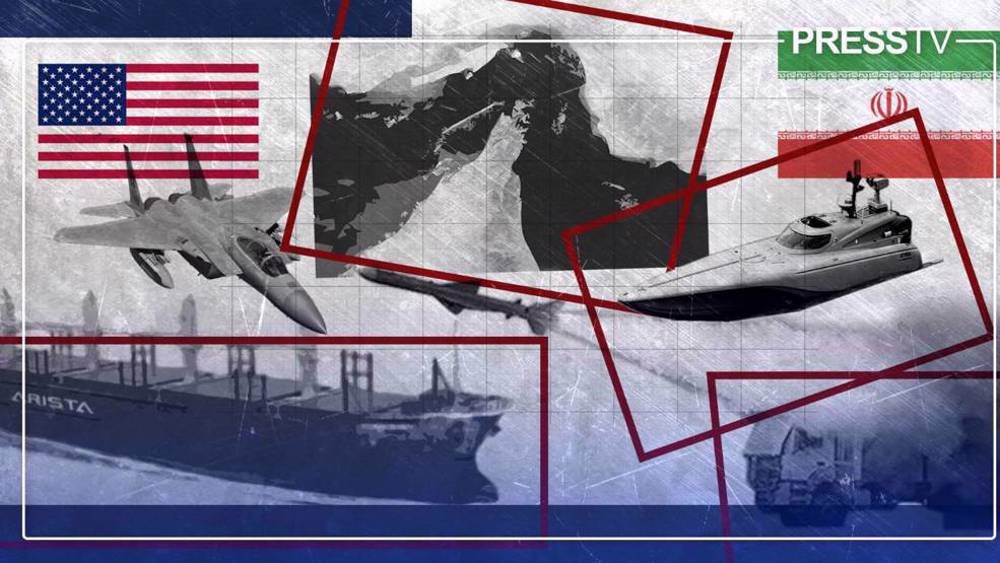
A Press TV article dated 16 August 2026, circulated widely on X the following day, argued that a crisis in the Strait of Hormuz “triggered by US war on Iran” is already raising living costs for ordinary people far from the Gulf. The Iranian state-funded outlet presented the waterway’s disruption as a direct transmission belt from a military clash to energy, shipping, and consumer prices. Posts sharing the piece treated that causal chain as the story of the moment.
The Strait of Hormuz is a genuine chokepoint: a large share of seaborne crude and a substantial portion of Middle East LNG still pass through it. Fear of interruption, let alone an actual halt, historically lifts oil prices and then freight, fertilizer, and food costs. What the trending posts did not supply was independent confirmation of the scale of any current fighting, the number of tankers actually delayed or diverted, or the size of any price move. Press TV’s phrasing—“US war on Iran”—is the outlet’s official framing. Other governments’ descriptions of events, if they exist, were not part of the material driving the discussion.
Common Perspectives
Washington started it, so the world pays
This view is common among readers already skeptical of US military action in the Middle East and among audiences of Iranian and some Global South media. It offers a clean moral sequence: American force produced the crisis, therefore American and allied consumers should absorb the cost. It assumes the United States initiated large-scale hostilities and that effects on the strait are a straightforward consequence rather than a mutual escalation. The trade-off is that it can sideline Iran’s own long record of threatening the waterway and the costs borne inside Iran.
Tehran is using the strait as leverage
Held by those who treat Iran as a revisionist power that has repeatedly warned it could close Hormuz. Any disruption is read as coercion, and US action—whatever its immediate trigger—as a response to Iranian behavior. The appeal is that it locates agency with the government that sits astride the passage. It assumes pressure or deterrence can restore traffic without a wider war. The trade-off is that it underplays how quickly energy markets punish US partners who depend on Gulf supplies.
The chokepoint was always the real problem
Energy traders, some security analysts, and critics of slow diversification tend to argue that the identities of the combatants matter less than the fact that so much oil and gas still moves through one narrow passage. Ordinary people feel the shock because governments and companies never built enough redundancy. The view appeals as a systems diagnosis. It assumes alternatives—more pipelines, larger strategic stocks, faster shifts in transport fuel—were politically available. The trade-off is that a systems critique can sound abstract while decisions about shooting and shipping are being made in real time.
Import-dependent households pay first and longest
Voiced in commentary from South Asia, parts of Africa, and other net energy and food importers. Fuel and staple inflation hit families that already spend a large share of income on those items, and their governments have less room for subsidies than rich importers. The appeal is equity: people least involved in the fighting suffer most. It assumes this shock is large enough to dominate other sources of inflation. The trade-off is that it can flatten very different national energy mixes and fiscal capacities into a single story.
A Different View
The dominant argument treats “ordinary people worldwide” as a uniform consumer facing a pump or a grocery bill the week after the first headline. A more accurate frame is the chain of contracts that actually carries a Hormuz scare: war-risk insurance on tankers can jump before a single ship is blocked; freight rates follow; container lines add surcharges; gas-fed fertilizer plants see feedstock costs rise; and harvests months later become more expensive. Those lags mean the political fight over who started the war will be settled in public long before the full price effect arrives in shops. They also mean countries that stockpiled, refined earlier, or can switch power generation experience a different “ordinary” reality than those living on imported diesel and wheat.
Conclusion
The next useful signals are observable rather than rhetorical: tanker transits, statements from shippers and energy ministries, and whether any price move lasts beyond the first news cycle. Those will show whether this is a contained scare or a lasting shock, independent of whose narrative is circulating fastest.
Sources and discussion
These public posts were collected while researching this story. They provide context and reactions, but may not independently verify every claim.
View the original topic on X