

Iranian President Masoud Pezeshkian Declares New Phase of War as Tehran Depletes Missile Stockpile
• From trending topic: Iranian President Masoud Pezeshkian announces new phase of war, Tehran finishes stockpile
Summary
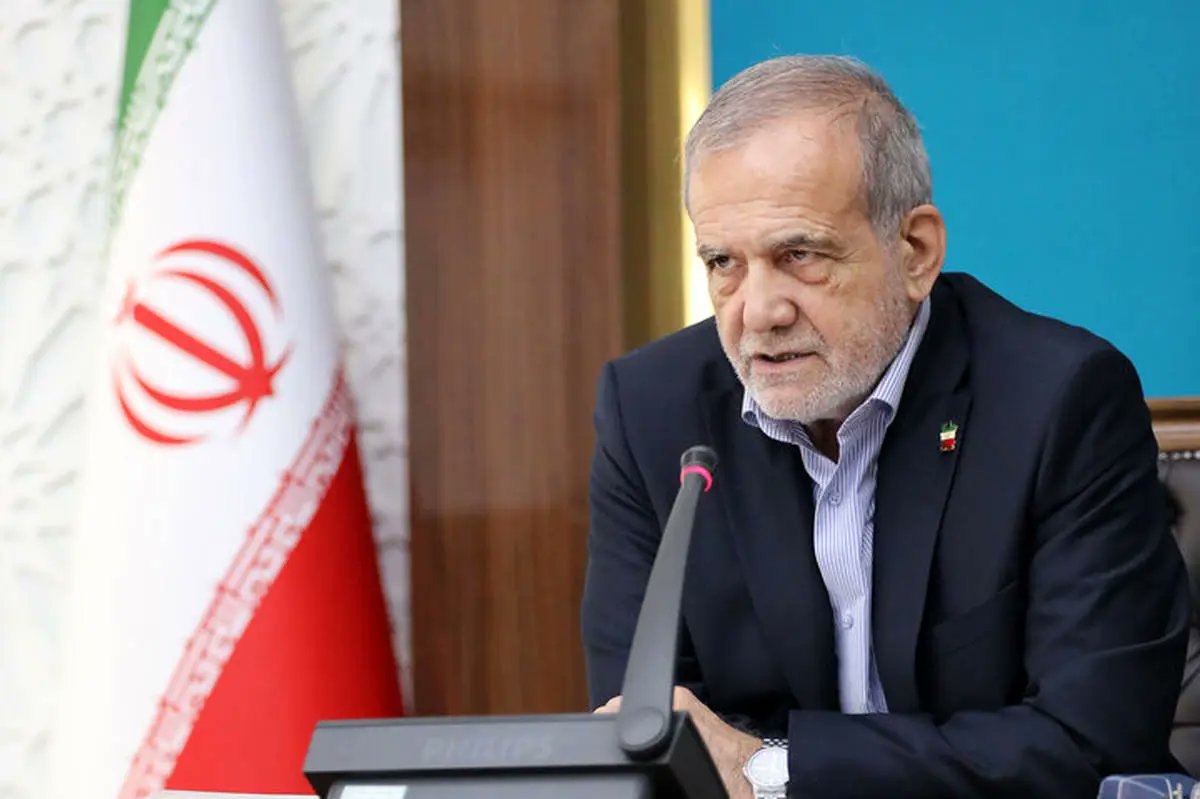
In a dramatic televised address today, Iranian President Masoud Pezeshkian announced the initiation of a "new phase" in Iran's ongoing military confrontations, coinciding with official statements from Tehran confirming the depletion of its missile stockpiles following weeks of intense exchanges. This development stems directly from escalated cross-border strikes, including recent Israeli airstrikes on Iranian military sites that sources in Tehran claim have exhausted key arsenals of ballistic missiles and drones. Pezeshkian framed the announcement as a strategic pivot, vowing to shift toward asymmetric warfare tactics, cyber operations, and proxy mobilizations across the region. The timing—mere hours after satellite imagery and Iranian state media verified the stockpile exhaustion—has propelled the story to global trending status on platforms like X and TikTok, amplified by real-time reactions from world leaders, military analysts, and affected populations in the Middle East. Key details include Tehran's report of over 90% depletion in short-range missiles used in recent barrages, prompting an urgent call for domestic production ramps and international alliances, marking a potential turning point in the shadow war with Israel and its allies.
Common Perspectives
Escalation Alarm: Risk of Regional Catastrophe
Many observers, including Middle East policy experts and residents in neighboring countries like Lebanon and Jordan, view Pezeshkian's declaration as a dangerous escalation that could ignite a full-scale regional war. They point to the stockpile depletion as evidence of Iran's vulnerability, arguing it forces Tehran into riskier maneuvers like activating Hezbollah proxies more aggressively, potentially drawing in the US and Gulf states.
Strategic Bluff: Iran's Posturing for Negotiations
A significant viewpoint from diplomatic circles and some Western analysts holds that the announcement is tactical posturing. With stockpiles finished, proponents say Tehran is leveraging the "new phase" rhetoric to buy time for resupply from allies like Russia and China, while signaling to adversaries that conventional deterrence is off the table, aiming to force concessions in nuclear talks or ceasefire deals.
Empowerment for Iran: Dawn of Guerrilla Warfare Era
Supporters within Iran and among Shia militias in Iraq and Syria celebrate this as a resilient evolution. They argue the depleted stockpiles free Iran from reliance on finite missiles, ushering in an era of low-cost, high-impact guerrilla tactics, cyber disruptions, and naval swarming in the Strait of Hormuz, portraying Pezeshkian as a bold reformer strengthening national defense.
Israeli Victory: Proof of Successful Containment
From Israeli officials, pro-Israel commentators, and security analysts in Tel Aviv, the event is hailed as validation of recent precision strikes. They see Tehran's admission of stockpile exhaustion as a direct win, contending it cripples Iran's offensive capabilities and justifies preemptive actions, with the "new phase" announcement dismissed as hollow threats from a weakened regime.
Global Energy Panic: Threats to Oil Markets
Energy traders, economists, and consumers worldwide express fears over economic fallout. With Iran's hints at disrupting Persian Gulf shipping, this perspective focuses on spiking oil prices—already up 5% today—and supply chain chaos, viewing the stockpile finish and war phase shift as harbingers of inflation and fuel shortages far beyond the Middle East.
A Different View
Consider the unintended environmental accelerator: Iran's missile stockpile depletion and pivot to cyber/proxy warfare could inadvertently hasten a global shift away from fossil fuels. With physical barrages curtailed, threats now target digital infrastructure and distant supply lines, spotlighting vulnerabilities in oil-dependent economies. This "new phase" might catalyze accelerated investments in renewable energy grids worldwide, as nations race to harden against non-kinetic attacks—transforming a military setback into an eco-strategic boon few have anticipated.
Conclusion
President Pezeshkian's announcement amid Tehran's stockpile crisis underscores a volatile pivot in Middle East geopolitics, blending vulnerability with audacious strategy. As perspectives clash from alarm to opportunism, the world watches whether this "new phase" redraws battle lines or opens doors to de-escalation, with ripple effects poised to shape security, markets, and alliances for months ahead.
Sources and discussion
These public posts were collected while researching this story. They provide context and reactions, but may not independently verify every claim.
View the original topic on X