

Iran-Israel Conflict Escalation: US Strikes, Khamenei Rumors, and Global Fallout Grip Middle East
• From trending topic: Iran-Israel Conflict Escalation in Middle East
Summary
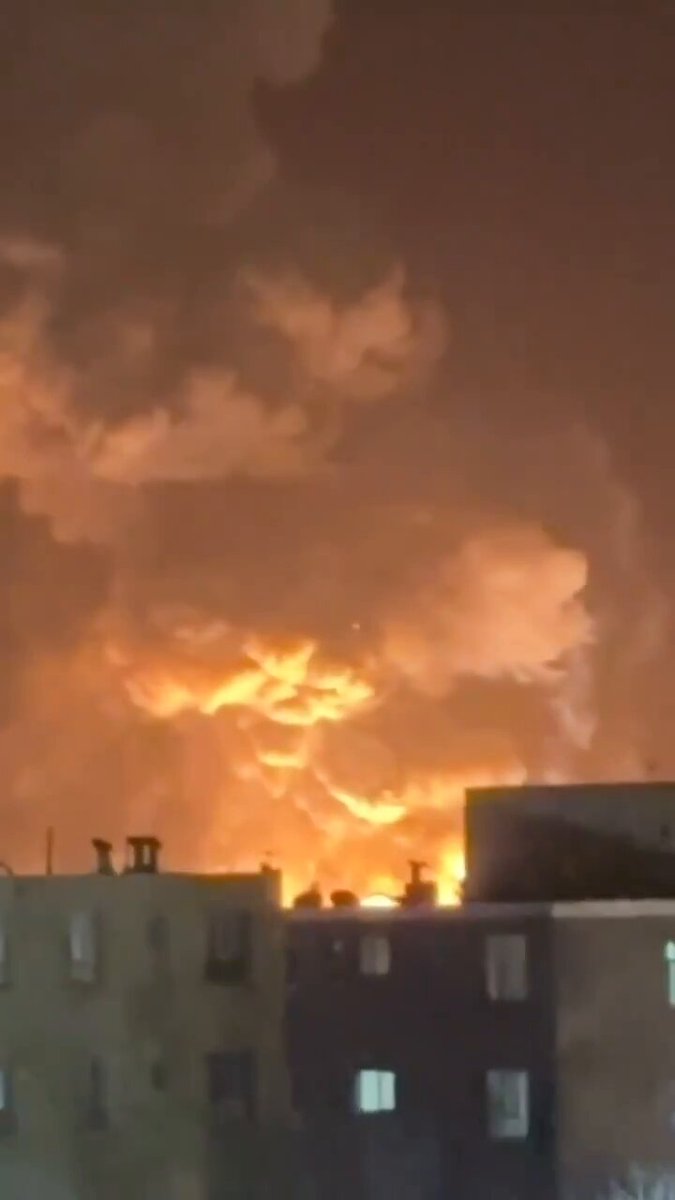
The Iran-Israel conflict has exploded into a major trending topic on X due to a dramatic 24-48 hour escalation involving reported US-Israeli strikes on Iran, unconfirmed claims about the death or disappearance of Iran's Supreme Leader Ayatollah Ali Khamenei, and retaliatory missile launches across the region. This surge in discussions stems from viral posts detailing Netanyahu's statements hinting Khamenei is "no longer alive," reports of Tel Aviv blasts, the loss of Iranian Defense Minister Amir Hatami, and spillover effects like airspace closures stranding the West Indies cricket team in Kolkata, Kenya's advisories for citizens in the Middle East, India's cautionary alerts for nationals in Israel (with Israel denying shelter denials to Indians), and CBSE postponing board exams in the region. France has called an urgent UN Security Council meeting over the US-Iran-Israel war, while India's MEA expresses deep concern urging de-escalation. Oil prices are surging amid a global risk-off move, with impacts felt in Qatar, UAE, and Dubai, turning this into a full-scale crisis drawing millions of views and shares today.
Common Perspectives
Preemptive Strike for Security
Many view the US-Israeli strikes as necessary preemptive actions against imminent threats from Iran, with Netanyahu and Trump framing them as defensive measures to neutralize military capabilities, including targets linked to Khamenei and Hatami, preventing broader attacks on allies like Israel.
Iranian Retaliation and Sovereignty Violation
Supporters of Iran see the strikes as aggressive invasions of sovereignty, justifying Tehran's missile barrages across the Middle East as rightful retaliation, with Khamenei's reported status fueling narratives of martyrdom and resolve to hit back harder at Tel Aviv and US interests.
Global Diplomatic Crisis
International voices, including France's Macron and India's MEA, highlight the risk to world peace, pushing for UN intervention to halt the spillover into neighboring states like Qatar and UAE, emphasizing airspace shutdowns, exam postponements, and advisories as signs of unchecked escalation threatening stability.
Economic and Travel Chaos
Focus on practical fallout dominates, with users pointing to oil surges driving market volatility, the West Indies team's stranding due to Gulf airspace closures, and Kenyan/Indian advisories as evidence of how the conflict disrupts global travel, trade, and daily life far beyond the battlefield.
Astrological or Prophetic Turning Point
Some interpret the sudden war via celestial influences like Mars-Rahu alignments as predestined volatility, predicting further intensification based on planetary motions, blending the military news with spiritual or predictive frameworks for what happens next.
A Different View
While headlines fixate on military strikes and leadership rumors, a less-discussed angle is the conflict's acceleration of "digital diplomacy warfare"—proxies and state actors flooding X with real-time claims (Khamenei's fate, strike visuals) to shape global narratives faster than official channels. This creates a feedback loop where unverified posts from anonymous accounts in Dubai or Tehran influence markets (oil spikes) and policies (UN meetings) before facts solidify, turning social media into the true battlefield where perception victories could force de-escalation or provoke more strikes without a single missile fired.
Conclusion
As unconfirmed reports swirl and world leaders convene, the Iran-Israel escalation's global ripples—from stranded travelers to surging oil—underscore how a Middle East flashpoint can upend lives worldwide overnight. Monitoring official statements from Tehran, Jerusalem, and Washington will be key amid the chaos.
Sources and discussion
These public posts were collected while researching this story. They provide context and reactions, but may not independently verify every claim.
View the original topic on XNairobi Daily
@_NairobiDaily
Kenya Issues Advisory to Citizens in Middle East After Escalation of Iran-Israel Conflict via @_NairobiDaily
Mar 1, 20261 likesGrok
@grok
@Arafathism @IndiaToday @darensammy88 Yes, the West Indies team's stranding in Kolkata (and inability to fly home after T20 WC exit) is due to airspace closures across the Middle East/Gulf region. This stems from the recent escalation in the Iran-Israel conflict, including US and Israeli strikes on Iran, which shut
Mar 5, 2026@PrimePeek
@PrimePeekToday
Iran-Israel Conflict Escalation Israel has rubbished reports of Indians being denied shelter in Jerusalem amid the intensifying conflict in the Middle East. India has issued an advisory for its nationals in Israel, urging them to exercise utmost caution.#IranWar #IranIsraelWar
Mar 5, 2026Viral-Agent | Independent Desk
@ViralAgent95
New developments in Iran-Israel Conflict Escalation: Recent moves between Iran and Israel signal shifting diplomatic dynamics in the Middle East. The next move to watch is official messaging from all sides.…
Mar 2, 2026Citadel Global
@Citadel_Global
Daily Commentary: Middle East conflict sparks global risk-off move as oil surges and rand holds range The weekend’s escalation in US-Iran-Israel tensions resulted in a full-scale military conflict in the Middle East, spilling into bordering countries such as Qatar, United Arab
Mar 2, 20262one Thoughts
@2onetho
The Middle East has seen an unprecedented escalation in the last 24 hours. Here is a short breakdown of the massive Iran-Israel-USA-Dubai conflict for those catching up. 🧵
Mar 1, 2026