

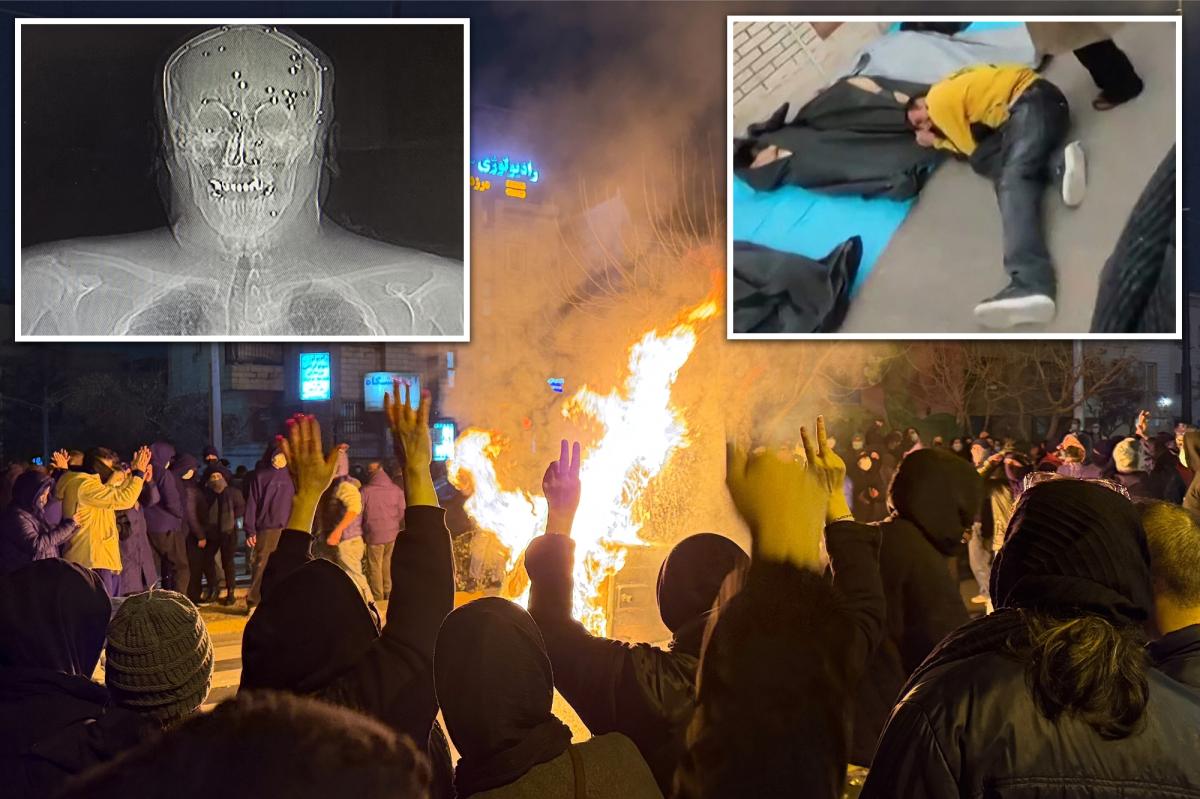
Full Extent of Horror Within Iranian Hospitals Revealed After Regime's Brutal Crackdown on Protesters
• From trending topic: Full extent of horror within Iranian hospitals revealed after regime's brutal crackdown on protesters
Summary
The trending topic "Full extent of horror within Iranian hospitals revealed after regime's brutal crackdown on protesters" has exploded on X (formerly Twitter) today, driven by viral posts garnering over 123 likes and sparking intense discussions. At the center is a fresh eyewitness account detailing plainclothes agents storming hospital emergency wards, armed with AK-47s slung over their shoulders, as they threaten medical staff and injured patients admitted for treatment. This revelation coincides with ongoing reports of the Iranian regime's escalated crackdown on anti-government protesters, where security forces are accused of targeting demonstrators even in medical facilities meant to provide sanctuary. The specific trigger for today's surge in attention is this graphic description shared widely online—"You had plainclothes agents bursting into the hospital, into the emergency ward with AK-47s on their shoulders, threatening staff and admitted patients…"—which has amplified calls for international scrutiny amid reports of hospitals being weaponized in the suppression of dissent. This comes as protests intensify following recent economic hardships and demands for reform, with hospitals overwhelmed by casualties and now sites of intimidation, fueling global outrage and trending conversations about the regime's tactics.
Common Perspectives
Regime Overreach Demands Global Intervention
Many users view the hospital incursions as a blatant violation of medical neutrality, arguing that armed agents terrorizing doctors and patients signals the regime's desperation and calls for immediate UN investigations or sanctions to protect civilians and healthcare workers.
Protester Provocation Justifies Security Measures
Some commenters frame the agents' presence as a necessary response to protesters allegedly using hospitals as hideouts or organizing points, suggesting that without such interventions, chaos would spread further and endanger public safety.
Media Amplification of Unverified Claims
A segment of opinions questions the timing and sourcing of these accounts, positing that social media hype around dramatic descriptions like AK-47-wielding agents in ERs serves activist agendas more than factual reporting, urging caution against unconfirmed narratives.
Symbol of Broader Authoritarian Collapse
Observers see this as emblematic of the regime's crumbling control, where invading hospitals underscores a loss of legitimacy and predicts an impending uprising, with the trend reflecting widespread anticipation of regime change.
Humanitarian Crisis Ignored by the West
Critics highlight how Western governments' silence on these hospital horrors prioritizes geopolitical deals over human rights, viewing the trend as a grassroots push to force accountability on global powers complicit in overlooking Iran's internal brutality.
A Different View
While much focus remains on the agents' weapons and threats, a less-discussed angle is the psychological toll on hospital staff as unwilling frontline witnesses—forcing doctors into a dual role of healers and silent resisters. This could quietly radicalize Iran's medical community, potentially birthing a network of insider whistleblowers using encrypted channels to document abuses in real-time, transforming hospitals from targets into underground hubs of opposition intelligence that outmaneuver the regime's surveillance.
Conclusion
As X buzz around these hospital horrors intensifies, the clash of perspectives underscores a pivotal moment in Iran's unrest: a regime cornered by its own tactics, protesters emboldened by exposure, and a world watching to see if viral outrage translates into action. The full story continues to unfold, with hospitals at the harrowing epicenter.
Sources and discussion
These public posts were collected while researching this story. They provide context and reactions, but may not independently verify every claim.
View the original topic on XNew York Post
@nypost
Full extent of horror within Iranian hospitals revealed after regime's brutal crackdown on protesters
Feb 27, 2026123 likes71 repostsNahBabyNah
@NahBabyNahNah
Full extent of horror within Iranian hospitals revealed after regime’s brutal crackdown on protesters “You had plainclothes agents bursting into the hospital, into the emergency ward with AK-47s on their shoulders, threatening staff and admitted patients…
Feb 27, 20264 likes3 reposts