

ESA Confirms FLEX and Sentinel-3C Healthy in Orbit After Vega-C Launch
• From trending topic: ESA Launches FLEX and Sentinel-3C Satellites on Vega-C Rocket
Summary
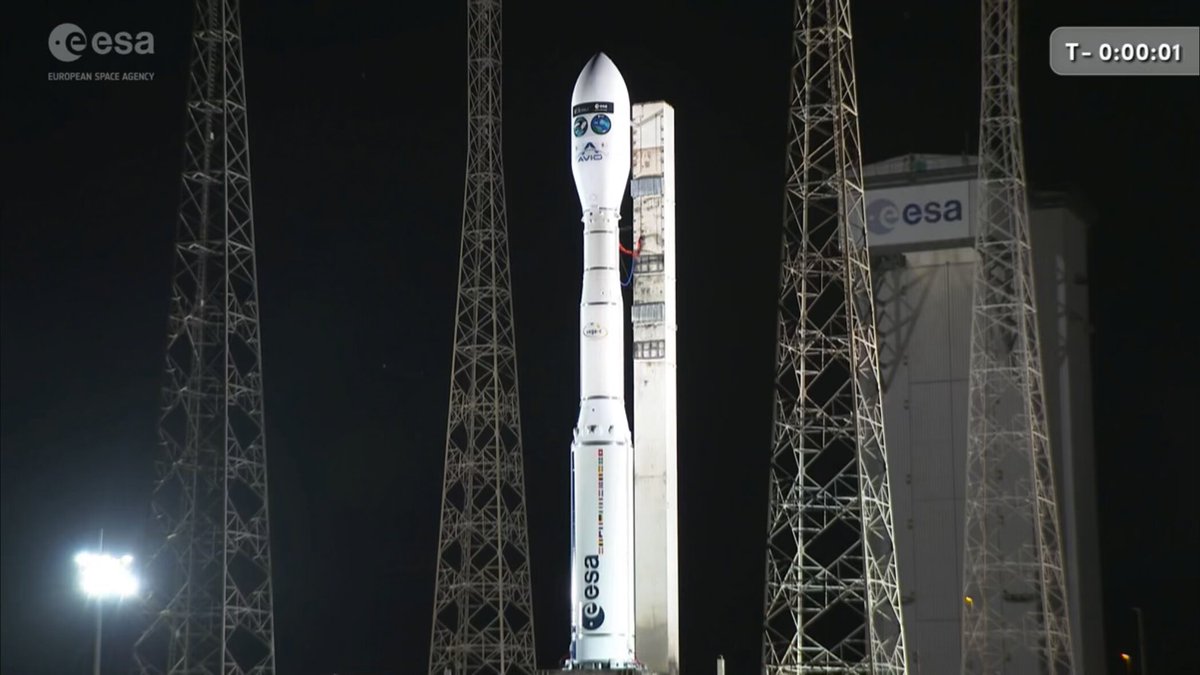
The European Space Agency (ESA) says FLEX and Sentinel-3C are in orbit and healthy after launching together on Vega-C flight VV30. ESA and launch-reporting outlet NASASpaceflight both reported liftoff, while ESA subsequently confirmed that signals had been acquired and commissioning was beginning.
ESA says the Earth-observation satellites will advance understanding of vegetation and support continued ocean monitoring. Its operations account also confirmed that both spacecraft were healthy. These updates establish launch and initial status, not completed commissioning or validated scientific results. The following perspectives examine the mission's next steps rather than report reactions from unnamed scientists or spending critics.
Common Perspectives
A successful launch is a necessary milestone
Both payloads reaching orbit is the immediate achievement supported by the reports. It allows the teams to begin the next phase of work. That result should be distinguished from later claims about instrument performance or scientific output.
Commissioning determines readiness
ESA explicitly says commissioning is beginning. Assessing readiness will therefore require further mission updates, rather than treating the initial healthy status as a declaration that all planned services are available. The retained posts give no firm completion date.
Judge the missions by the observations they deliver
Vegetation research and ocean monitoring are the purposes ESA identifies. The quality, availability and usefulness of resulting observations will provide a different measure of success from launch performance. Those benefits are prospective at this stage.
A Different View
A dual-spacecraft launch creates one shared public milestone, but the two missions still need to be assessed on their own progress. Tracking each satellite through commissioning avoids allowing a successful flight to stand in for evidence about both instruments and their eventual data.
Conclusion
The next meaningful evidence will come from commissioning updates and the observations the missions make available.
Sources and discussion
These public posts were collected while researching this story. They provide context and reactions, but may not independently verify every claim.
View the original topic on XEuropean Space Agency
@esa
Liftoff! 🚀 FLEX and Sentinel-3C are on their way. Vega-C #VV30 has departed Europe’s Spaceport carrying the two Earth observation satellites into orbit.
Sep 15, 20261K likes189 repostsESA Operations
@esaoperations
🎉 🎉@esa’s #FLEX and @CopernicusEU's #Sentinel-3C are in space and healthy: we don’t just have one mission, we have two! 🚀🛰️🛰️ 👏Congratulations to the engineers, operators, flight dynamics experts, ground station teams and partners who made this remarkable dual-spacecraft
Sep 15, 202679 likes14 repostsNSF - NASASpaceflight.com
@NASASpaceflight
LAUNCH! Vega C lifts off with Sentinel-3C and FLEX. Live:
Sep 15, 2026294 likes29 repostsEuropean Space Agency
@esa
✅ Signals acquired. FLEX and Sentinel-3C are in orbit and healthy. Following launch on Vega-C, the two Earth observation satellites now begin commissioning. Together, they will advance our understanding of Earth's vegetation and support the continued monitoring of our oceans,
Sep 15, 2026786 likes144 reposts