

🚨 Bluetooth Scanners Hunt for Nancy Guthrie's Pacemaker Signal in Desperate Missing Person Search
• From trending topic: 🚨BREAKING: Bluetooth scanners detecting pacemaker signal in search for Nancy Guthrie
Summary
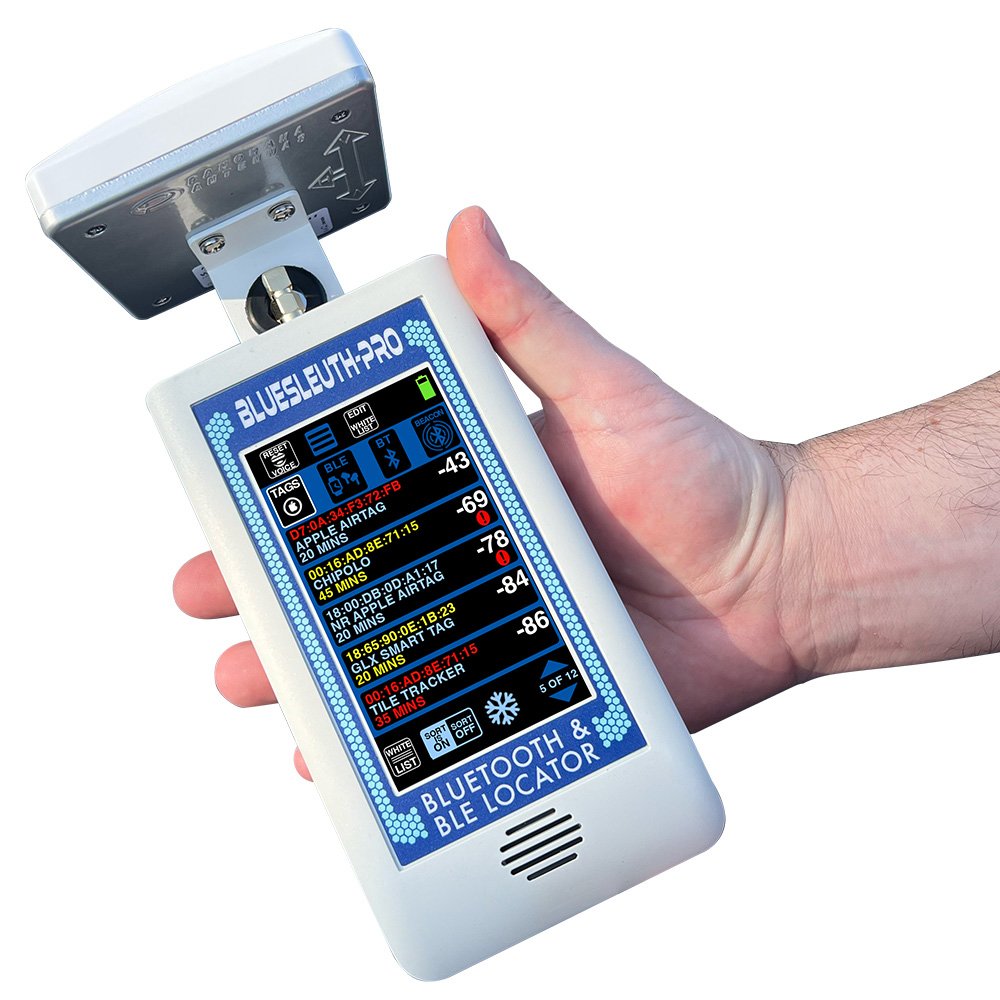
Emergency services and volunteers in the UK are currently deploying Bluetooth scanners to detect the unique signal from Nancy Guthrie's pacemaker as part of an urgent search operation for the missing 72-year-old woman from Scotland. This unconventional tactic surged into trending status today following a public appeal from authorities and widespread sharing on social media platforms like X and TikTok, where videos of the scanning equipment in action have amassed millions of views. The specific trigger was a breaking announcement from Police Scotland yesterday evening, revealing that Guthrie's implanted cardiac device emits a detectable Bluetooth low-energy (BLE) signal, prompting immediate deployment of modified scanners across rugged terrain in the Scottish Highlands where she was last seen hiking three days ago. Key details include the involvement of medical device experts collaborating with rescue teams, real-time signal triangulation efforts, and public warnings to keep Bluetooth devices active in the search zone to avoid interference. This tech-driven approach has captivated online audiences amid growing concerns for Guthrie's safety in harsh weather conditions, fueling a national conversation on innovative search methods.
Common Perspectives
Innovative Tech Saving Lives
Many online users and tech enthusiasts praise the use of Bluetooth scanners as a groundbreaking fusion of medical tech and emergency response, arguing it could set a precedent for faster recoveries in remote areas by leveraging everyday device signals without invasive measures.
Privacy Concerns in Public Searches
Critics highlight potential risks to personal privacy, noting that scanning for pacemaker signals in public spaces could inadvertently capture data from other individuals' devices, raising questions about consent and data handling during large-scale operations.
Hope for Vulnerable Elderly Hikers
Family advocates and seniors' groups view this as a vital step forward for protecting older adventurers, emphasizing how pacemaker signals offer a lifeline for those with heart conditions who venture into wilderness areas, potentially inspiring similar protocols worldwide.
Overreliance on Gadgets Over Traditional Methods
Some responders and outdoor experts express skepticism about depending on Bluetooth tech in signal-unreliable environments like mountains, suggesting it supplements—but shouldn't replace—proven tactics like dog teams and helicopters amid battery life and interference challenges.
Community Power in Crowdsourced Detection
Social media participants celebrate the trend's viral momentum, seeing public involvement via apps that relay potential signals as a triumph of collective action, where everyday people with smartphones contribute to real-time mapping of the search grid.
A Different View
While the focus remains on the pacemaker's signal as a rescue beacon, few have considered its role in unraveling Guthrie's final movements through passive data logs stored in the device—potentially revealing not just her location but patterns like heart rate spikes or activity levels that could indicate an unnoticed medical event or environmental hazard, turning the implant into a silent witness for future prevention strategies in high-risk outdoor pursuits.
Conclusion
The Bluetooth scanner search for Nancy Guthrie exemplifies how medical technology is colliding with crisis response in real-time, sparking debate, innovation, and nationwide solidarity. As the operation intensifies, its outcome could redefine how we track and protect the vulnerable in an increasingly connected world.
Sources and discussion
These public posts were collected while researching this story. They provide context and reactions, but may not independently verify every claim.
View the original topic on X