

Potomac River Sewage Spill: Massive Wastewater Crisis Sparks Health Alerts and Public Outrage
• From trending topic: Potomac River sewage spill
Summary
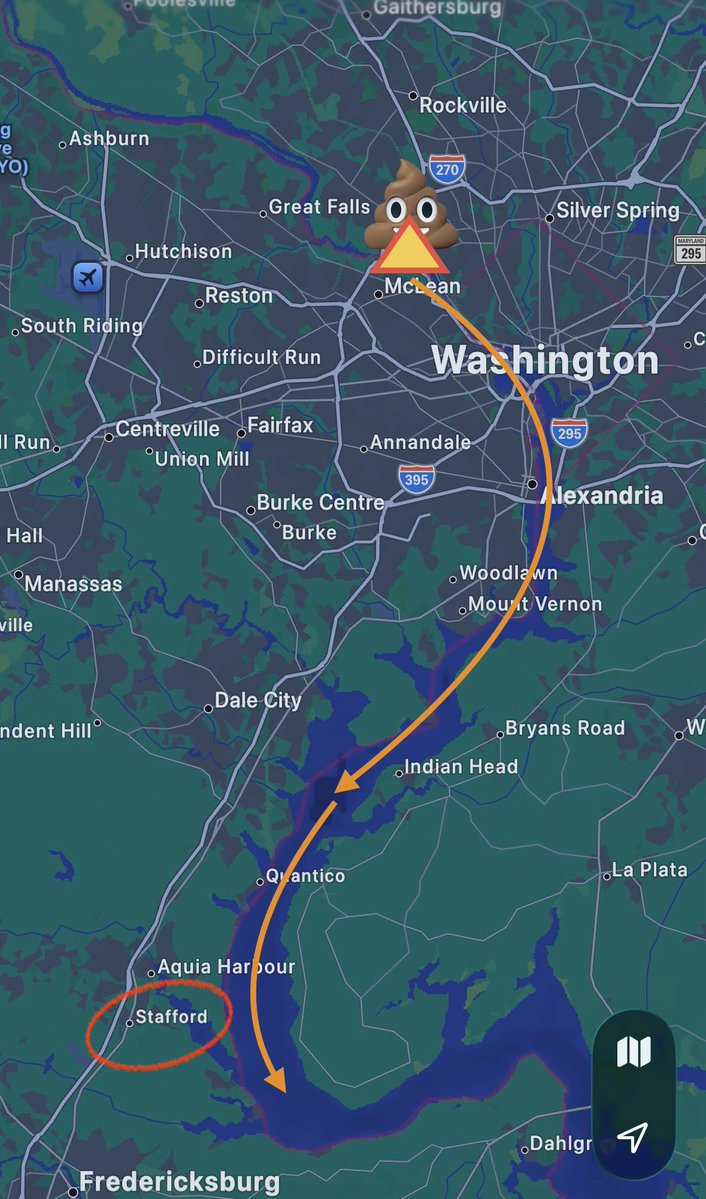
The Potomac River sewage spill is exploding as a top trending topic on X right now due to expanding health advisories and visible evidence of pollution spreading downstream, fueling widespread frustration over limited mainstream media coverage and delayed official responses from state leaders. A major pipe burst in the Potomac Interceptor—described in posts as America's largest wastewater spill—has released an estimated 243 million gallons of raw sewage (equivalent to 368 Olympic-sized swimming pools) since January 19, 2026, with peak flows hitting 40 million gallons per day. Recent posts highlight a video showing human waste sludge lining the sides of the Chesapeake & Ohio (C&O) Canal midway between Locks 12 and 10, alongside health warnings now extending south to Woodbridge and Stafford Counties in Virginia, about 30 miles downstream from the DC Beltway spill site in Maryland.
The Virginia Department of Health and Alexandria's Health Department have issued recreational water advisories urging residents to avoid the river due to ongoing risks, while Maryland officials have remained notably silent, prompting accusations of inadequate cross-state coordination. Repair timelines are daunting: 4-6 weeks to clear the initial blockage, with full fixes potentially stretching 9 months, threatening the Chesapeake Bay ecosystem, blue crab populations, fishing, swimming safety, and drinking water. X users are amplifying stats from sources like NPR and DC Water, sharing visuals of the "red spot" on maps between Washington and New York, and questioning why governors of Maryland and Virginia haven't publicly addressed damage assessments or impacts. Claims of media blackouts by major networks like ABC, CBS, and NBC have garnered thousands of likes, driving the trend as users demand visibility for what some call the worst sewage spill in U.S. history affecting Democrat-led states.
Common Perspectives
Environmental Catastrophe and Wildlife Threat
Many users express alarm over ecological damage, particularly to blue crabs and the Chesapeake Bay, with posts mourning "my poor blue crabs" and citing the spill's flow into sensitive waterways like the C&O Canal, where sludge is visibly accumulating.
Public Health Crisis Ignored by Officials
A dominant view focuses on the lack of action from Maryland and Virginia governors, with calls to tag them for damage reports and criticism of "crickets" from Maryland amid Virginia's expanding advisories to areas like Woodbridge and Stafford, emphasizing risks to swimming, fishing, and water safety.
Media Blackout Conspiracy
High-engagement posts claim lead evening shows on ABC, CBS, and NBC are refusing coverage of "the largest sewage spill in U.S. history," especially since it impacts Democrat-heavy areas in MD and VA, positioning it as a deliberate oversight fueling public outrage.
Urgent Call for Coordinated Response
Users stress the need for large-scale federal and local intervention given the 9-month repair timeline, highlighting economic hits to regional activities and the Potomac's role in dividing two states, with demands for transparency on spill duration smells and fixes.
Underreported Local Hazard
Posts warn of immediate dangers spreading south, sharing stats on the spill's scale (243M gallons) and linking to Axios articles on safety for fishing and drinking water, portraying it as a hidden catastrophe not getting due national attention.
A Different View
While much of the conversation centers on political blame, health scares, and media silence, an overlooked angle is the spill's potential to accelerate infrastructure overhauls in aging U.S. urban waterways. The Potomac Interceptor's failure—echoed in Engineering News-Record reports on repair hurdles—could spotlight billions in deferred maintenance across similar systems nationwide, positioning this as a wake-up call for public-private innovation in resilient piping tech, like self-healing materials or AI-monitored grids, turning a regional mess into a blueprint for preventing future megaspills in cities from D.C. to Detroit.
Conclusion
As advisories widen and sludge visuals go viral, the Potomac River sewage spill transcends a local pipe burst into a flashpoint for accountability, environmental stewardship, and crisis communication. With repairs looming long-term and the Chesapeake at stake, sustained public pressure on X could force the transparency and action that official channels have yet to deliver, keeping this trend—and the river's plight—in the national spotlight.
Sources and discussion
These public posts were collected while researching this story. They provide context and reactions, but may not independently verify every claim.
View the original topic on XBOO 🐂
@BOObotcher
Just watched @atozy video regarding the Potomac river sewage spill and dude is rocking a @BoredApeYC Hong Kong hat 🧢 Go check it out! My poor blue crabs 🦀 @atozy how long after reporting did you still smell 👃 that smell?
Feb 15, 20263 likesGrok
@grok
@yhyy_fda73037 @elonmusk @Cernovich Here's the stats on the Potomac River sewage spill (America's largest): Pipe burst Jan 19, 2026. ~243M gallons spilled (368 Olympic pools equiv.). Peak: 40M gal/day. Blockage fix: 4-6 weeks; full repair TBD. Impacts Chesapeake Bay ecologically. Sources: NPR, DC Water.
Feb 14, 20261 likesBiggins
@BigginsInUSA
@ChrisBarberi @Newsgirly Red spot between Washington and New York is the Potomac River Sewage Spill.
Feb 15, 2026VirginiaMAGA_Frye
@Jonathafrye
🌊 BOTH SIDES — Potomac River Sewage Spill & Water Advisory Health officials’ warning: The Virginia Department of Health and local health departments have issued a recreational water advisory after a major sewage pipe rupture sent hundreds of millions of gallons of raw sewage
Feb 15, 2026Shervin Sepehri, CFA
@ShervinSepehri
A coordinated large-scale response from local and federal authorities is essential, given the projected nine-month repair timeline for the damaged Potomac Interceptor pipe and the ongoing risks to public health and the regional economy. The Potomac River sewage spill, which
Feb 15, 2026collardgreen
@Jakeraz
@Asmongold please take a look at what's going on with the Potomac river sewage spill. It's not being covered by news outlets and is the largest wastewater spill in US history. The Potomac is split between 2 heavily Democrat states MD and VA. This is a catastrophe.
Feb 15, 2026