

Angélique Kidjo Receives Hollywood Walk of Fame Star as First Black African Artist
• From trending topic: Angélique Kidjo Becomes First African Artist with Hollywood Walk of Fame Star
Summary
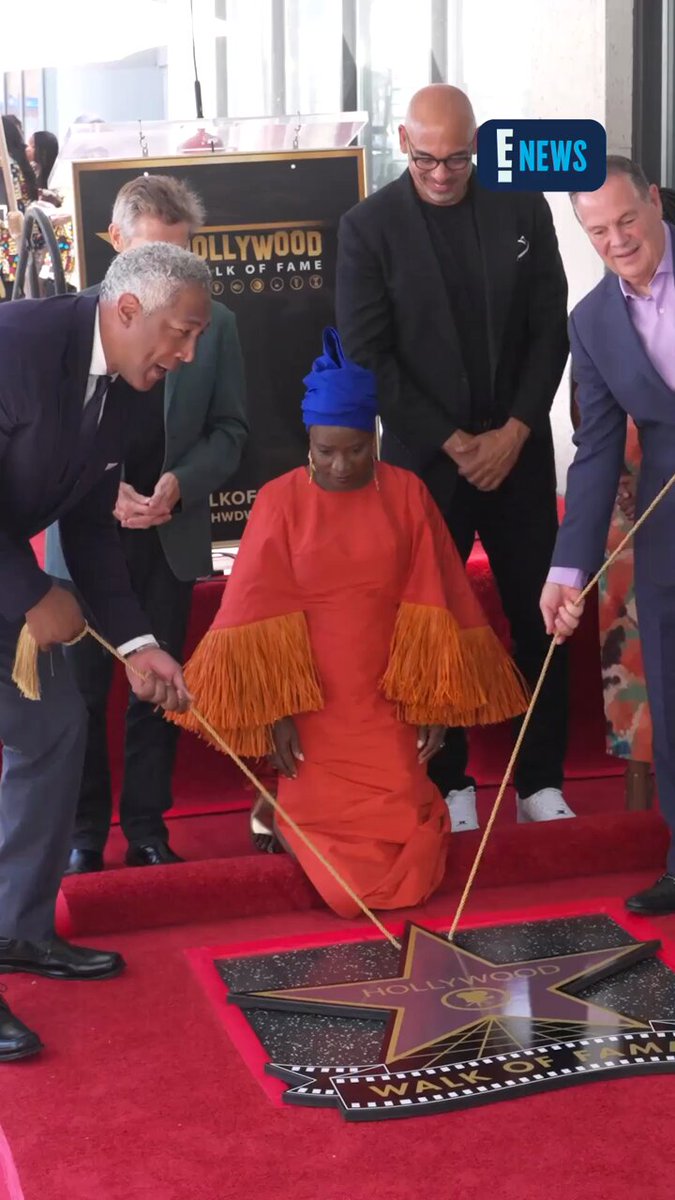
Angélique Kidjo received the 2,854th star on the Hollywood Walk of Fame on 18 August 2026, in the Recording category. Reporting on the ceremony identifies her as the first Black African artist to be honored this way. Circulating clips and posts from the event show Kidjo delivering remarks that included the line “We Africans just don’t know what we’ve given to the world, and what we continue giving to the world for the music to exist. Without us, there’s no.” The quotation appears incomplete in the versions being shared. Other widely viewed posts describe her becoming tearful during the ceremony. Social-media accounts have alternately called the honor the first for an African artist and the first for a Black African artist; the more precise phrasing matches the clustered reporting. The story has drawn strong engagement around both the institutional milestone and the personal tone of the remarks.
Common Perspectives
Overdue credit for African musical foundations
Many people sharing the speech, particularly those highlighting African or diaspora pride, treat the star as public confirmation that global popular music rests on African sources. The view appeals because it recasts a Hollywood ritual as partial repayment of a long cultural debt. It assumes an American sidewalk plaque is a meaningful form of accounting; the trade-off is that it measures African influence by the pace of Western institutional recognition rather than by the music itself.
A hard-won personal landmark
Others, including fans circulating images of Kidjo in tears, read the day primarily as the culmination of one artist’s career. The emotion and the unfinished sentence about African gifts make the honor feel intimate rather than ceremonial. This framing is attractive to anyone who follows individual trajectories more than category “firsts.” It risks shrinking a structural observation (Africa’s outsized role in music) into a single performer’s biopic moment.
Precision about who counts as “first”
A smaller set of posts and comments dwell on the difference between “first African artist” and “first Black African artist.” Those who insist on the qualifier tend to be readers attentive to earlier South African or North African names that may already appear on the Walk, or to how race and geography are tallied in Hollywood tallies. The appeal is historical accuracy. The assumption is that the distinction itself is consequential; the uncertainty is whether any prior African honorees exist and how the Chamber of Commerce actually classifies them.
Living proof that the contribution continues
Some reactions linger less on the star than on Kidjo’s claim that Africans “continue giving.” Holders of this view, often musicians or cultural commentators, use the ceremony to argue that the flow of rhythm, melody, and innovation has never stopped. It resonates with people who want the story to look forward rather than backward. The trade-off is that celebrating continuity can soften questions about why formal recognition arrived so late and on whose terms.
A Different View
The posts that have traveled farthest dwell on the tears and the historic label. What they underplay is the first half of the circulating sentence: the suggestion that Africans themselves have not fully registered the scale of what they have already given. If that fragment is representative, the more interesting tension is not Hollywood’s delay but a possible gap in self-knowledge or self-valuation inside the continent and its diaspora. External plaques then become secondary; the neglected question is how African music industries, schools, and audiences narrate their own centrality when the world’s most famous sidewalk finally notices.
Conclusion
The full, untruncated remarks and any official Chamber of Commerce language on prior African honorees would settle both the quotation and the “first” claim. Those details, more than additional celebration posts, will show whether the day is remembered as validation from outside or as a prompt for a different conversation at home.
Sources and discussion
These public posts were collected while researching this story. They provide context and reactions, but may not independently verify every claim.
View the original topic on XVariety
@Variety
Angélique Kidjo delivers a speech as she becomes the first Black African artist to receive a star on the Hollywood Walk of Fame: “We Africans just don’t know what we’ve given to the world, and what we continue giving to the world for the music to exist. Without us, there’s no
Aug 18, 20261.2K likes379 repostsVariety
@Variety
Angélique Kidjo cries as she becomes the first Black African artist to receive a star on the Hollywood Walk of Fame.
Aug 18, 20267.6K likes1.7K repostsE! News
@enews
Angélique Kidjo has officially made history as the first African artist to receive a star on the Hollywood Walk of Fame.
Aug 19, 202611.7K likes2.6K repostsAfrica Facts Zone
@AfricaFactsZone
Angelique Kidjo has become the first African Artist to be honoured with a star on the Hollywood Walk of Fame.
Aug 18, 20265.2K likes781 reposts