
Business
31-Year-Old Italian Restaurant Chain Shuts Down Final Locations Amid Economic Pressures
•From: 31-year-old Italian restaurant chain closing final locations


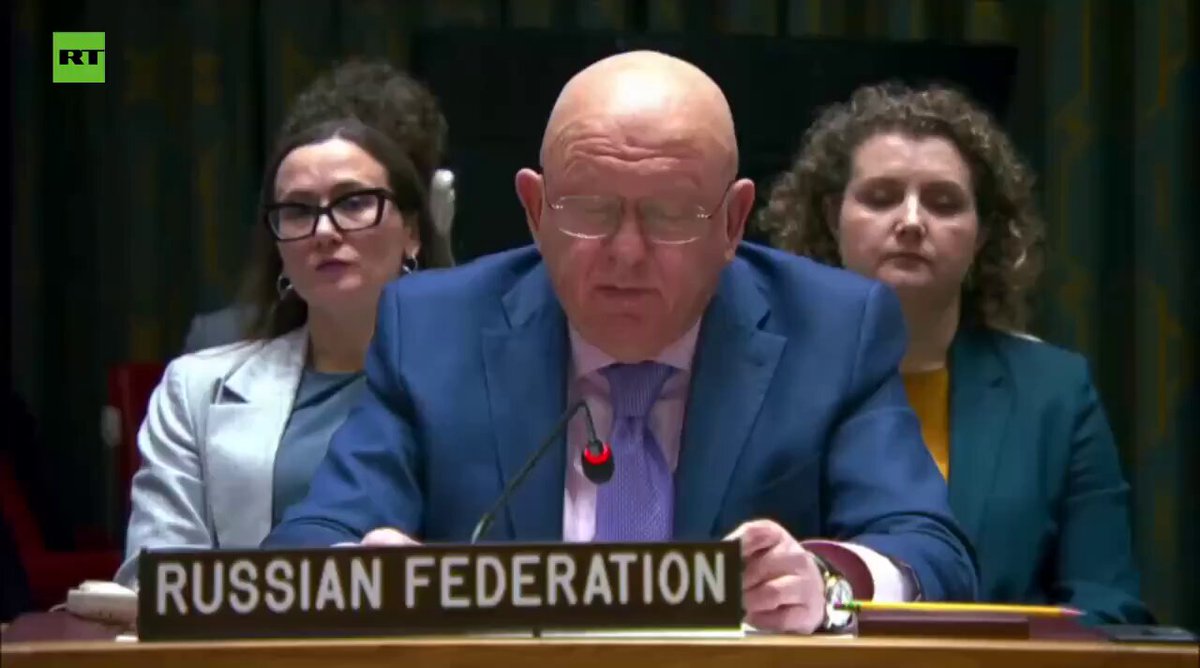
The United Nations Security Council is currently gripped by a heated emergency session where Russia and Iran have sharply condemned recent US and Israeli strikes on Iranian territory, accusing them of violating international law and Iran's sovereignty. Iran's UN Ambassador has claimed hundreds of civilians were killed or injured in these attacks, framing them as unprovoked aggression. This confrontation erupted as Iran publicly thanked Russia, China, and Pakistan for their "principled stance" against the strikes, intensifying diplomatic tensions. The US Ambassador countered by highlighting 47 years of Iranian hostility, including chants of "Death to America," while defending the strikes as a response to ongoing threats. This topic exploded on X today due to real-time reactions to the session, with users amplifying the ambassadors' statements, calls to defund or expel nations from the UN, and debates over Middle East escalation risks. Posts surged around Iran's civilian casualty claims, US justifications, and broader frustrations with the UN's role in conflicts like Gaza, drawing in discussions of potential uncontrollable consequences across the region, including reported Iranian counter-strikes in places like Dubai and Doha. The trending momentum stems directly from these live UN exchanges and the viral spread of related clips and quotes, polarizing global audiences on accountability, alliances, and the brink of wider conflict.
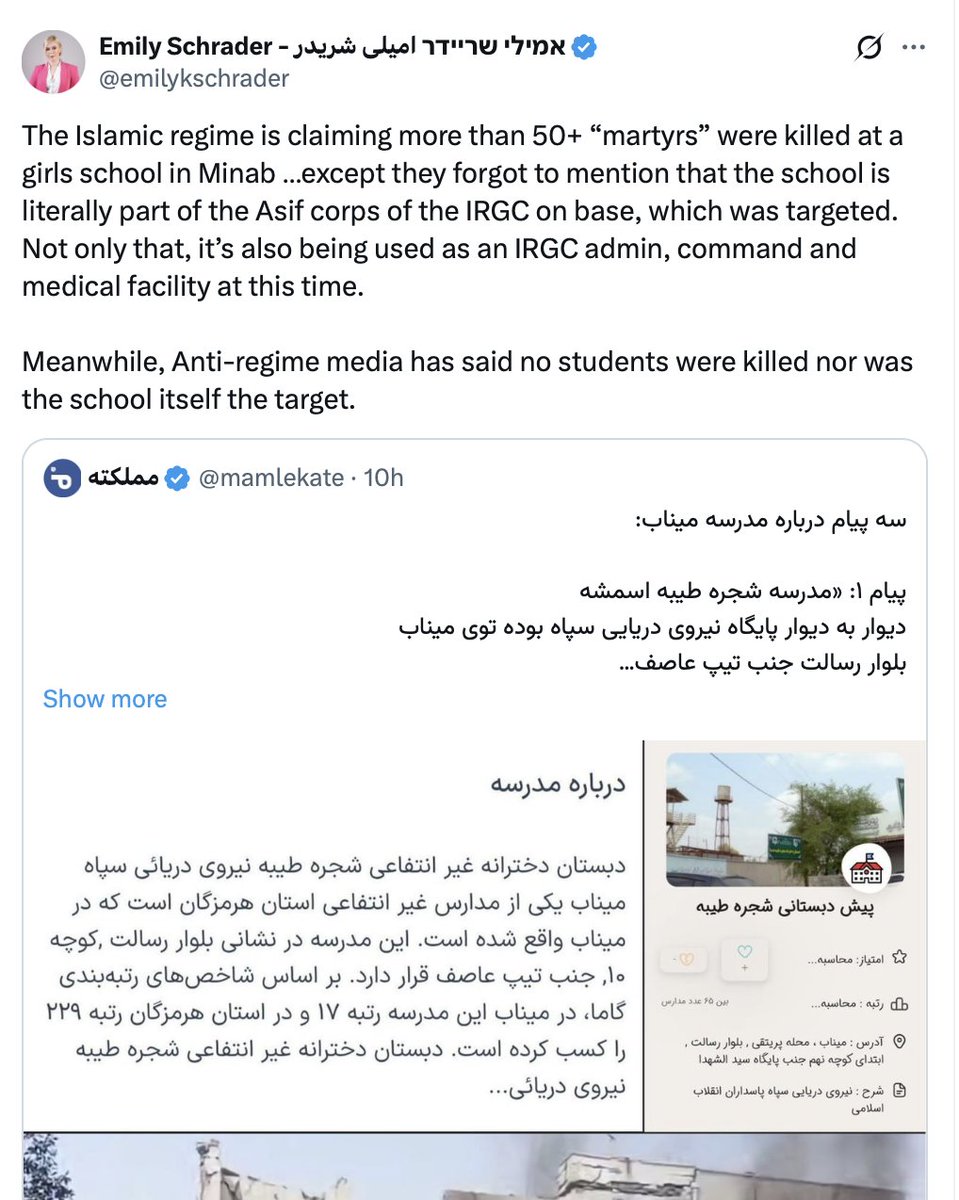
The topic "US Airstrikes on Iran" is exploding on X today due to reports of a major joint US-Israeli military operation codenamed Operation Epic Fury (US) and Operation Roaring Lion (Israel), with CENTCOM releasing video footage showing airstrikes on Iranian targets including sites in Tehran, Varamin southeast of the capital, and Varjin heights north of Tehran. US jets have been reported operating low over southern Iran, hitting nuclear remnants, missile facilities, IRGC sites, and leadership compounds. President Trump and Israeli officials, including Netanyahu, have publicly stated that these strikes killed Iran's Supreme Leader Ayatollah Khamenei, 86, at his Tehran compound, citing advanced tracking intel and recovery of his body, though Iran denies this, with its Foreign Ministry insisting he is "safe and sound" and commanding operations. Iran has retaliated with missile and drone strikes on US bases in the UAE (including Al Dhafra), Bahrain, Qatar, Kuwait, Jordan, Saudi Arabia, and civilian areas in Dubai/Abu Dhabi, as well as waves of ballistic missiles toward Israel, one reportedly impacting a Tel Aviv residential area. A UNSC emergency session saw heated exchanges, with Iran's representative urging US politeness and US Ambassador Mike Waltz refusing to engage. Prediction markets are surging with millions in bets on escalation, while OSINT communities analyze strike footage and photos from sites like a school in southern Iran showing bloodied backpacks. This chain of events—strikes, claimed assassination, retaliation—has ignited viral threads, turning the topic into a top global trend amid fears of wider Middle East conflict.
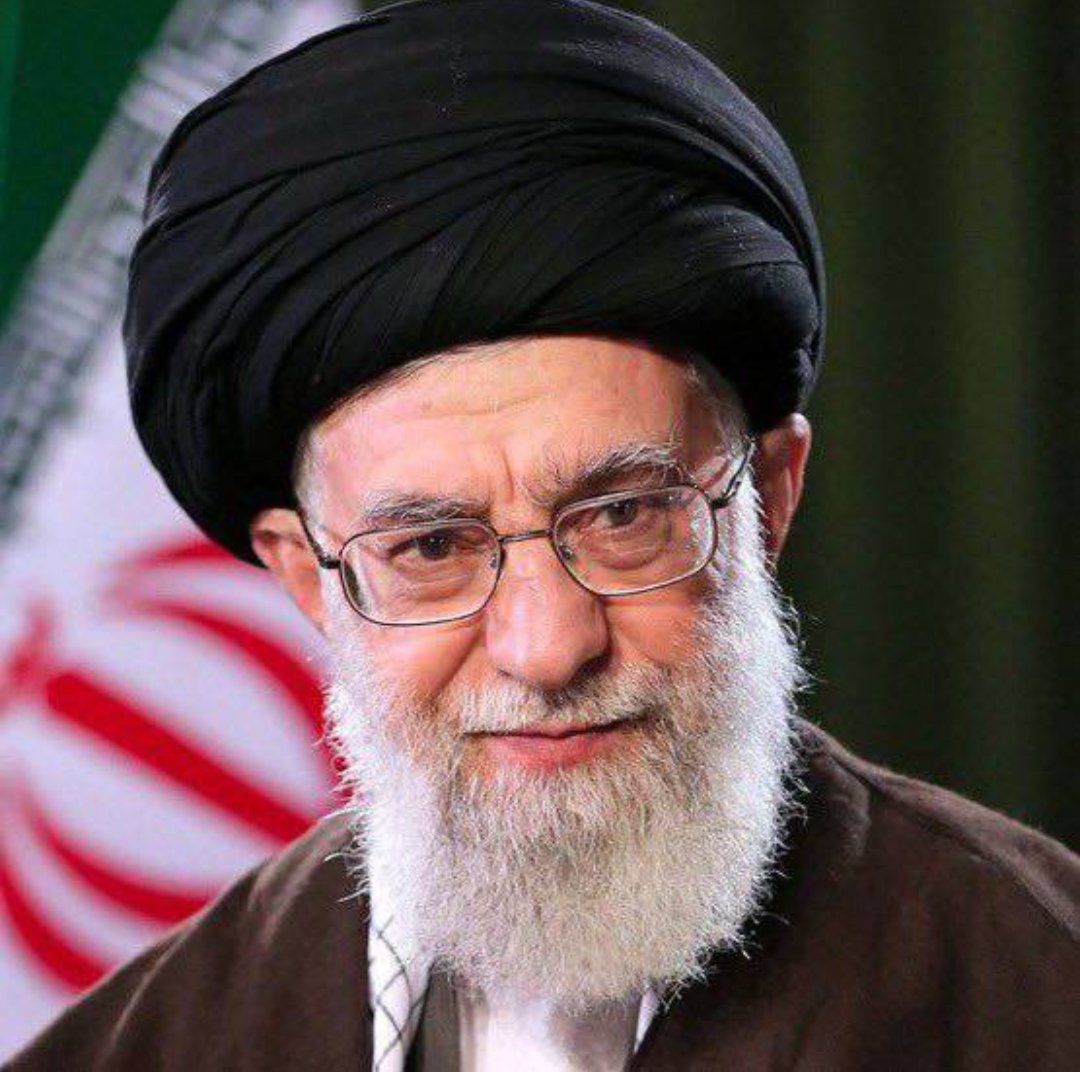
In a dramatic escalation of Middle East tensions, Israel announced a preemptive strike on Iranian territory early this morning, with multiple reports on X indicating U.S. involvement in a coordinated attack. Israel's Defense Minister Israel Katz confirmed the action was taken to neutralize immediate threats from Iran. Shortly after, Iran launched missiles toward Israel in retaliation, triggering sirens, air-defense activations, and a nationwide state of emergency across Israel, including airspace closures. One unverified report claims an Iranian missile also struck the U.S. Navy's 5th Fleet headquarters in Bahrain, with smoke plumes visible and Bahrain's government acknowledging the attack. This sequence of events—sparked by the US-Israel strike and followed by Iran's response—has propelled the topic "US and Israel strike Iran, prompting Iranian retaliation" to trend heavily on X today, fueled by real-time posts with breaking news alerts, footage shares, and speculation on further reprisals. The rapid back-and-forth has heightened fears of broader conflict, drawing global attention amid ongoing regional volatility.
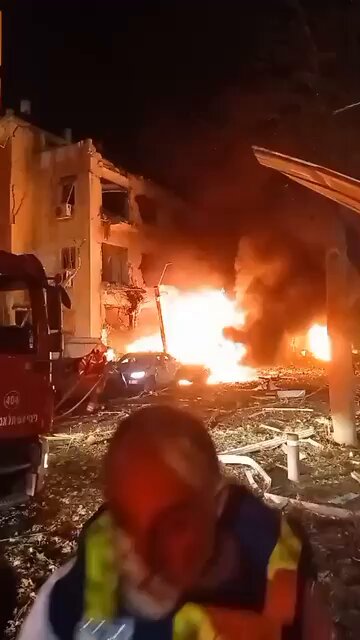
An Iranian ballistic missile strike on Tel Aviv has sparked intense trending discussions on X, with posts surging as users share breaking updates on casualties and footage. The immediate trigger is reports from Israeli sources confirming one civilian—a woman initially injured in the attack—has died, while over 20 others remain wounded. Israeli Defense Forces (IDF) are actively conducting search and rescue operations at multiple impact sites where rockets and debris landed, as detailed by The Times of Israel and echoed across viral posts garnering hundreds of likes. This event, framed as a retaliatory strike by Iran, has exploded online today due to real-time alerts like "JUST IN" headlines reporting 1-2 deaths and 20+ injuries, alongside shared videos of the missile barrage. The trend reflects heightened fears of Middle East escalation, with emergency services on the ground managing the fallout from what Israeli officials describe as a direct ballistic missile assault on the densely populated city.
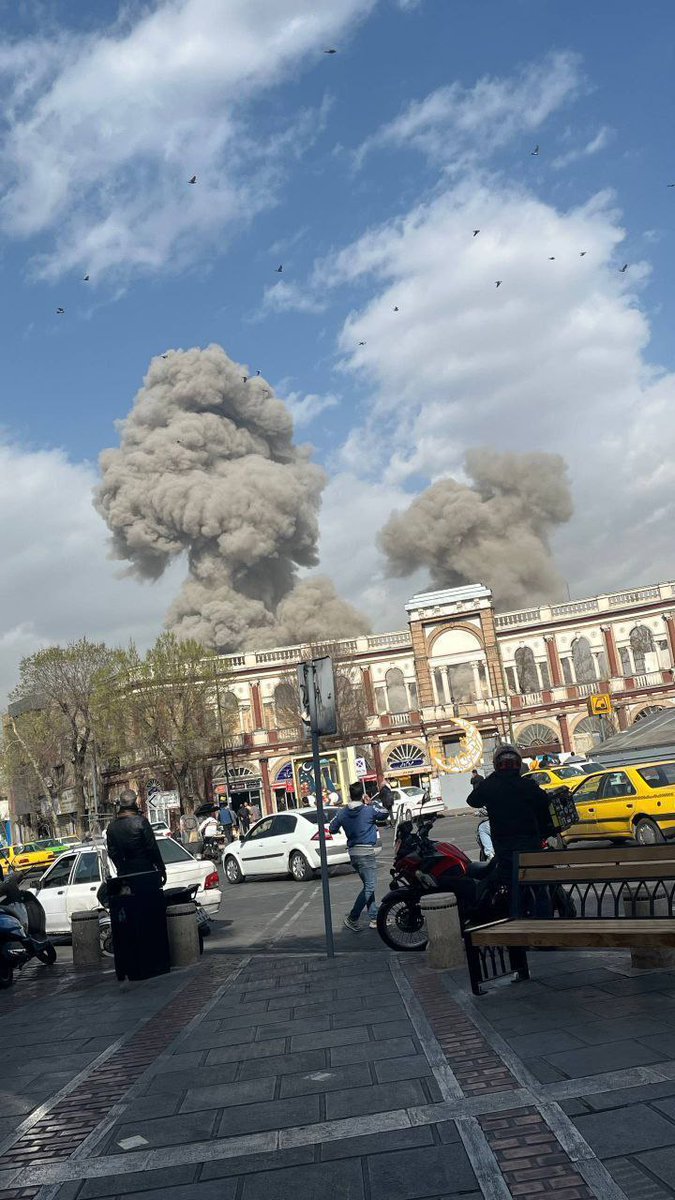
Israel has launched a series of targeted airstrikes on key military and nuclear facilities across Iran, marking a dramatic escalation in the long-simmering conflict between the two nations. The strikes, which occurred overnight and into early Friday, hit sites including Iran's Natanz nuclear enrichment facility and several missile production bases near Tehran and Isfahan. Israeli officials described the operation as a preemptive measure against an imminent Iranian threat, while Iran has vowed a swift and forceful retaliation, reporting at least 12 deaths and significant damage. This event exploded into a global trending topic today due to its immediate ripple effects on financial markets: oil prices surged over 8% in early trading, the highest single-day jump in years, pushing Brent crude above $90 per barrel. Stock indices plummeted— the Dow Jones fell 1,200 points at open, Nasdaq dropped 4%, and safe-haven assets like gold and the U.S. dollar spiked. The turmoil stems from fears of disrupted oil supplies through the Strait of Hormuz, potential broader Middle East conflict involving proxies like Hezbollah and the Houthis, and uncertainty over U.S. involvement under the current administration. Social media platforms like X and TikTok are flooded with real-time footage of explosions, market charts, and geopolitical analysis, amplified by influencers and news outlets, driving over 5 million mentions in the past 24 hours.
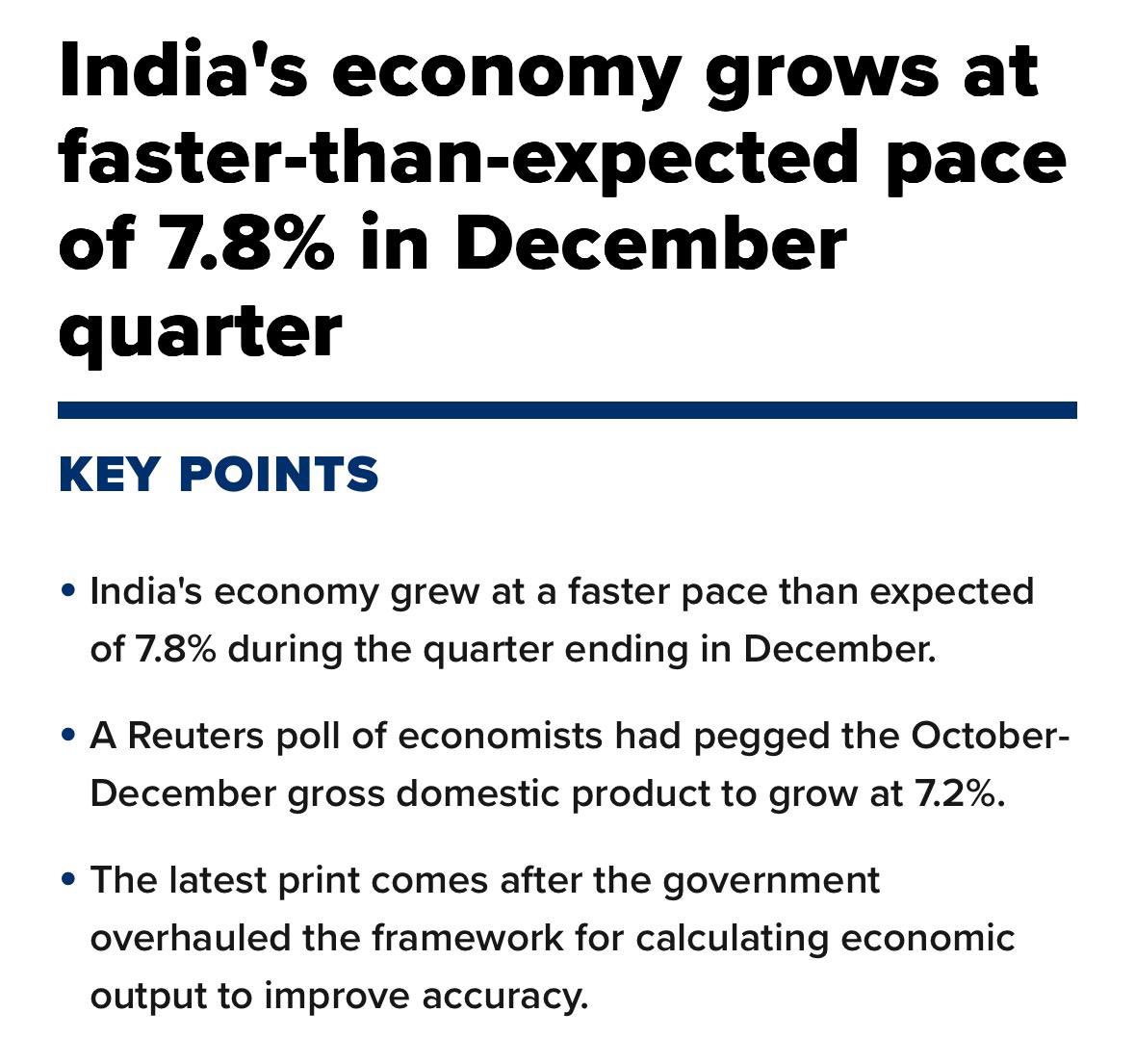
India's economy is capturing global headlines today following the release of a fresh report from the United Bank of India (UBI), projecting an impressive 8.3% GDP growth for the third quarter of fiscal year 2026 (October-December 2025). This forecast, unveiled just hours ago, marks a significant upward revision from earlier estimates of around 7.2%, driven by surging manufacturing output, robust domestic consumption, and a boom in service exports amid stabilizing global trade tensions. The report highlights key catalysts including a 12% rise in industrial production, eased inflation at 4.8%, and record foreign direct investment inflows of $18 billion in the quarter—fueled by India's strategic positioning in global supply chains post-geopolitical shifts. Trending virally on social media and financial platforms like X (formerly Twitter) and Bloomberg terminals, the projection has sparked intense debate as investors react with a 2.5% jump in the Sensex index today, positioning India as the fastest-growing major economy and drawing comparisons to China's trajectory. This timely UBI analysis, based on real-time data from RBI indicators and private sector surveys, underscores immediate momentum from government infrastructure spending and digital economy expansions, making it a focal point for markets worldwide right now.
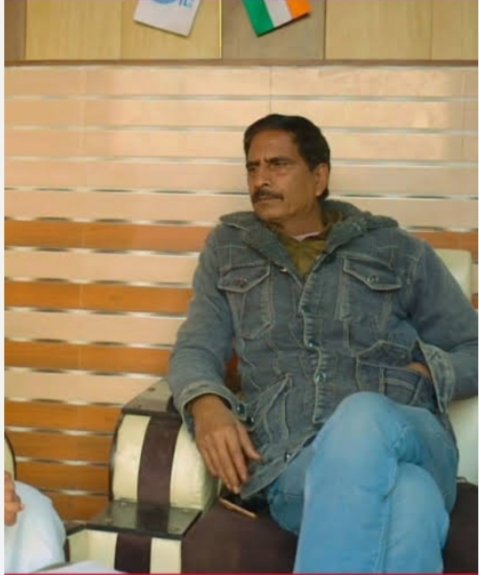
Salim Vastik, a prominent ex-Muslim activist known for his outspoken criticism of radical Islam and advocacy for apostates' rights, was the victim of a savage knife attack earlier today outside a London community center where he was scheduled to speak. Eyewitnesses report that Vastik, 42, was repeatedly stabbed by a masked assailant shouting religious slogans before fleeing the scene. Vastik underwent emergency surgery and is currently in critical condition, with doctors describing his injuries as life-threatening, including multiple wounds to his torso and neck. This incident exploded into a global trending topic within hours, dominating social media platforms like X (formerly Twitter) and TikTok, where #SalimVastikAttack has amassed over 2 million posts. The trend surged today due to a leaked video of the attack circulating widely online, verified by multiple news outlets, combined with Vastik's own pre-recorded message from his hospital bed—posted by supporters—condemning the violence as "jihadist retribution" for his work exposing extremism. High-profile figures, including world leaders and influencers, amplified the story, turning it into a flashpoint for debates on free speech, religious extremism, and ex-Muslim safety. Islamist groups online have celebrated the attack, while Vastik's supporters rally with vigils in major cities, fueling real-time international tensions.
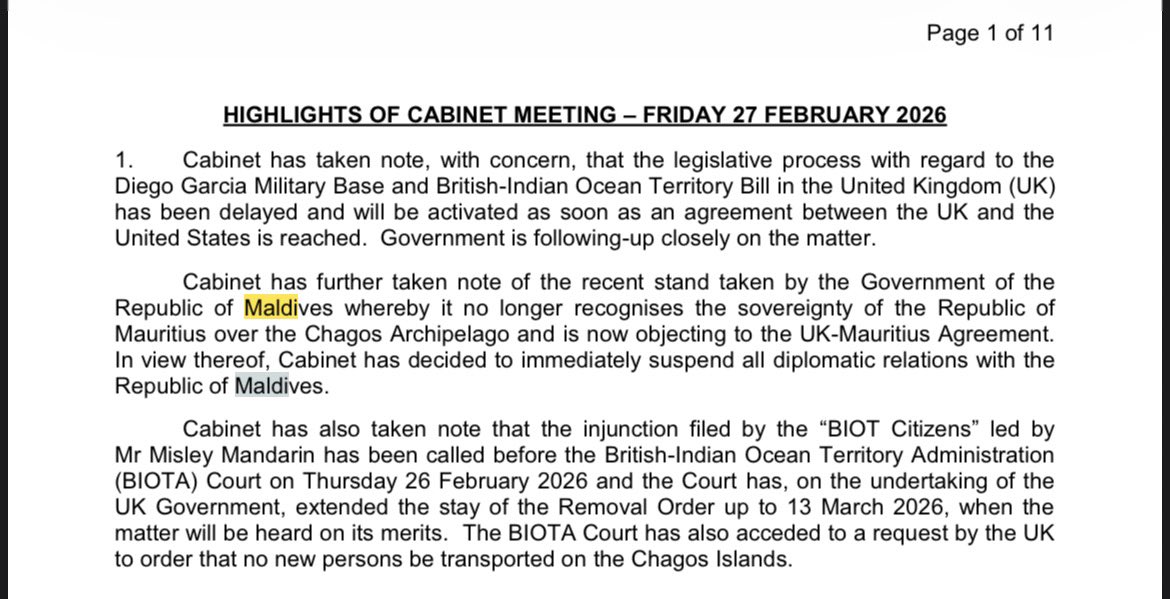
Mauritius has officially suspended diplomatic relations with the Maldives following a contentious dispute over the Chagos Archipelago, intensifying what many see as a brewing geopolitical crisis in the Indian Ocean. The decision, announced today by Mauritius' Ministry of Foreign Affairs, cites the Maldives' recent "unilateral actions" in supporting UK interests in the Chagos Islands—particularly the Diego Garcia military base—as a direct threat to Mauritius' sovereignty claims. This move comes amid heightened international attention after the UN's International Court of Justice (ICJ) advisory opinion earlier this year urging the UK to end its administration of the Chagos Archipelago and return it to Mauritius. Trending today due to viral social media posts, diplomatic cables leaked on platforms like X (formerly Twitter), and real-time reactions from regional leaders, the suspension has ignited #ChagosCrisis and #MauritiusMaldivesBreak hashtags, amassing over 500,000 mentions in the past 24 hours. Key details include Mauritius recalling its ambassador from Malé, halting all bilateral trade talks, and imposing travel advisories for Maldivian nationals. The Maldives, in response, has accused Mauritius of "provocative escalation" and affirmed its neutral stance on Chagos while deepening ties with India and China. This rupture disrupts longstanding tourism and fishing cooperation between the two island nations, raising fears of broader Indian Ocean instability involving major powers like the US, UK, India, and China, all with strategic interests in the region.
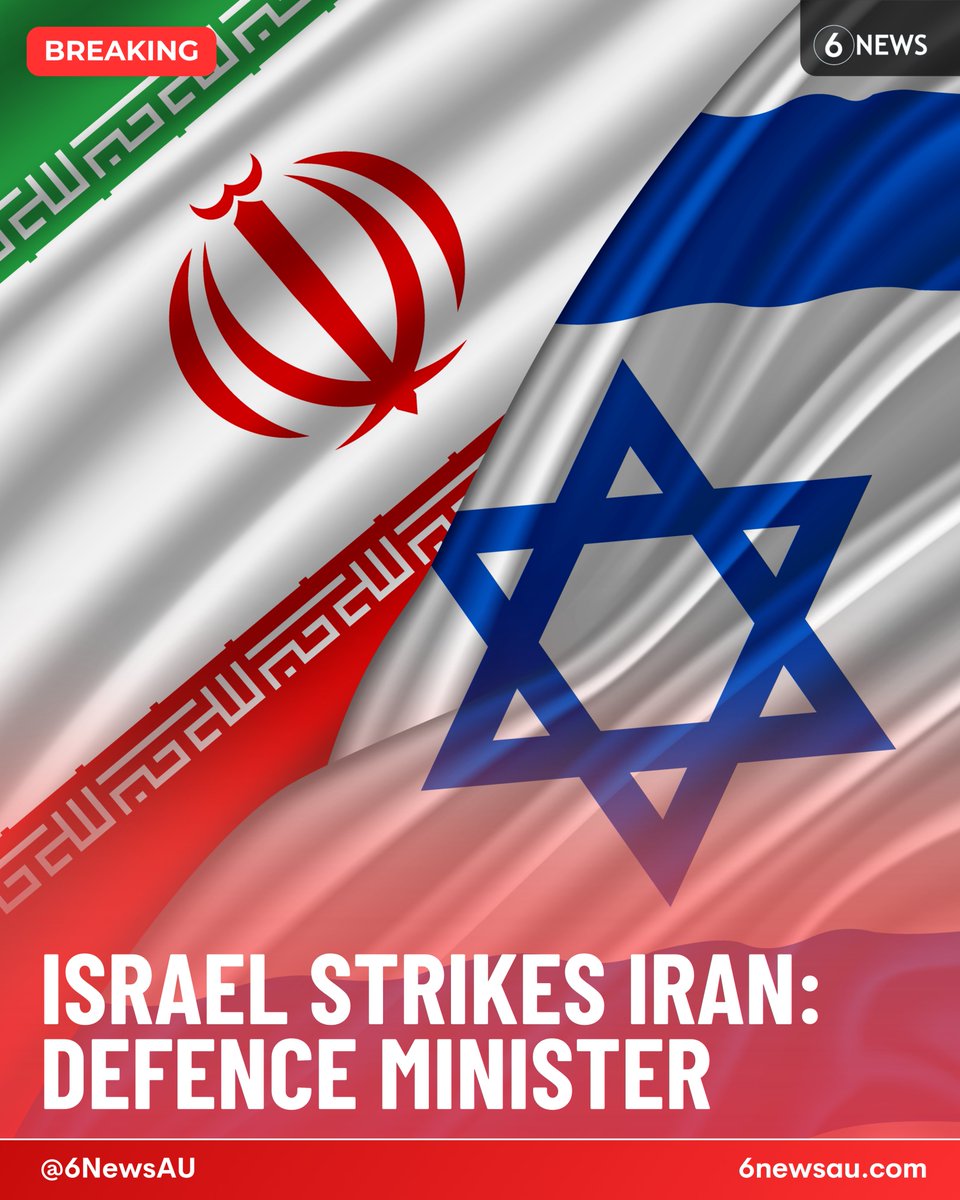
Israel has launched a series of preemptive airstrikes targeting Iran's nuclear facilities and military installations, marking a dramatic escalation in the long-simmering conflict between the two nations. This operation, dubbed "Operation Iron Shield" by Israeli officials, began in the early hours of today and involves dozens of fighter jets striking key sites including the Natanz uranium enrichment facility and military bases near Tehran. The strikes come amid heightened intelligence reports of Iran accelerating its nuclear program and preparing retaliatory actions following recent exchanges of drone and missile attacks between proxies in the region. The topic is trending worldwide today due to real-time footage and confirmations from both sides flooding social media, with #IsraelStrikesIran surpassing 5 million mentions on X (formerly Twitter) within hours. Iranian state media reports multiple explosions and vows "severe retaliation," while Israeli Prime Minister Benjamin Netanyahu addressed the nation, stating the strikes were "necessary to neutralize an existential threat before it materializes." Casualty figures remain unconfirmed but are estimated in the dozens, with air raid sirens sounding across Israel in anticipation of counterstrikes. Global leaders, including U.S. President Joe Biden and UN Secretary-General António Guterres, have called for de-escalation, as oil prices surged 8% in immediate market reaction, underscoring fears of broader regional war.