

xAI's Grok AI Finalizes mRNA Vaccine Construct for Dog's Cancer in Groundbreaking DIY Biotech Feat
• From trending topic: xAI's Grok used to finalize mRNA vaccine construct
Summary
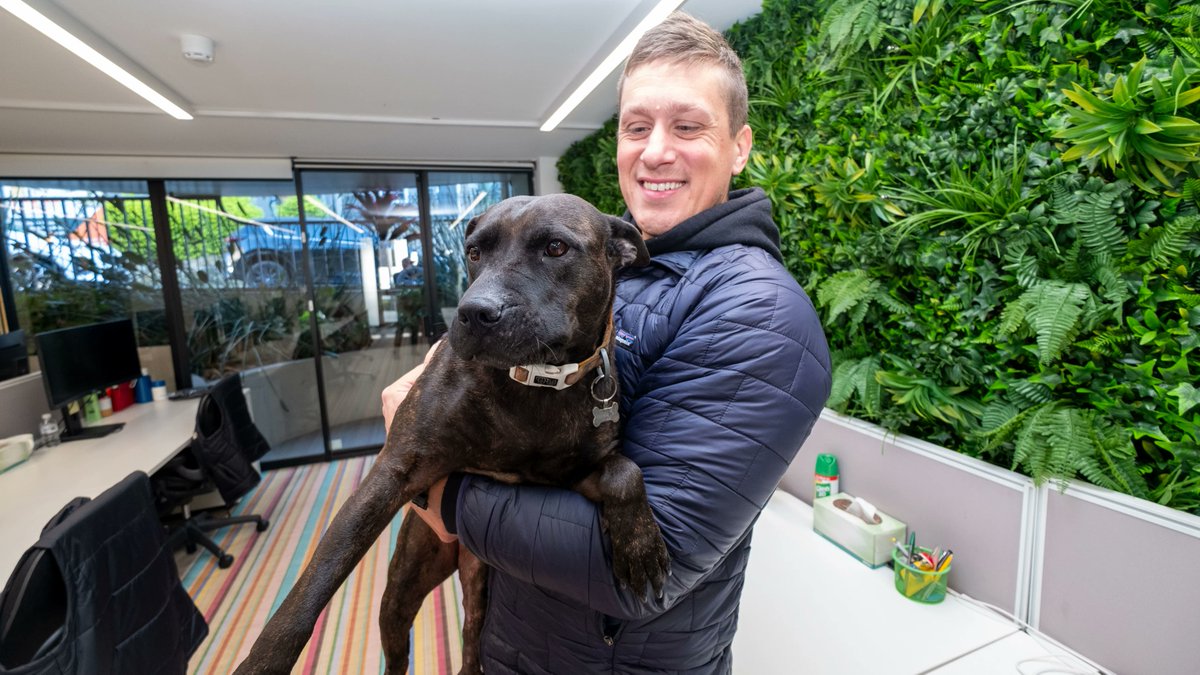
A Sydney-based tech entrepreneur and AI consultant, Paul Conyngham, has ignited massive online buzz by revealing how he leveraged xAI's Grok to finalize an mRNA vaccine construct for his dog Rosie's mast cell cancer treatment. This story exploded on X (formerly Twitter) today, with Conyngham's post detailing his multi-AI workflow—using ChatGPT for initial ideas, AlphaFold for mutation analysis, and Grok to complete the construct—racking up over 5,341 likes and thousands of shares in hours. The trend is surging right now due to the novelty of a non-expert using publicly available AI tools to design a personalized canine vaccine, spotlighting xAI's Grok as a pivotal player in accessible biotech innovation. Conyngham shared this as "xAI NEWS," emphasizing Grok's role in tying together the process, which has sparked viral discussions on AI's real-world medical applications amid growing interest in pet health and home-based therapies.
Common Perspectives
AI Democratizes Medicine
Many users celebrate this as a triumph of accessible tech, arguing that tools like Grok empower everyday innovators to tackle complex problems like pet cancer without Big Pharma gatekeepers, potentially accelerating treatments for humans too.
Ethical Concerns Over Unregulated AI Biotech
Critics highlight risks of untrained individuals deploying AI-generated medical constructs, pointing to potential safety issues for animals and the blurred lines between hobbyist experimentation and professional healthcare.
Boost for xAI and Elon Musk's Vision
Enthusiasts frame it as validation of xAI's "maximum truth-seeking" ethos, with fans praising Grok's edge over competitors and seeing it as proof of Musk's push for AI that advances practical science beyond hype.
Skepticism on Practical Outcomes
Some question the real-world viability, noting that while AI can design constructs, actual vaccine production, testing, and administration require labs and expertise Conyngham may not have fully detailed.
Pet Health Advocacy Win
Animal lovers view it as a heartfelt success story for canine cancer care, emphasizing how AI could personalize treatments for pets, where options are often limited compared to human medicine.
A Different View
While the spotlight is on Grok's technical prowess, few are discussing how this event underscores a hidden "AI skill arbitrage"—Conyngham, as a tech consultant, effectively crowdsourced global AI brainpower (from OpenAI, DeepMind, and xAI) to simulate a biotech team's output at near-zero cost. This could quietly shift power from traditional R&D labs to solo operators in developing nations, where pet or human vaccines might bypass regulatory delays, fostering a shadow economy of hyper-localized, AI-driven therapies that regulators haven't yet mapped.
Conclusion
Paul Conyngham's Grok-powered mRNA vaccine for Rosie's cancer has turned a personal pet health quest into a trending testament to AI's disruptive potential in biotech. As perspectives clash from excitement to caution, this Australian story signals a tipping point where AI tools like Grok aren't just chatting—they're engineering life's building blocks, inviting us to ponder the future of DIY medicine.
Sources and discussion
These public posts were collected while researching this story. They provide context and reactions, but may not independently verify every claim.
View the original topic on X