

Supreme Court Strikes Down Trump's Tariffs Sparking Business Refund Chaos
• From trending topic: Supreme Court Strikes Down Trump's Tariffs
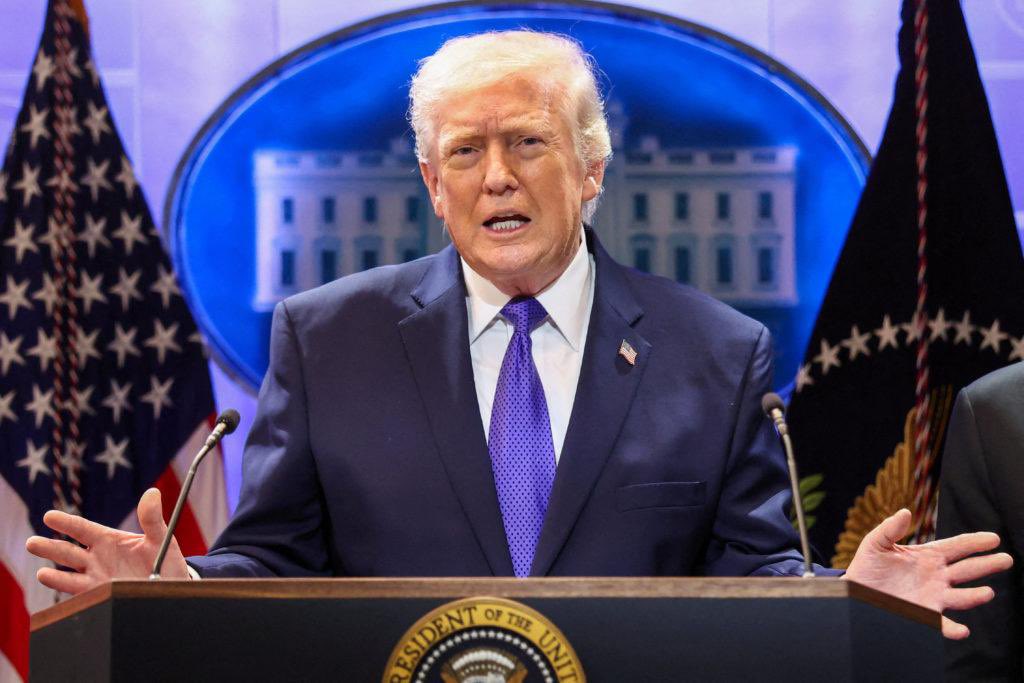
Summary
The trending topic "Supreme Court Strikes Down Trump's Tariffs" exploded on X today due to widespread posts highlighting a fresh Supreme Court ruling that invalidated key tariffs imposed by former President Donald Trump. In a 6-3 decision, the Court ruled that the president lacked congressional authority to enact these tariffs unilaterally, focusing on measures under the International Emergency Economic Powers Act (IEEPA) and related trade laws. This immediate fallout has triggered "business refund chaos," with U.S. companies—ranging from small importers to large manufacturers—scrambling to process refunds for tariffs paid on billions in goods, primarily from China, steel, aluminum, and other imports.
Posts across X, including viral threads from accounts like Nate Jackson of The Patriot Post and references to The Guardian, emphasize the real-time pandemonium: businesses filing urgent claims with U.S. Customs and Border Protection (CBP), supply chains halting amid refund uncertainties, and economists warning of short-term market volatility. The ruling, detailed in opinions citing separation of powers, has amplified today's trend as importers calculate potential reimbursements estimated in the tens of billions, forcing rapid adjustments to pricing, inventories, and trade strategies. This is not a historical recap but the live economic ripple effect unfolding now, dominating business discussions online.
Common Perspectives
Economic Relief for Importers and Consumers
Many businesses and free-trade advocates celebrate the decision as a win for lowering costs, arguing that refunds will inject cash into company coffers and reduce consumer prices on everyday goods like electronics and appliances hit by the tariffs. X users point to small businesses "scrambling" in a positive light, adapting quickly to reclaim overpayments.
Protectionism Under Threat
Supporters of Trump's tariff strategy view the ruling as a setback for American manufacturing and national security, claiming it weakens tools to counter unfair trade practices from countries like China. Posts question "who voted against tariffs," framing the 6-3 split (conservative justices in the minority) as judicial overreach undermining executive trade power.
Congressional Power Restored
Constitutional scholars and some politicians hail the decision for reinforcing Congress's Article I authority over tariffs and commerce, preventing future presidents from bypassing lawmakers. Trending discussions note this as a "smart" check on executive actions, with entrepreneurs urged to "adapt to regulatory changes."
Short-Term Chaos, Long-Term Uncertainty
Analysts and business leaders express concern over the immediate "refund chaos," with companies facing bureaucratic delays, accounting nightmares, and potential lawsuits. X threads buzz about "what’s next for the economy," predicting supply chain disruptions and volatile stock reactions in import-heavy sectors.
Political Ramifications for Trade Policy
Partisan voices tie the ruling to broader debates, with some seeing it as a blow to Trump's potential future agenda and others as validation for Biden-era adjustments. References to podcasts and episodes underscore how this reignites divides on global trade dynamics.
A Different View
While most focus on U.S. businesses chasing refunds or lamenting lost protectionism, an overlooked angle is the boost to international arbitration and alternative dispute resolution. With tariffs voided, affected foreign exporters—particularly in Asia—may pivot to WTO challenges or bilateral deals, potentially flooding U.S. ports with pre-tariff pricing while savvy American firms use the chaos to renegotiate supplier contracts at lower rates. This could quietly accelerate a shift toward diversified, non-adversarial global supply networks, benefiting agile players beyond the refund headlines.
Conclusion
As businesses navigate this tariff takedown's refund frenzy, the Supreme Court's move underscores enduring tensions between executive action and legislative control, setting the stage for congressional trade reforms. Today's X frenzy captures a pivotal economic pivot—watch for refund approvals and policy responses to shape markets in the weeks ahead.
Sources and discussion
These public posts were collected while researching this story. They provide context and reactions, but may not independently verify every claim.
View the original topic on XSad Creator
@SadCreatorTalks
🇺🇸 TRUMP's TARIFFS LEFT OR CANCELED: what's coming next? US stocks and crypto prices rally as the Supreme Court strikes down Trump's broad tariff regime, removing a major source of economic uncertainty. Bitcoin immediately jumped 1.75% to about $67,769. Some say it may
Feb 22, 2026137 likes43 repostsjuan antonio
@jajpchico
The decision by the Supreme Court Strikes Down Trump's Tariffs, Sparking Business Refund Chaos is sending shockwaves through the economy. Businesses scramble to navigate the refunds and adjustments ahead.
Feb 22, 20262 likesDanang_Hadi Prayogo
@ic3_papi91
Big news today as the Supreme Court Strikes Down Trump's Tariffs, Sparking Business Refund Chaos. Companies are now scrambling to deal with the fallout. What will this mean for the economy?
Feb 22, 20262 likesAnna Mahone xox
@anna07777
Big news today as the Supreme Court Strikes Down Trump's Tariffs, Sparking Business Refund Chaos. Businesses are scrambling to navigate the aftermath—what does this mean for the economy?
Feb 22, 20261 likesAngry One
@AngryFromBirth
Nate Jackson: Supreme Court Strikes Down Trump's Tariffs | The Patriot Post
Feb 22, 2026Sheresa
@Sheresa1574313
Who voted against tariffs? Supreme Court strikes down Trump's tariffs
Feb 22, 2026