

Ray J Wins Chaotic Celebrity Bout Against Orlando Brown
• From trending topic: Ray J Beats Orlando Brown in Celebrity Boxing Match
Summary
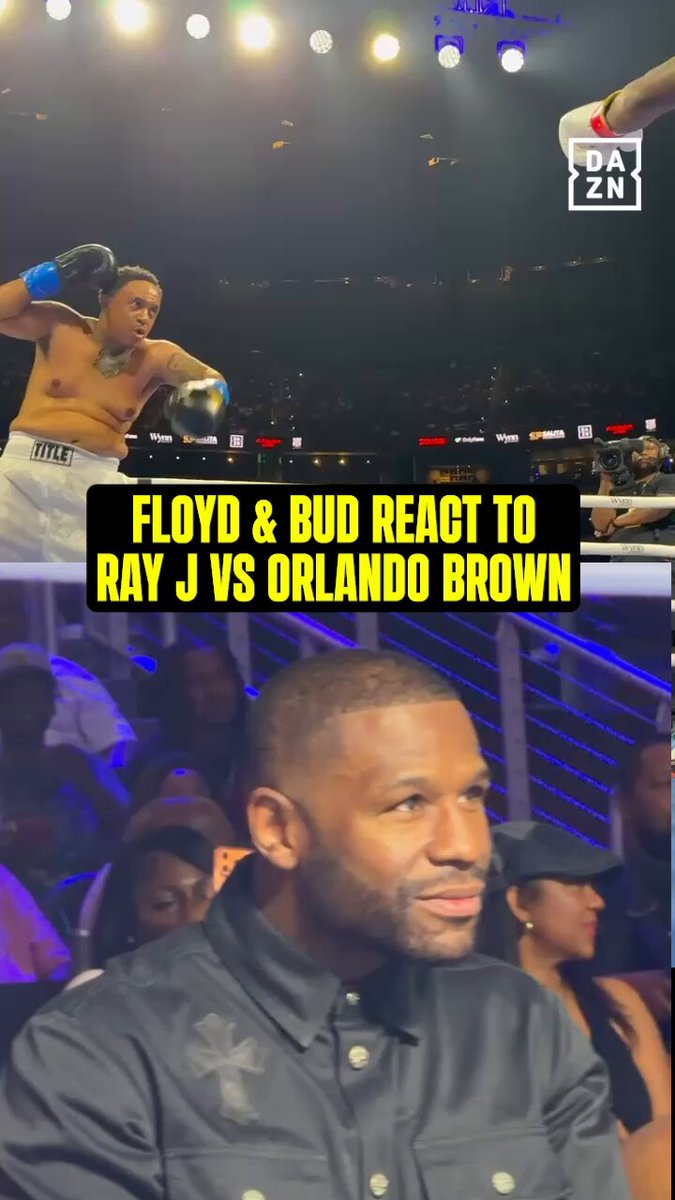
Ray J defeated Orlando Brown after their celebrity boxing match in Atlanta turned into wrestling on the canvas, with the crowd cheering the disorder even as the final round grew quiet enough to draw boos. Social media accounts of the Zeus Network event described two out-of-shape performers trading more grappling than punches, with security stepping in at points and some paying customers reporting they could not even stream the fight. Circulating comments also claimed that Terence Crawford and Floyd Mayweather, watching from ringside or nearby, looked openly disgusted. The bout sat on a card that included other names, among them Claressa Shields, and produced the usual mix of celebration from Ray J’s circle and jokes about the participants’ earlier fame.
Common Perspectives
Spectacle over sport
A sizable share of online reaction treated the chaos as the point. Users posted that the wrestling, the crowd’s energy, and the sheer unlikelihood of the pairing made it the best entertainment they had paid for, even if it was also the worst boxing. This view is common among people who consume celebrity combat for the memes and the unexpected physical comedy rather than technique. It rests on the assumption that the product is variety-show violence, so complaints about conditioning or rule-breaking miss the assignment.
Embarrassment to boxing
Another group, often those who follow the sport more closely, saw the same footage as evidence that the game has left the building. References to Mayweather and Crawford’s expressions, plus labels like “most out-of-shape fight in history,” framed the night as a low-rent sideshow that cheapens the craft. The appeal is protective: if enough people treat the ring as a content farm, the serious athletes lose status. The trade-off is that the same events generate the very attention that keeps boxing in the cultural conversation.
Nostalgic absurdity
A third cluster simply found the pairing funny because of who the men used to be. Posts joked about waiting for Raven-Symoné to rush the ring and rescue her former co-star, or treated the whole thing as two 2000s celebrities settling some leftover score. This reading appeals to viewers who grew up with That’s So Raven and Ray J’s music videos and now enjoy watching those personas collide in a low-stakes, slightly pathetic way. It assumes the fight is harmless camp rather than anything that requires athletic respect.
A Different View
The louder debate about whether the match was “real boxing” overlooks the quieter incentive that produced it: these bouts are cheap, high-engagement inventory for streaming platforms that need constant celebrity friction. Zeus and similar networks do not have to develop fighters; they only have to book recognizable names whose past lives already carry built-in punchlines, then let social media do the rest. The result is a feedback loop in which faded fame, modest production values, and guaranteed virality substitute for skill, and the audience’s mockery itself becomes the product. That model may be more durable than either the purists or the chaos fans admit.
Sources and discussion
These public posts were collected while researching this story. They provide context and reactions, but may not independently verify every claim.
View the original topic on XSasha
@sashajerz
Ray J And Orlando Brown's Celebrity Boxing Match Got Real Wild And The Crowd Was Loving Every Second
Aug 16, 2026Rowdy HipHop
@rowdyhiphop
Orlando Brown and Ray J started wrestling during their boxing match 😂
Aug 16, 2026Reggie Chatman Jr.
@ReggieChatman
Ray J just beat Orlando Brown in a boxing match Game is gone
Aug 16, 2026Big Media Buzz
@bigmediabuzz
Watching Ray J and Orlando Brown, I think every serious person in boxing is feeling the same way. Can't wait for the rematch!!!!
Aug 16, 2026AllHipHopcom
@allhiphopcom
Ray J Beats Orlando Brown As Atlanta Crowd Boos Quiet Final Round
Aug 16, 2026BabifaceDixon
@GoldnFreiza
Ray J Vs Orlando Brown Is The Most Out Of Shape Fight In Boxing History
Aug 16, 2026