

Putin at SPIEF: BRICS Surpasses G7, Russia Signals Readiness for Ukraine Deal Based on Trump Plan
• From trending topic: Putin at SPIEF: BRICS surpasses G7, Russia ready for Ukraine peace deal based on Trump plan
Summary
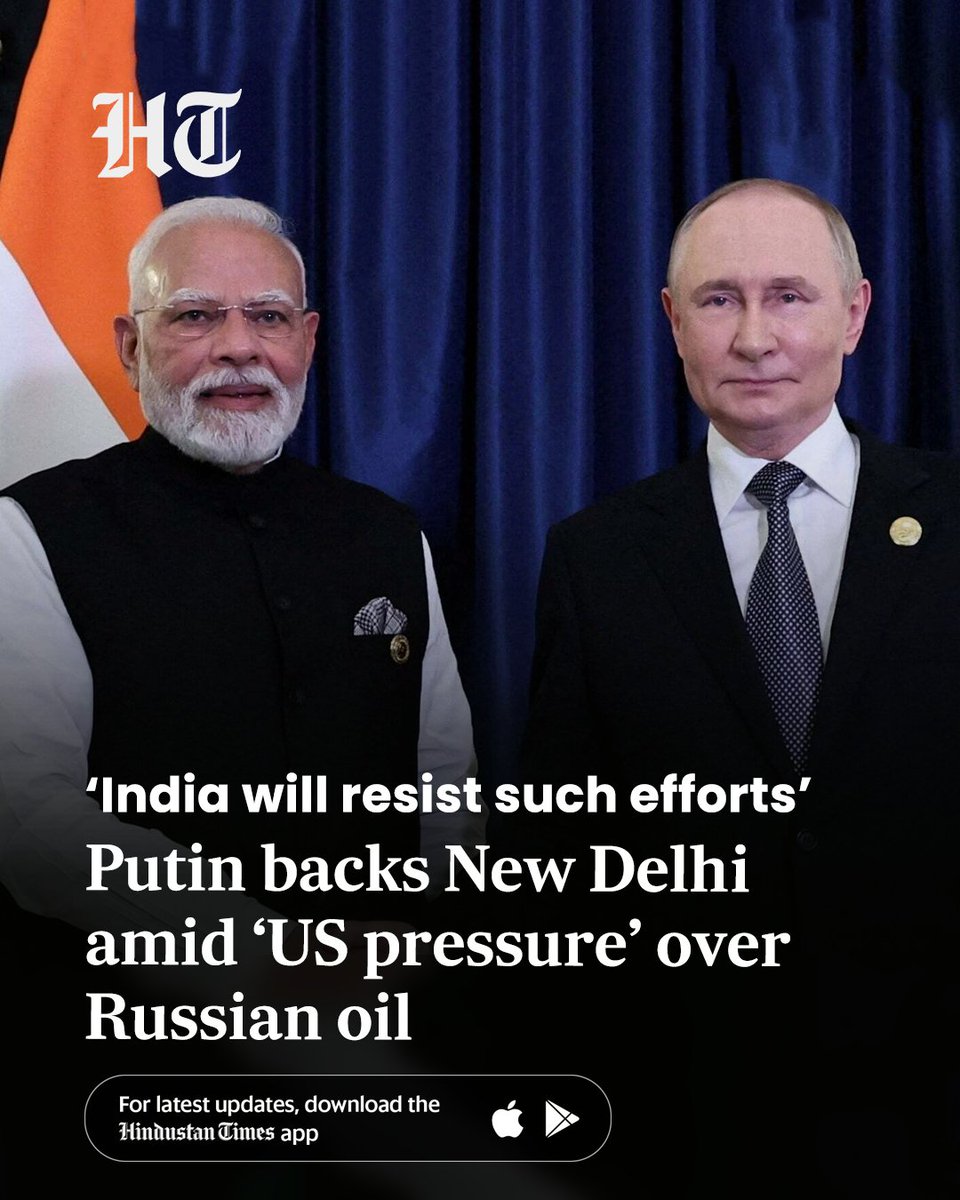
Right now, Russian President Vladimir Putin is using the annual St. Petersburg International Economic Forum (SPIEF) to deliver a high-profile message: that the BRICS grouping has overtaken the G7 in economic weight, and that Moscow is prepared to negotiate an end to the Ukraine conflict along lines similar to a plan reportedly outlined by former U.S. President Donald Trump. The remarks, delivered during the forum’s plenary session and in follow-up bilateral meetings, have been widely shared on social media, driving the sudden spike in global attention. Putin paired the economic claim with diplomatic overtures, noting that Russia would consider any proposal that aligns with Trump’s framework while stressing that India remains a “reliable partner” despite Western pressure.
The immediate trigger for the trend is the convergence of two storylines at the same event: Putin’s assertion that BRICS economies now outpace the G7, and his explicit reference to a Trump-brokered peace formula for Ukraine. These statements were delivered live to an international press corps and simultaneously circulated on X, where short clips and quote threads gained rapid traction. The timing—days after renewed speculation about Trump’s potential return to office—amplified interest among audiences tracking both the war and shifting global economic alignments.
Common Perspectives
Economic Realignment Narrative
Many analysts view Putin’s BRICS-over-G7 claim as an attempt to frame Russia’s pivot toward non-Western markets as a long-term strategic success. Supporters argue that the expansion of BRICS membership and its growing share of global GDP illustrate a durable shift in economic gravity away from traditional Western institutions.
Diplomatic Opening or Political Maneuver
A second perspective sees the reference to a “Trump plan” as a tactical signal aimed at Western capitals. Commentators in this camp suggest Moscow is testing whether a future Trump administration would accept a negotiated settlement that freezes current front lines, while simultaneously appealing to domestic audiences by appearing open to talks.
India-Russia Partnership Under Pressure
Observers focused on New Delhi highlight Putin’s defense of India’s ties with Russia despite U.S. sanctions threats. This view emphasizes that both capitals are using the SPIEF platform to demonstrate that bilateral cooperation continues regardless of external pressure, reinforcing a narrative of strategic autonomy for middle powers.
Media and Platform Amplification
A fourth angle centers on the role of social media in shaping the story’s reach. Short video clips of Putin’s answers, shared by accounts with large followings, quickly outpaced longer analytical pieces, turning a routine forum speech into a trending topic within hours.
A Different View
Instead of treating the BRICS-G7 comparison and the Ukraine peace hint as two separate headlines, consider them as a single calibrated message: Russia is offering a trade-off in which acceptance of a Trump-style settlement could accelerate the very economic reordering Putin just celebrated. In this reading, the economic statistics are not merely boastful data points but implicit leverage—if Western governments want to slow BRICS consolidation, they may need to entertain Moscow’s terms on Ukraine first.
Conclusion
The current surge in attention stems directly from Putin’s decision to link economic messaging with diplomatic signaling at SPIEF, at a moment when speculation about U.S. political transitions is already high. How different capitals interpret that linkage will shape whether the remarks remain a media moment or evolve into a substantive shift in negotiations.
Sources and discussion
These public posts were collected while researching this story. They provide context and reactions, but may not independently verify every claim.
View the original topic on XAFBytes
@AF_Bytes
Here's what we're tracking — Friday, June 5 Our take on what's making headlines. Each item below is our summary of someone else's reporting — follow the source via afbytes for the original. ▸ Putin says Russia ready for Ukraine peace deal based on Trump plan Source — rediff
Jun 5, 2026Sid
@Trending_Sid
RUSSIA 🇷🇺 Breaking - President Putin Declares BRICS Has Surpassed G7 Major Speech on Global Economy at SPIEF 2026 SPIEF is Russia's flagship economic forum and one of the most closely watched international events of the year. The plenary session provides important insight
Jun 5, 20261 likesHelga Zepp-LaRouche
@ZeppLaRouche
Facing the international press gathered at the annual St. Petersburg International Economic Forum, Russian President Vladimir Putin was asked about the close work with Chinese President Xi Jinping, with over 50 meetings in the last 14 years. The president
Jun 5, 20266 likes5 repostsHelga Zepp-LaRouche
@ZeppLaRouche
The Lead Southwest Asia and the Strategy of Peace by Stewart Battle (EIRNS) — Jun. 04, 2026 Things are not looking good for President Donald Trump. On one hand, his proposed peace agreement with Iran is falling apart before his eyes, evidence of a forced
Jun 5, 20264 likes1 reposts𝐃𝐚𝐯𝐢𝐝 𝐙 🇷🇺🇮🇪
@SMO_VZ
PUTIN'S answer to Zelensky's letter Plus his Full SPEECH at the St Petersburg Conference and with Panel Speakers ! Thread 1 / 4 President of Russia Plenary session of the St Petersburg International Economic Forum Vladimir Putin took part in the plenary session of the
Jun 5, 2026Aprajita Nafs Nefes 🦋 Ancient Believer
@aprajitanefes
🇷🇺🇮🇷|Putin: Relations between Moscow and Tehran are "based on trust" Russian President Vladimir Putin affirmed that Russia would support any decision aimed at easing tensions surrounding Iran, describing the relationship between Moscow and Tehran as one "based on trust."
Jun 5, 2026