

Pam Bondi Names Culver City in Crime Remarks, Sparking Viral Backlash and Defenders Online
• From trending topic: Culver City
Summary
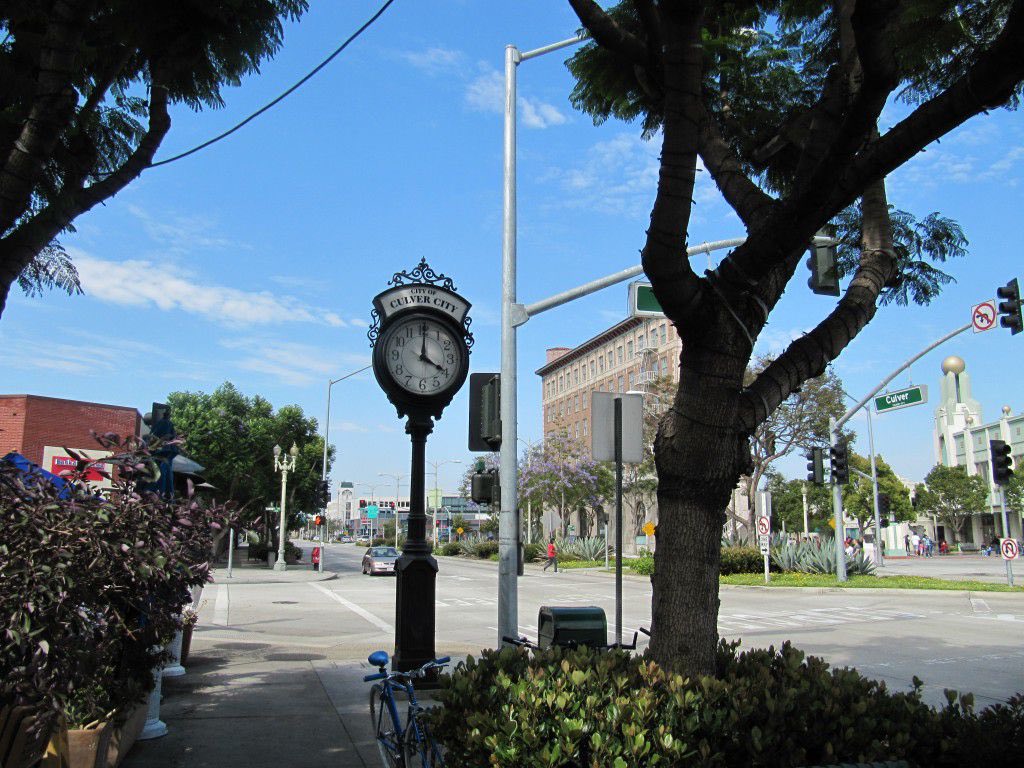
Culver City, a Los Angeles suburb known for its entertainment studios and upscale amenities, has surged to the top of X trends following pointed remarks by Pam Bondi, former Florida Attorney General and Trump ally. During a recent public appearance, Bondi highlighted Culver City as an example of a "violence-plagued hellhole" tied to Venezuelan gang Tren de Aragua activity and broader crime concerns involving immigrants. The comment, delivered amid national debates on border security and urban safety, quickly ignited a firestorm on X, where users mocked the characterization of the polished Westside enclave—home to Sony Pictures, Amazon Studios, high-end grocery chain Erewhon, and the Fox Hills Mall—as a criminal hotspot.
The timing aligns with heightened political rhetoric ahead of elections, amplifying Bondi's statement into a viral moment. Posts contrasting her words with images of Culver City's walkable streets, family-friendly parks (like those used for teaching kids to bike), and trendy brunches have racked up thousands of likes, turning the city into a punchline for perceived disconnect from reality. References to "420" vibes and nostalgic dangers like "ice skaters slicing people" add humorous layers, while some tie it directly to Bondi's name-drop, questioning if she's ever visited. This isn't abstract debate—it's a real-time clash of crime narratives versus lived suburban appeal, driving over 100 notable X posts in hours and positioning Culver City as the unlikely epicenter of a national culture war flashpoint.
Common Perspectives
Culver City as a Safe, Desirable Suburb
Many X users push back hard, portraying Culver City as a "fucking beautiful" and "pretty dope" gem with studios, expensive brunches, and family activities like biking lessons. They highlight its affluence and normalcy, using sarcasm to contrast Bondi's "hellhole" label with photos of vibrant streets and Erewhon shoppers.
Bondi's Warning on Real Gang Threats
Supporters frame Bondi's mention as a legitimate alert to Tren de Aragua's presence, implying the gang was "just off camera" in idyllic scenes. They see Culver City as evidence of crime spilling into unexpected places, urging attention to immigrant-linked violence over polished facades.
Political Hypocrisy and Elite Disconnect
Critics accuse Bondi of exaggeration or ignorance, joking her staff "hates her" or she's never set foot there. Posts call it a "reach," tying it to anti-Mexican undertones ("there are Mexicans in Culver City!!") and dismissing her as clueless about upscale LA life.
Nostalgic or Ironic "Dangers"
Some lean into humor with throwbacks like violent ice skaters at the rink or "notoriously violent mean streets," blending childhood memories with irony to underscore how Bondi's narrative clashes with locals' tame realities.
Casual Defense of Local Vibes
Everyday posters celebrate Culver City's cool factor—Erewhon, Fox Hills Mall, 420 culture—without deep politics, simply calling it "known criminal hotbed... wait what?" to highlight the absurdity.
A Different View
While the debate fixates on Culver City's image versus Bondi's crime claims, a overlooked angle is how this viral spat reveals shifting perceptions of "safe" suburbs in America's immigration discourse. Culver City isn't just a punchline—it's a microcosm of how entertainment hubs, with their transient international workforces and diverse residents, blur lines between glamorous LA and gritty national headlines. Bondi's drop could spotlight unreported tensions in these polished pockets, where high-profile studios coexist with under-the-radar gang footholds, forcing a rethink of whether "beautiful" places are immune or simply better at hiding frictions.
Conclusion
Pam Bondi's Culver City reference has transformed a quiet suburb into X's hottest debate, exposing divides between alarmist crime talk and everyday praise. As memes multiply and opinions clash, it underscores how one offhand remark can rally defenders, skeptics, and satirists—proving trends like this thrive on the gap between rhetoric and reality.
Sources and discussion
These public posts were collected while researching this story. They provide context and reactions, but may not independently verify every claim.
View the original topic on XMiles Klee 🐠 🦉 🦂
@youwouldntpost
ah yes, violence-plagued hellhole Culver City
Feb 11, 202631 likes2 repostsRoy Drones Jr
@chiweethedog
Culver City has an erewhon lol
Feb 12, 202630 likesJames Queally
@JamesQueallyLAT
Ah yes, known criminal hotbed Culver City with its … way too expensive brunches … and Sony and Amazon studios and … wait what?
Feb 12, 202626 likes4 repostsVan Lathan Jr
@VanLathan
Culver City is fucking beautiful
Feb 12, 202627 likes1 reposts.
@chesterzabadass
@GovPressOffice Just look at how horrible Culver City apparently is 😂
Feb 12, 20266 likesAllen Strickland Williams
@TotallyAllen
Culver City when Pam Bondi name dropped her today
Feb 12, 20266 likes