

Pakistan Army Helicopter Crash Near Muzaffarabad Claims 21 Lives, Sparking Regional Security Concerns
• From trending topic: Pakistan Army MI-17 Helicopter Crash Near Muzaffarabad; 21 Killed
Summary
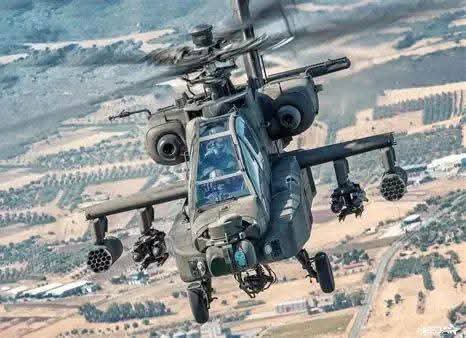
Pakistan Army officials have confirmed that an MI-17 helicopter went down near Muzaffarabad in Azad Jammu and Kashmir, resulting in the deaths of all 21 individuals on board. The incident has rapidly climbed trending lists on X as multiple users link the crash to broader regional tensions, including recent Pakistani airstrikes in eastern Afghanistan and statements at the United Nations about perceived Indian “evil designs.” The convergence of the crash with these ongoing security developments has driven the sharp increase in online discussion today, with some posts attempting to connect the helicopter loss to external actors such as Iranian Shahed drones—though those claims reference a separate U.S. Apache incident near Oman. The immediate focus remains on the Muzaffarabad crash itself and its timing amid heightened Pakistan-Afghanistan friction and diplomatic warnings issued at the UN.
Common Perspectives
Official Military Statement: Technical or Weather-Related Cause
Many observers point to statements from Pakistani military sources indicating the crash resulted from adverse weather or a mechanical issue during a routine flight. Supporters of this view emphasize the challenging terrain around Muzaffarabad and the known operational demands placed on aging MI-17 fleets, arguing the tragedy fits a pattern of non-combat aviation incidents rather than hostile action.
Regional Security Link: Connection to Recent Airstrikes
A second perspective ties the helicopter loss directly to the recent cross-border airstrikes Pakistan conducted against Pakistani Taliban hideouts in Afghanistan. Commentators in this camp suggest the crash could be retaliation or part of an escalating cycle of violence, noting that both the Afghan Taliban and Pakistani officials have already traded accusations over civilian casualties from those strikes.
External Interference Narrative: Drone or Foreign Involvement Claims
Some social-media threads speculate that hostile drones—specifically referencing Iranian Shahed models—may have played a role, drawing parallels to unverified reports about a U.S. Apache helicopter near Oman. While these posts often conflate separate incidents, the narrative resonates with users already concerned about Iranian drone proliferation and its potential spillover into South Asian airspace.
Political Messaging at the United Nations
Another strand of commentary highlights Pakistan’s recent UN address warning of Indian “evil designs” and vowing a firm response to any aggression. Proponents argue the crash timing amplifies Islamabad’s narrative of encirclement, using the tragedy to underscore the need for international attention to regional stability.
A Different View
Rather than focusing solely on cause or blame, consider how the loss of 21 service members in a single MI-17 crash exposes the cumulative strain on Pakistan’s rotary-wing fleet and the broader logistics of maintaining air mobility in mountainous regions. The incident underscores a less-discussed reality: the daily operational tempo required to sustain presence along contested borders may be outpacing available maintenance cycles and pilot rest protocols, turning routine transport missions into high-risk endeavors regardless of external threats.
Conclusion
The Muzaffarabad crash has become a flashpoint because it landed at the intersection of an active military operation, fresh diplomatic warnings, and a highly active social-media environment eager to connect disparate events. While investigations continue, the tragedy has already reshaped immediate conversations around Pakistan’s security posture and the human cost of sustained regional friction.
Sources and discussion
These public posts were collected while researching this story. They provide context and reactions, but may not independently verify every claim.
View the original topic on XGlobal World TV News
@GlobalC83910
BREAKING: REPORTS CLAIM IRANIAN SHAHED DRONE BROUGHT DOWN U.S. APACHE HELICOPTER New reports emerging from the Middle East suggest that the U.S. Army Apache helicopter that recently went down near the coast of Oman may have been struck by an Iranian-made Shahed drone. According
Jun 10, 20261 likesMarc A. Ross
@marcaross
A finished bridge, held hostage by a grievance Eight years of construction. One social media post in February that nearly killed it. And now, according to multiple Detroit-area media outlets citing sources not authorized to speak publicly, a ribbon-cutting is set for Friday,
Jun 9, 20261 likes1 repostsThe Kabul Tribune
@TheKabultribun
Pakistan on Wednesday confirmed it carried out airstrikes in eastern Afghanistan, saying the operation targeted hideouts of the Pakistani Taliban and killed 26 militants, while Afghanistan's Taliban government said the strikes killed at least 13 civilians, including 11 children.
Jun 10, 2026IOL News
@IOL
Minister of International Relations and Cooperation Ronald Lamola has distanced the Government of National Unity from claims suggesting that Pakistani nationals are being encouraged to relocate to South Africa and that 15,000 trained Jewish individuals from Israel are in the
Jun 10, 202614 likes7 repostsU.S.A.I. 🇺🇸
@researchUSAI
🇸🇦 Saudi Arabia 🇸🇦 - The First Order Consequence🇸🇦 Saudi economy growth was reported at 3% in the first quarter, signaling improved near-term fiscal and demand conditions. Unknown whether growth strength is broad-based across sectors or driven by temporary factors - The Second
Jun 10, 2026After the Raj
@aftertheraj
Breaking News: Pakistan and Russia are well positioned to expand cooperation across a broad spectrum of sectors and contribute to regional stability, economic integration, and a more balanced international order. That was the key takeaway from a high-level webinar titled
Jun 10, 2026