

Oil Prices Plunge to $76.43 as Energy Becomes Worst-Performing Asset Class
• From trending topic: Oil Prices Drop to $76.43, Worst-Performing Asset Class
Summary
Oil prices have experienced a sharp decline this week, dropping to $76.43 per barrel and marking a nearly five percent single-day loss. This represents a significant reversal from just a week ago when oil was trading above $80. Energy has now emerged as the worst-performing asset class across global markets. The dramatic price movement has caught traders and analysts off guard, as the decline appears to be more than a temporary fluctuation. The timing coincides with Nigeria's recent agreement with the United States to strengthen cooperation in the solid minerals sector, as part of Abuja's broader strategy to diversify its economy away from oil dependency. This development signals a potential long-term shift in global energy dynamics as major oil-producing nations actively seek alternatives to petroleum-based revenue streams.
Common Perspectives
Market Fundamentals Are Driving the Drop
Traders point to oversupply concerns and weakening demand indicators as the primary drivers behind the price collapse. The five percent single-day decline suggests fundamental shifts in the supply-demand balance rather than temporary market noise. This perspective sees the drop as a natural market correction following the recent run above $80.
Geopolitical Diversification Efforts Are Reshaping Energy Markets
The Nigeria-US minerals cooperation agreement represents a broader trend where oil-dependent economies are actively reducing their reliance on petroleum revenues. This strategic shift by major producers could signal a structural change in global oil demand patterns, as countries that previously supported oil prices through production discipline now prioritize economic diversification.
Asset Class Rotation Reflects Broader Investment Trends
The classification of energy as the worst-performing asset class suggests investors are rotating capital toward other sectors perceived as having better growth prospects. This movement reflects changing risk appetites and sector preferences among institutional investors managing large portfolios.
Supply Chain Disruptions May Be Temporary
Some market participants view the current price weakness as a short-term phenomenon that could reverse once current inventory levels normalize and seasonal demand patterns reassert themselves in coming months.
A Different View
Rather than viewing the price decline as purely negative for energy markets, this drop could accelerate the very diversification strategies that oil-producing nations like Nigeria are pursuing. The pressure created by lower oil revenues might speed up the transition toward minerals, renewable energy, and other economic sectors, potentially creating more resilient economies in the long term. This suggests the current price weakness could be self-reinforcing, as reduced oil income drives faster diversification away from oil dependency.
Conclusion
The oil price collapse to $76.43 represents more than a simple market fluctuation—it signals a potential inflection point in global energy dynamics. As major producers actively diversify their economies and investors reassess energy sector prospects, the current weakness may reflect structural changes rather than cyclical patterns. The intersection of immediate market pressures with long-term strategic shifts by oil-dependent nations suggests this trend could have lasting implications for global energy markets.
Sources and discussion
These public posts were collected while researching this story. They provide context and reactions, but may not independently verify every claim.
View the original topic on XAnthony
@AnthonyWidodo_
MARKET OUTLOOK — Wednesday, 05 August 2026 A week ago oil was trading above 80 dollars; today it closed at 76.43, down nearly five percent on the day. That is the single biggest change in the tape, and it is not just a one-day blip — energy is the worst-performing asset class
Aug 5, 2026NΞXUS
@NEXUS_TO_NOVA
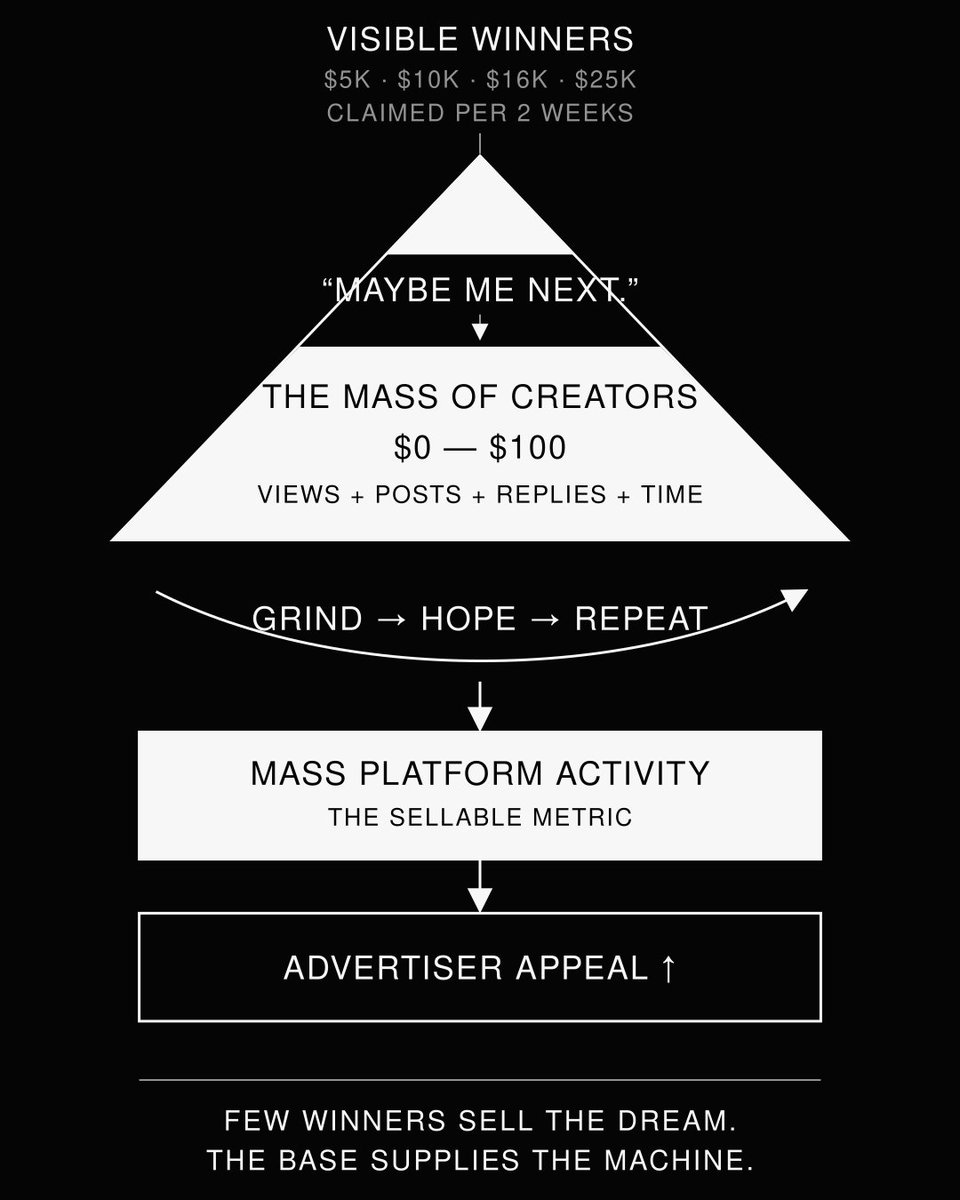
X makes you work for free while you pay them with the most valuable asset you own. The promise is simple: keep posting, grow your impressions, get into the revenue-sharing program, and eventually X might start paying you enough to call this a business. That possibility keeps
Aug 5, 20264 likesUKWELITIMES WORLD
@UKWELINEWSWORLD
🚨AFRICA NEWS Nigeria and the United States have agreed to strengthen cooperation in the solid minerals sector, paving the way for increased U.S. investment, technology transfer, and local mineral processing as Abuja pushes to diversify its economy beyond oil. #Nigeria #USA
Aug 5, 2026