

NYC Mayor Mamdani Weighs Arresting Netanyahu During UN Visit
• From trending topic: NYC Mayor Mamdani Weighs Arresting Netanyahu During UN Visit
Summary
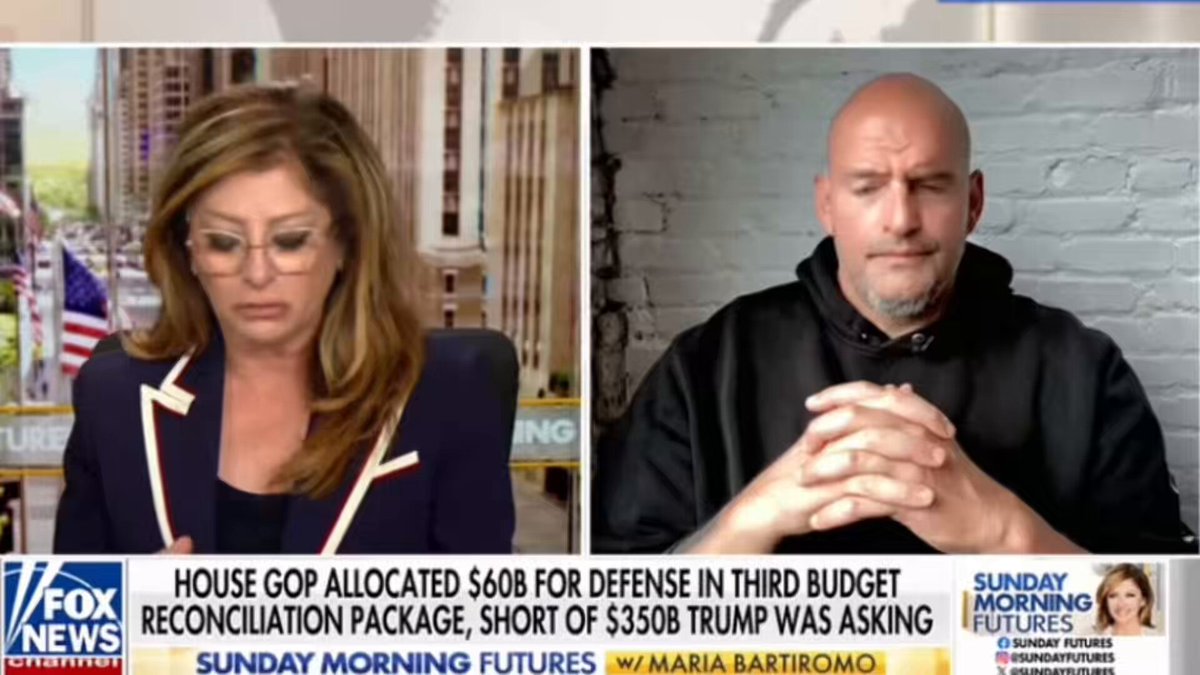
Right now, New York City Mayor Zohran Mamdani’s administration is actively exploring whether the NYPD could arrest Israeli Prime Minister Benjamin Netanyahu when he arrives for the United Nations General Assembly later this month. Fox News and Maria Bartiromo broke the story that the mayor’s office has asked city attorneys and police officials to examine legal pathways for detaining Netanyahu on arrival at JFK or during his stay in Manhattan. The development follows Mamdani’s public statements that he would not guarantee safe passage for Netanyahu, prompting immediate reactions on X and in diplomatic circles. The timing coincides with the final weeks of preparation for the UN session, placing the potential arrest scenario at the center of both domestic and international headlines.
Common Perspectives
Law-and-Order Advocates Say City Authority Must Yield to Federal Immunity
Supporters of Netanyahu argue that any attempt by New York City to detain a sitting head of government would violate longstanding federal rules granting foreign leaders immunity while on official U.S. business. They contend that the mayor lacks the legal standing to override State Department protections and that such a move would damage U.S.-Israel relations.
Progressive Activists Argue Local Police Can Enforce International Arrest Warrants
Activists aligned with Mamdani maintain that the International Criminal Court’s outstanding warrant against Netanyahu creates a legitimate basis for city-level enforcement. They say New York officials have a duty to uphold global human-rights standards even if federal authorities decline to act, and they view the mayor’s inquiry as a test of whether local governments can fill gaps left by Washington.
Diplomatic Observers Warn of a Precedent That Could Isolate the United States
Career diplomats and foreign-policy analysts caution that arresting a foreign leader in New York could set off a chain reaction in which other nations begin targeting U.S. officials abroad. They emphasize that the UN General Assembly relies on host-city assurances of safety and that any breach could prompt countries to relocate future sessions or limit high-level attendance.
Israeli Supporters See the Threat as Political Theater Ahead of Elections
Some commentators inside Israel and among U.S. pro-Israel groups dismiss the arrest discussion as campaign rhetoric designed to energize Mamdani’s base before local elections. They argue that the legal and logistical barriers are so high that the episode will ultimately amount to little more than headlines, while still succeeding in drawing attention to the mayor’s stance on Israel.
A Different View
Instead of focusing solely on the clash between city hall and the federal government, consider how the episode could reshape the everyday security planning that occurs each September inside the UN “bubble.” If the NYPD must now account for the possibility of detaining a head of state, motorcade routes, hotel perimeters, and even the use of city sidewalks may be reconfigured weeks in advance. That quiet recalibration of logistics—extra magnetometers at crosswalks, revised flight-arrival protocols, discreet changes to emergency-response staging areas—could become the most tangible legacy of the current debate, affecting not just Netanyahu’s visit but every subsequent world leader who lands at JFK for the General Assembly.
Conclusion
The unfolding discussion over a potential arrest has moved from social-media speculation to active city-level review in a matter of days, illustrating how quickly a single mayor’s public stance can intersect with international diplomacy and local policing. Whether the legal analysis ultimately blocks or enables action, the episode has already altered the planning assumptions that normally govern UN week in New York.
Sources and discussion
These public posts were collected while researching this story. They provide context and reactions, but may not independently verify every claim.
View the original topic on XJulie Christian
@jchristian61
NYC Mayor Mamdani says NYPD is exploring arresting Netanyahu at UN | Fox News
Jul 19, 2026Emoluments Clause
@Emolclause
#BREAKING: Bartiromo: “You’ve got @NYCMayor Zohran Mamdani threatening that he will have Benjamin Netanyahu arrested if he comes to New York for the UN General Assembly…which is happening in September. What are your thoughts here on Mamdani threatening to arrest Benjamin
Jul 19, 20265 likes1 repostsShield of Truth
@ShieldOfTruth_
🚨 Mamdani Administration Weighs Whether NYC Could Arrest Netanyahu During UN Visit, Report Says
Jul 19, 2026glen
@glen45409123181
Follower of the Pedophile Warlord Mohammed has a big mouth, it's a shame that Mossad is restricted! NYC Mayor Mamdani says NYPD is exploring arresting Netanyahu at UN | Fox News
Jul 19, 2026