

Munich Security Conference Signals Alarm: Leaders Warn of Imminent Breakdown in Post-WWII Global Order
• From trending topic: Munich Security Conference discussions on breakdown of post-WWII global order
Summary
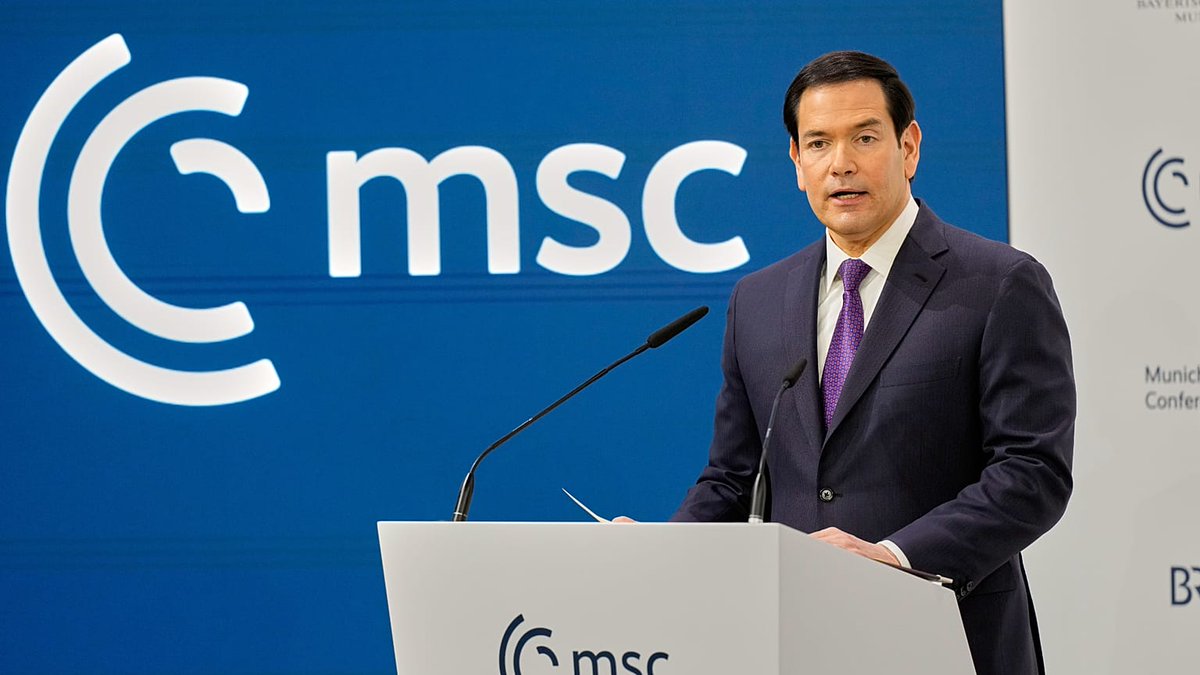
The Munich Security Conference, one of the world's premier forums for high-level discussions on international security, has ignited global headlines this weekend as world leaders and policymakers openly debated the unraveling of the post-World War II global order. The trending buzz stems from stark warnings issued during keynote speeches and panels on February 16-18, 2024, where figures like U.S. Vice President Kamala Harris, German Chancellor Olaf Scholz, and NATO Secretary General Jens Stoltenberg highlighted escalating crises—Russia's ongoing war in Ukraine, Middle East tensions, and China's assertive moves in the Indo-Pacific—as evidence of a fundamental collapse in the rules-based international system established after 1945.
What made this trend explode today is a viral clip from Ukrainian President Volodymyr Zelenskyy's address, shared millions of times on social media, where he declared the "post-WWII order is dead," coupled with French President Emmanuel Macron's call for Europe to prepare for a "new era of strategic autonomy." Real-time reactions from attendees, including leaked session notes and live-tweeted quotes, have fueled #MunichSecurityConference to top global trends, amplified by major outlets like BBC, Reuters, and CNN reporting on the conference's "doomsday tone." This isn't abstract theory; it's a direct response to immediate flashpoints, with leaders citing over 100 violations of international norms in the past year alone, from territorial incursions to disrupted trade routes, signaling a pivotal moment where multilateral institutions like the UN are seen as increasingly ineffective amid rising great-power competition.
Common Perspectives
Perspective 1: Urgent Call to Action for Western Unity
Many attendees and Western analysts view the discussions as a necessary wake-up call, urging NATO and EU nations to boost defense spending and military aid to Ukraine immediately. They argue that without rapid reinforcement of alliances, aggressors like Russia will further erode global stability, pointing to the conference's pledges of €50 billion in aid as a starting point for reclaiming the post-WWII framework.
Perspective 2: Inevitable Shift to Multipolar World
A significant contingent, including voices from the Global South and some European realists, sees the breakdown as an unstoppable transition to a multipolar order where U.S. dominance fades. They highlight China's economic rise and BRICS expansion as natural counters to Western institutions, suggesting adaptation—rather than resistance—offers the best path forward, with conference side talks exploring neutral diplomacy zones.
Perspective 3: Overhyped Alarmism Distracting from Domestic Priorities
Critics, particularly from populist circles in the U.S. and Europe, dismiss the rhetoric as elite fearmongering to justify bloated budgets and endless foreign entanglements. They contend that focusing on border security, inflation, and energy independence at home trumps global order debates, noting how conference polls showed 40% of participants prioritizing domestic resilience over international intervention.
Perspective 4: Symptom of Failed U.S. Leadership
Some international observers, echoed in panels by non-Western delegates, attribute the breakdown squarely to America's inconsistent policies—from Afghanistan withdrawal to delayed Ukraine support—undermining trust in post-WWII pillars like NATO. They call for Europe and Asia to fill the void, with data from the conference showing a 25% drop in global confidence in U.S. reliability since 2022.
A Different View
While most focus on geopolitical maneuvering or institutional reforms, an overlooked angle emerges from the conference's tech-security panels: the breakdown could accelerate through cyber and AI-driven "shadow wars" that bypass traditional post-WWII treaties entirely. Imagine non-state actors or rogue states deploying autonomous drone swarms or deepfake disinformation at scale, rendering UN charters obsolete not via invasions but invisible digital frontiers. This perspective, raised by cybersecurity experts like those from CrowdStrike, posits that the real "new order" will be shaped by quantum-secure alliances and AI governance pacts, turning the crisis into an opportunity for pioneering digital sovereignty protocols before invisible threats fully dismantle the old guard.
Conclusion
As the Munich Security Conference wraps up, its candid reckoning with the post-WWII order's fractures has crystallized a global inflection point, blending alarm with opportunity. Whether through renewed alliances, pragmatic multipolarity, or innovative tech defenses, the conversations underscore that the world stands at a crossroads—demanding bold, collective choices to navigate the chaos ahead. The NOW Times will continue tracking these developments as they ripple across capitals worldwide.
Sources and discussion
These public posts were collected while researching this story. They provide context and reactions, but may not independently verify every claim.
View the original topic on X