

Kenya Housing Programme Draws Praise for Construction Jobs and End of ‘Flying Toilets’
• From trending topic: Kenyans Praise Affordable Housing Programme for Jobs and Better Lives
Summary
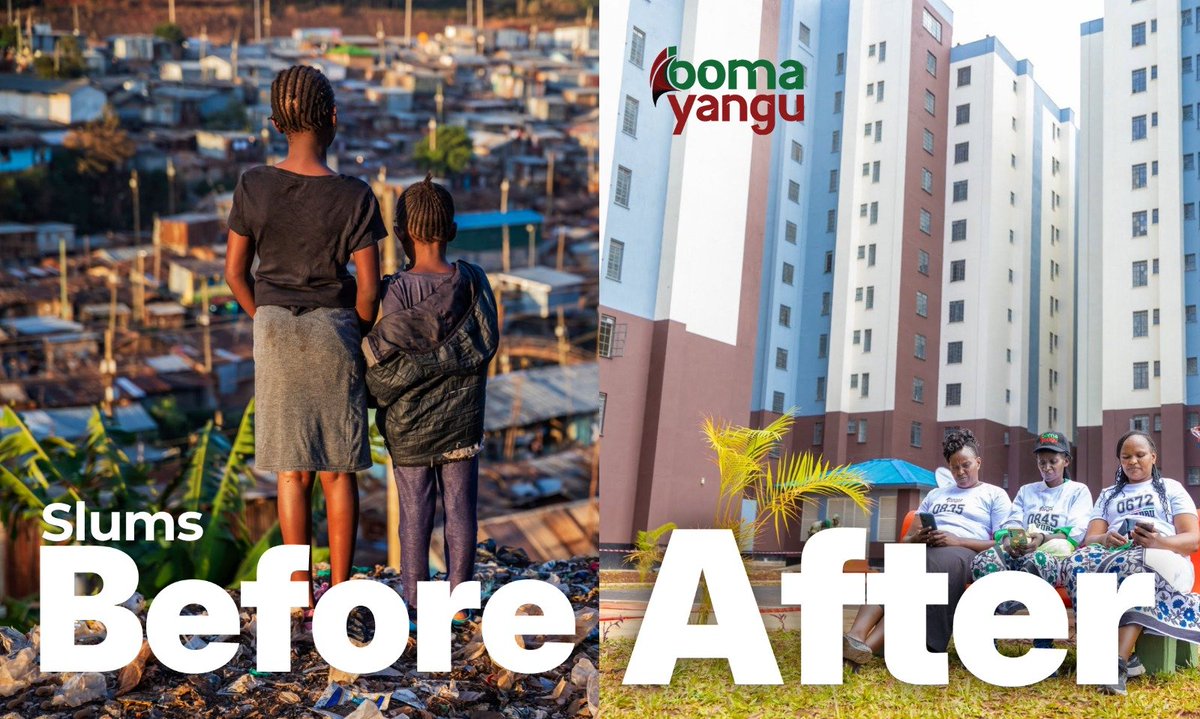
Social-media users in Kenya have been highlighting the Affordable Housing Programme as a source of construction work and a practical exit from informal sanitation practices known as flying toilets. Clustered coverage around 19 August 2026 presents the initiative as having generated hundreds of thousands of building jobs while also financing supporting infrastructure around new residential units. The programme is intended to increase homeownership, stimulate demand for construction materials and services, and improve conditions in urban centres. Posts circulating under #LevyToDignity and the slogan Kwaheri FlyingToilets describe families converting rent into an asset, drivers and operators moving materials and workers to sites across counties, and neighbourhoods seeing physical change. These accounts treat the housing levy as the mechanism that funds both the units and the surrounding roads, utilities and services needed to make them functional. Independent confirmation of exact job totals, occupancy rates and allocation processes remains limited in the available reporting.
Common Perspectives
Construction and logistics workers
Labourers, suppliers and transport operators involved in the projects tend to treat the programme as an immediate employment engine. The appeal is straightforward: large-scale building absorbs workers quickly and creates knock-on demand for hauliers who move cement, steel, equipment and crews. The trade-off is that much of the work is tied to specific sites and phases; the underlying assumption is that successive projects will continue without long gaps or payment delays.
Urban renters and informal-settlement residents
People currently living in crowded urban areas or paying rent often focus on sanitation, security of tenure and the chance to turn monthly housing costs into equity. The “goodbye flying toilets” framing resonates because it promises an end to a well-known public-health and dignity problem. This view assumes new units will be priced within reach of the intended households, allocated without favouritism, and accompanied by functioning services so that the improvement is not merely cosmetic.
Levy payers who accept the deduction as collective investment
Employees and employers subject to the housing levy, together with supporters of the current policy, frequently describe the deduction as Levy to Dignity. The appeal lies in the idea of a shared contribution that produces visible national assets rather than another consumption tax. The trade-off is lower take-home pay in the present; the assumption is that collections are used efficiently, that payers or their relatives will eventually benefit, and that multiplier effects in construction will offset the cost for those who never occupy a unit.
A Different View
The conversation on X largely treats job numbers and the disappearance of flying toilets as self-evident successes. A less examined question is how the spatial concentration of new developments may alter land values, informal rental markets and migration within cities. If completed units draw residents out of older neighbourhoods, those areas could lose both tenants and the small-scale economies that currently house and employ many of the same people the programme claims to help. The levy’s broad collection base also means a large share of contributors may never live in the new housing, raising a distributional issue that the dignity slogan does not address.
Conclusion
Verification of actual occupancy, the quality and cost of finished units, and whether levy support remains politically durable as more payslips reflect the deduction will determine how long the current wave of praise lasts.
Sources and discussion
These public posts were collected while researching this story. They provide context and reactions, but may not independently verify every claim.
View the original topic on XLorna♧♡
@L0rna_li
The Affordable Housing Programme is intended to expand homeownership while creating construction demand, supporting businesses and improving infrastructure around residential communities across Kenya today. #LevyToDignity Kwaheri FlyingToilets
Aug 19, 20261 likes10 repostsPakaMeow🐈
@pakameoww
Kwaheri FlyingToilets. For families paying rent, affordable homeownership can turn monthly housing costs into an investment, creating greater financial security and a stronger foundation for future generations and stability. #LevyToDignity
Aug 19, 20263 likes10 repostsPrince Victor Yoya™
@Prince_Victer
Affordable Housing is creating work opportunities while helping address housing shortages in urban centers. Communities are experiencing positive transformation and declaring Kwaheri FlyingToilets confidently. #LevyToDignity
Aug 19, 20262 repostsDOUGLAS
@Dagiraz
Affordable housing requires more than putting up buildings. The levy also supports infrastructure needed to make housing developments functional. #LevyToDignity, Kwaheri FlyingToilets
Aug 19, 20261 likes3 repostsBianca
@BiancaTonui
Transport workers are also benefiting. Drivers and transport operators help move construction materials, equipment and workers to project sites across different counties. #LevyToDignity Kwaheri FlyingToilets
Aug 19, 20264 reposts