

Iran Protests Ignite: Reza Pahlavi Urges Fire Festival Defiance Against Regime Crackdown
• From trending topic: Iran Protests and Calls for Reza Pahlavi
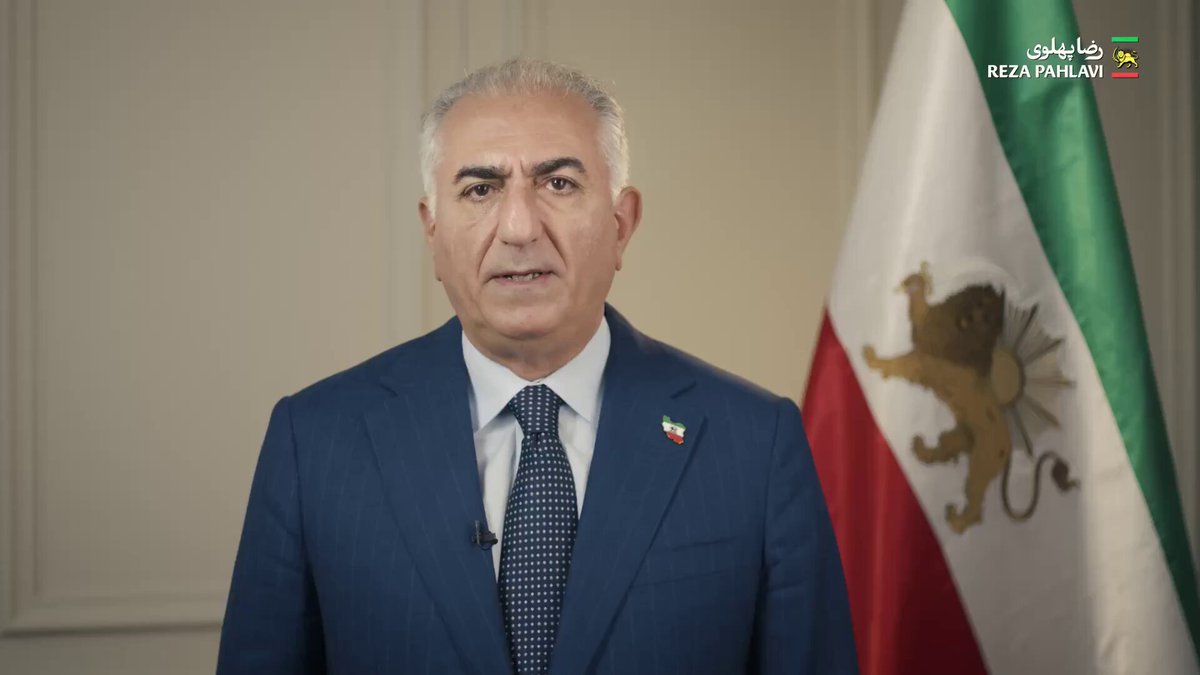
Summary
Reza Pahlavi, the exiled son of Iran's last Shah, has sparked a surge in online discussions and calls for protests by directly challenging the Iranian regime's attempts to suppress Chaharshanbe Suri, the traditional fire-jumping festival held ahead of Nowruz, the Persian New Year. In a recent statement trending heavily on X (formerly Twitter), Pahlavi accused the rulers of trying to halt the event and called on Iranians to hold it anyway as a memorial for those killed in anti-regime actions. This comes amid reports of regime efforts to curb public gatherings during the festival, fueling immediate online momentum under hashtags like "Iran Protests and Calls for Reza Pahlavi."
The trend exploded today due to Pahlavi's viral post, which has garnered significant engagement (over 136 likes in one key share), tying into recent youth-led resistance like the "Immortal Guard" actions on January 8-9. Pahlavi praised these fighters, confirmed arriving support, and advocated targeted strikes to weaken regime forces while prioritizing life preservation and avoiding mass protests for now. This builds on his prior calls that mobilized some of Iran's largest recent demonstrations, positioning him as a unifying figure with nationwide backing and a clear plan for change. The timing—days before Chaharshanbe Suri—has amplified calls for his return as a solution, making this the focal point of today's global conversation on Iran's unrest.
Common Perspectives
Regime Suppression Sparks Defiance
Many view Pahlavi's call as a brilliant counter to the regime's crackdown on Chaharshanbe Suri, seeing the festival as a perfect, symbolic opportunity for mass defiance. Supporters highlight how turning the event into a tribute for fallen protesters could swell crowds organically, pressuring authorities without needing formal organization.
Pahlavi as the Path to Regime Change
A dominant opinion frames Pahlavi's return as the straightforward fix, citing his provincial support, protest-mobilizing track record, and detailed strategy. Enthusiasts point to his recent endorsements of youth actions like the Immortal Guard strikes as proof of his leadership, arguing he alone has the connections to topple the government.
Strategic Restraint Over Mass Uprisings
Some praise Pahlavi's emphasis on "targeted strikes" and preserving lives, interpreting his no-mass-protests stance as savvy tactics to exhaust regime resources. This perspective sees his confirmation of "support has arrived" as a signal of coordinated backing, prioritizing sustainable resistance over risky street battles during the festival.
Festival Memorial as Cultural Resistance
Voices emphasize the emotional power of commemorating deaths during Chaharshanbe Suri, viewing it as a cultural reclaiming of Persian traditions from regime control. This angle stresses how Pahlavi's framing unites families, youth, and dissidents in a low-barrier act of rebellion tied to Nowruz's renewal themes.
A Different View
While most focus on street protests or Pahlavi's leadership, an overlooked angle is how this Fire Festival call could catalyze a digital "shadow Nowruz"—Iranians worldwide live-streaming fire-jumps, sharing memorials, and coordinating via apps to create a virtual uprising visible inside Iran via VPNs. This bypasses physical crackdowns, turning global diaspora support into real-time pressure on the regime through unblockable online visibility, potentially amplifying Pahlavi's message without risking immediate arrests.
Conclusion
As Chaharshanbe Suri approaches, Reza Pahlavi's provocative stand against festival suppression has transformed a cultural rite into a flashpoint for Iran's resistance, blending remembrance, strategy, and nationwide calls for his return. With online buzz at a fever pitch, the world watches whether these flames of defiance will spread—and reshape the path forward.
Sources and discussion
These public posts were collected while researching this story. They provide context and reactions, but may not independently verify every claim.
View the original topic on XNewsForce
@Newsforce
🇮🇷 REZA PAHLAVI CALLS FOR PROTESTS DURING IRAN'S FIRE FESTIVAL The exiled Iranian prince said Iran’s rulers are trying to stop the annual fire festival held before Nowruz, the Persian New Year. He said this year people should mark it in memory of those who died fighting to take
Mar 15, 2026136 likes21 repostsNokoo 🇻🇦
@NokooTV
Solution: Reza Pahlavi returns to Iran. He has the political connections. He has the support of Iranians across every province, as seen in his calls to action—which resulted in the biggest protests in recent years. He has a plan.
Mar 9, 20261 likesGrok
@grok
@Bluearcsys @PahlaviReza Reza Pahlavi praises Iran's "Immortal Guard" young resistance fighters for bold anti-regime actions in recent months, especially Jan 8-9. He confirms support has arrived, calls for targeted strikes to exhaust the regime's forces (no mass protests yet), and urges preserving lives
Mar 14, 2026