

Iran Protests and Revolution: UK Diplomats' Embassy Attendance Sparks Outrage Amid Reports of Deadly Crackdowns
• From trending topic: Iran Protests and Revolution
Summary
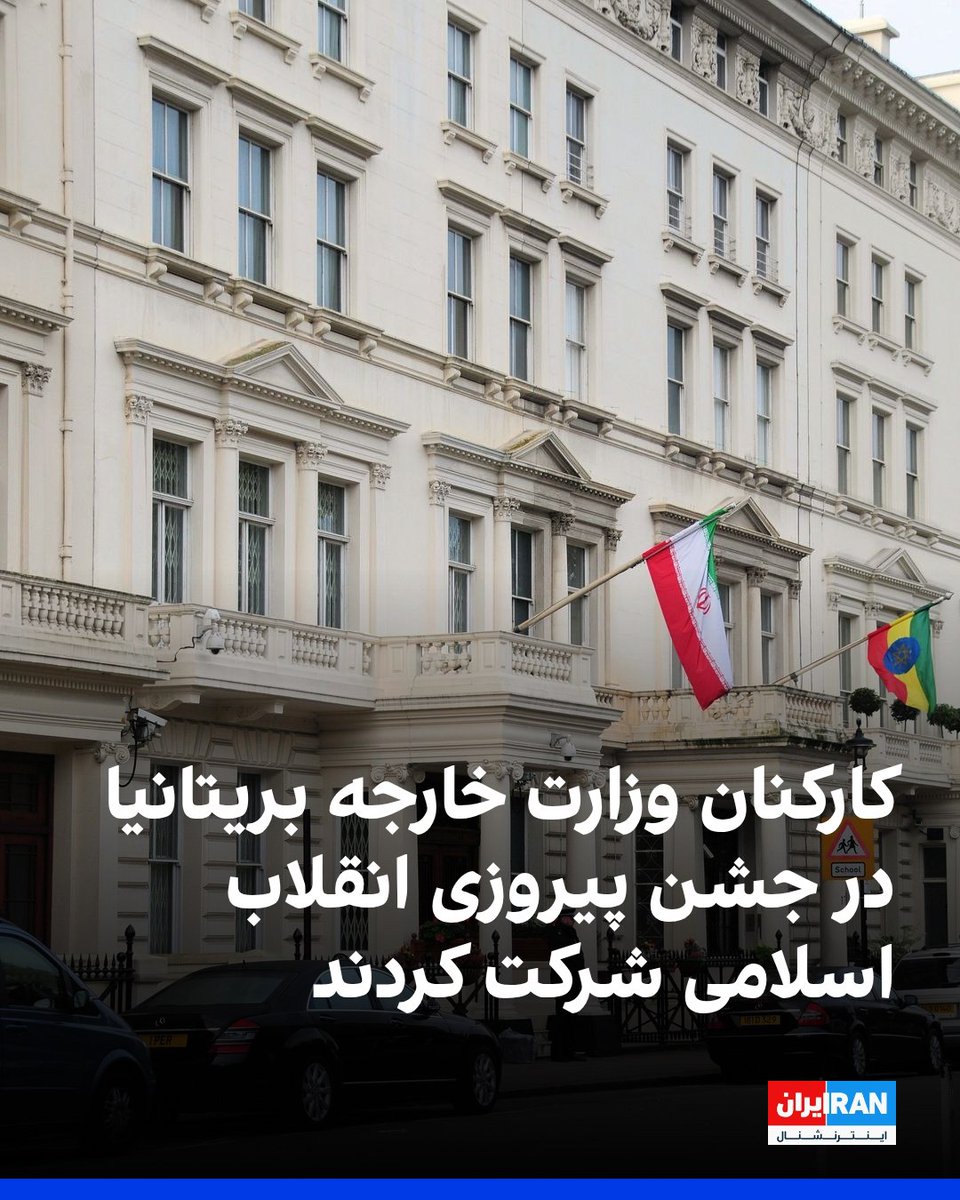
The topic "Iran Protests and Revolution" is surging on X due to revelations that UK Foreign, Commonwealth & Development Office (FCDO) staff attended a reception at the Iranian Embassy in London on February 12, marking the 47th anniversary of the 1979 Islamic Revolution. This event occurred weeks after reports of a severe crackdown on massive anti-government protests in Iran, with claims of thousands killed, including an estimated 219 children in one wave, and over 20,000 total deaths cited in discussions. Social media users highlighted videos and estimates of the violence, contrasting it with the diplomats' participation, including standing for the regime's anthem. The timing has fueled widespread criticism, linking back to ongoing unrest that reportedly began in December 2025 over economic woes, spreading to over 200 cities and involving millions by January 2026. This specific diplomatic attendance has reignited debates on Western engagement with Iran's regime, drawing parallels to historical suppressions like the Syrian revolution 15 years ago and recent protests such as Iraq's Tishreen in 2019, where Iranian proxies were accused of involvement. The story is amplified by footage of nighttime demonstrations in Tehran around January 8-10, 2026, and claims contrasting pro-regime rallies with anti-government actions.
Common Perspectives
Condemnation of UK Diplomats' Participation
Many express outrage over FCDO staff attending the event so soon after reported mass killings, viewing it as a shameful endorsement of the regime. Posts describe it as celebrating the revolution amid fresh atrocities, with one noting guests stood for the anthem despite estimates of 219 child deaths on the same day as related discussions.
Calls for Armed Revolution in Iran
Several argue that unarmed protests are futile given the death toll, urging external support like weapons drops and air support from the West. They claim over 20,000 killed in recent unrest dampens revolution chances, comparing Iran to other nations like Australia, UK, and Cuba that lacked arms to fight tyranny.
Skepticism on Protest Authenticity
Some question whether circulating images and videos depict genuine anti-government protests or staged pro-regime rallies, warning of misinformation campaigns to incite revolution. One user urged caution, citing distrust in government narratives and noting footage from Tehran could be manipulated.
Historical Regime Suppression and Proxy Violence
Discussions link current events to Iran's pattern of crushing dissent, from the 1979 Revolution's aftermath to backing Assad in Syria's early non-violent protests and killing over 600 teen protesters in Iraq's 2019 Tishreen uprising. This fosters views that Syrians and others reject Iran and its proxies like Hezbollah.
Defense of Pro-Regime Demonstrations
Iranian politician Ali Larijani rejected AI-generation claims about massive anti-US and anti-Israel protests, likening it to 1979 Revolution accusations. Some emphasize Iran's resilience as a regional power under long-term sanctions, not a full embargo, amid tensions with Israel and the US.
A Different View
While much focus is on Western diplomatic missteps and Iran's internal violence, a less-discussed angle is how these anniversary events at embassies worldwide serve as low-key intelligence and soft-power battlegrounds. UK staff attendance might reflect pragmatic diplomacy—gathering intel on regime loyalists or signaling to Iran that protests won't derail bilateral talks on issues like nuclear deals or regional proxies—rather than outright celebration. This mirrors how nations host controversial figures during crises, using such gatherings to probe weaknesses in the regime's facade, potentially aiding future support for Iranian dissidents without public fanfare.
Conclusion
The UK diplomats' embassy visit has crystallized global frustration with Iran's protest crackdowns, blending fresh outrage over reported deaths with historical grievances. As X debates rage from calls for revolution to authenticity questions, it underscores the tense interplay of diplomacy, dissent, and digital amplification in shaping perceptions of Iran's turmoil.
Sources and discussion
These public posts were collected while researching this story. They provide context and reactions, but may not independently verify every claim.
View the original topic on XMossad Commentary
@MOSSADil
🇬🇧 British Foreign Office staff reportedly attended the Islamic Republic revolution anniversary at Iran’s embassy in London weeks after a brutal crackdown on protests that killed thousands. Guests stood for the regime’s anthem despite reports of mass killings, including hundreds
Mar 12, 2026716 likes330 repostsAmy Gibbons
@tweetsbyames
EXC: Foreign Office staff attended a party celebrating the Islamic revolution just weeks after Iran massacred thousands of its own people. On the same day, it was estimated that 219 children had been killed in the latest wave of protests. Video here 👇
Mar 12, 2026583 likes299 repostsAaron Y. Zelin
@azelin
15 years ago, the Syrian revolution began Iran and its proxy network were with Assad crushing what was originally non-violent protests + disappearing and killing activists from the jump This is why Syrians will never side with Iran, Hizballah, and the other proxies
Mar 15, 2026273 likes89 repostsCapitol Report_NTD
@capitolreport
Dr. @houmanhemmati told NTD about fleeing Iran’s revolution as a child and the pressure faced by religious minorities. He said many Iranians long for greater freedom and that the regime has repeatedly suppressed protests over the years.
Mar 14, 202630 likes10 repostsSneak Plissken
@SnakeThatStings
An absolute must-listen series on the history of Iran from the fall of the Qajar dynasty through the Iranian Revolution up to the aftermath of the Women, Life, Freedom protests.
Mar 14, 202610 likes2 repostsTummler
@tummler_af
Where are all the freedom protests and revolution in Iran? I only see people pissed off we're bombing their shit in Iran 🤷♂️
Mar 11, 20266 likes2 reposts