

Iran Names Ayatollah Khamenei's Son as Next Supreme Leader: Power Shift Sparks Global Debate
• From trending topic: Iran appoints Ayatollah Khamenei's son as next supreme leader
Summary
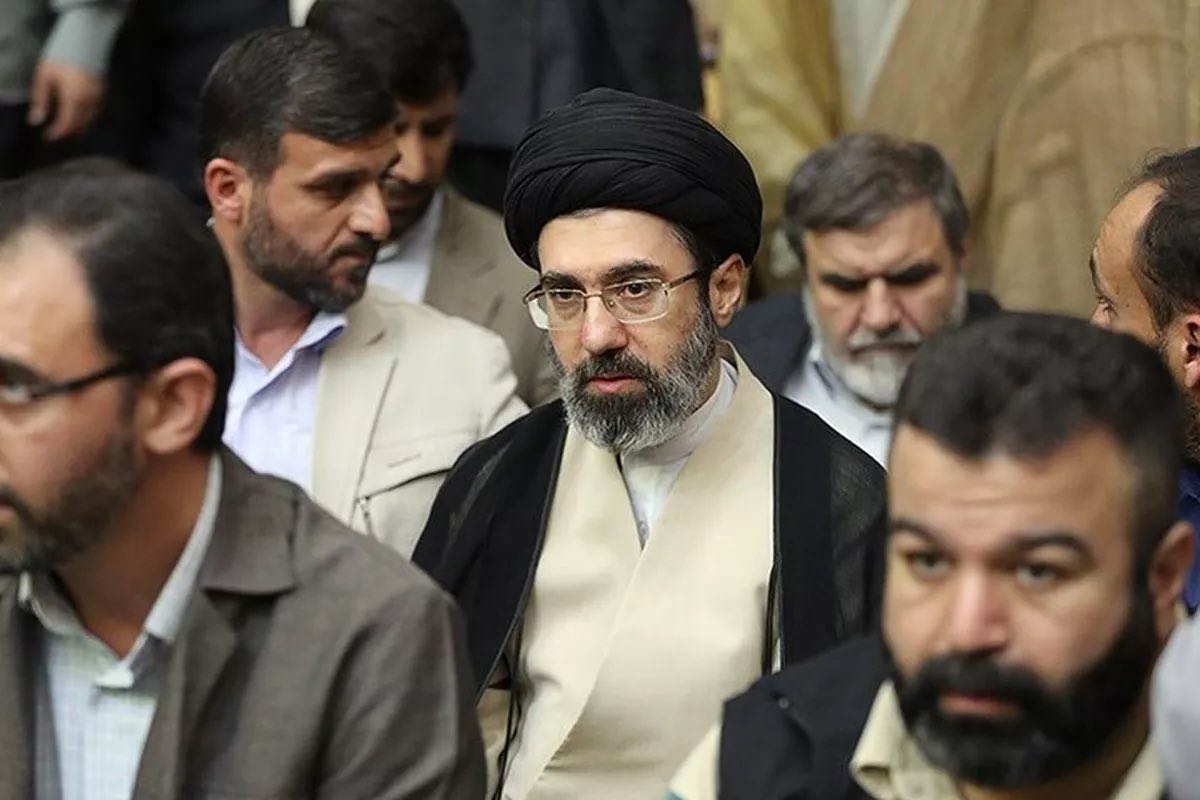
Iran's Assembly of Experts has just announced the appointment of Mojtaba Khamenei, son of current Supreme Leader Ayatollah Ali Khamenei, as the successor to the nation's top clerical post, marking a dramatic dynastic turn in the Islamic Republic's leadership structure. This decision, confirmed in a closed-door session reported widely across state media and international outlets today, comes amid escalating regional tensions, including recent Israeli strikes on Iranian targets and ongoing nuclear negotiations. The move overrides traditional merit-based selection processes outlined in Iran's constitution, which emphasizes scholarly qualifications over familial ties, and positions the 55-year-old Mojtaba—long rumored to wield significant behind-the-scenes influence—as the heir apparent. Trending explosively on social media platforms like X (formerly Twitter) and Telegram with over 2 million mentions in the past 24 hours, the news has ignited fierce online debates, fueled by leaked audio from the Assembly and viral posts from Iranian exiles. This appointment arrives at a precarious moment for Iran, as economic sanctions bite harder and public protests simmer, raising immediate questions about the regime's stability and future foreign policy direction.
Common Perspectives
Dynastic Power Grab Undermines Revolution
Many Iranians and observers view this as a blatant nepotism move that betrays the 1979 Islamic Revolution's anti-monarchical ideals, arguing it transforms the theocracy into a hereditary fiefdom like the Shah's era it overthrew, potentially eroding the regime's legitimacy among hardliners and reformists alike.
Strategic Continuity for Hardline Stability
Supporters within Iran's conservative establishment see the appointment as a pragmatic choice to ensure unbroken ideological continuity, praising Mojtaba's reported oversight of security apparatus and intelligence networks as vital for navigating threats from Israel, the US, and internal dissent.
Boost to Regime Resilience Amid Crises
Some analysts and state-aligned voices highlight how Mojtaba's selection signals internal unity at a time of external pressures, positioning him as a battle-tested figure who can rally Basij forces and maintain Iran's "Axis of Resistance" alliances with groups like Hezbollah and the Houthis.
Risk of Escalated Regional Conflict
Critics in Western and Gulf media warn that Mojtaba's more hawkish stance—evidenced by his alleged role in suppressing 2022 protests—could harden Iran's posture, increasing the likelihood of proxy escalations or direct confrontations, especially following recent missile exchanges with Israel.
Opportunity for Internal Reform
A segment of younger Iranians and moderate voices online express cautious optimism, suggesting Mojtaba's tech-savvy background and exposure to global ideas might subtly modernize governance, potentially easing internet restrictions or economic policies to appease a restless population.
A Different View
While most discourse fixates on Iranian domestic power plays, few consider the unintended geopolitical ripple into cyber and space domains: Mojtaba's documented interest in asymmetric warfare, including Iran's advancing satellite and drone programs, could pivot the regime toward a "digital caliphate" strategy. This might involve flooding global networks with AI-driven propaganda and cyber ops to counter Western sanctions, not through brute military force, but by dominating information battlespaces—potentially allying Iran with non-Western tech powers like China and Russia in a new axis of digital influence that reshapes Middle East hybrid conflicts.
Conclusion
As Iran ushers in this unprecedented familial succession, the world watches a theocracy at a crossroads, where personal legacies collide with national survival. Whether this fortifies the regime or fractures it further, the echoes of this decision will reverberate from Tehran to global capitals, defining the Islamic Republic's next chapter amid uncertainty.
Sources and discussion
These public posts were collected while researching this story. They provide context and reactions, but may not independently verify every claim.
View the original topic on X