

Claim of Unredacted Epstein-File Access for All of Congress Spreads Faster Than Confirmation
• From trending topic: Congress Offered Full Access to Epstein Files
Summary
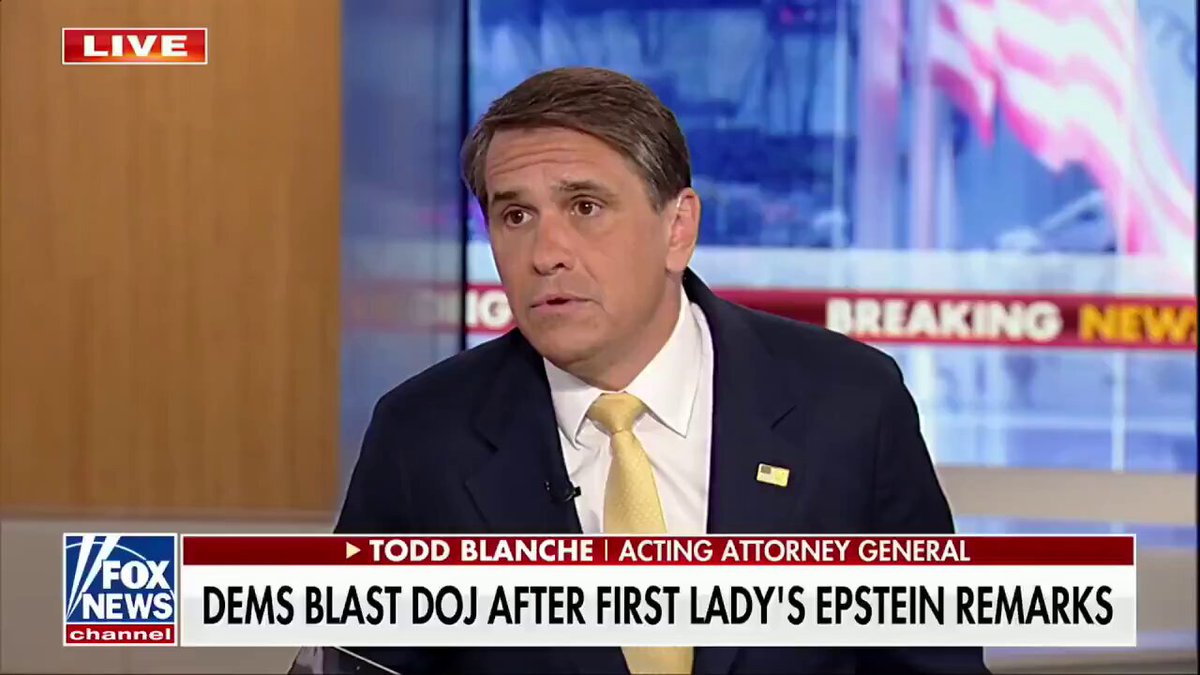
A cluster of nearly identical posts on X is circulating a striking assertion: Acting Attorney General Todd Blanche has offered every member of Congress full, unrestricted, unredacted access to the Justice Department’s Jeffrey Epstein files. The posts insist there would be no black bars and no remaining excuses. They do not attach an official letter, a department statement, a date, or any description of the conditions under which that review would occur.
Those omissions are the story as much as the claim. “Access” on Capitol Hill can mean a classified briefing, supervised reading in a secure facility, or something closer to a working copy that staff can study. Those arrangements often bar members from quoting, photocopying, or discussing what they saw. The viral wording treats an offer to Congress as the end of secrecy. Nothing in the circulating material establishes that the public would see the same records, that court-sealed or grand-jury material is included, or that Blanche has confirmed the description now attached to his name.
The Epstein records have been a running fight for years: piecemeal court releases, remaining seals, accusations that both parties have people to protect, and a public that has come to treat every redaction as evidence of a cover-up. An unredacted congressional review, if it exists on the terms being advertised, would be a real institutional shift. It would still be a different act from declassification or a public dump.
Common Perspectives
The vault is finally open to people who can act
People who have followed the case for years read the posts as the first serious crack in official filtering. In this view, courts and prosecutors have already had their chance; elected members should now see the same pile and be forced to answer for what they do with it. The appeal is moral and simple: if everyone in Congress can read the files, continued silence starts to look like complicity. The assumption is that access produces exposure, and that members will use what they learn in the public interest rather than sit on it.
An offer to Congress is not a release to the country
A more institutional reading, common among former Hill staff, lawyers, and transparency researchers, is that the viral posts collapse two different things. Members of Congress have been shown sensitive files before with little change in what the public knows. If the review happens under standard security rules, “no black bars” for a senator does not mean no black bars for everyone else. This view appeals to people tired of breakthrough language that leaves the underlying records untouched. Its trade-off is patience: it can sound like process-splitting to readers who already believe process is the method of concealment.
Unredacted is not a victimless word
Victim advocates and some prosecutors have long argued that the remaining unreleased material is not only a list of famous names. It can include minors’ identities, addresses, medical detail, and statements given under the expectation they would not be broadcast. Full congressional access, even before any leak, multiplies the number of people who hold that information. This view is less interested in partisan score-settling than in the human cost of treating every page as public property. The hard trade-off is real: privacy for people who were exploited can look, from the outside, like protection for people who exploited them.
The point is to move the blame
Skeptics of both parties treat the reported offer as a political instrument. If the Justice Department can say Congress has seen everything, the next failure—no prosecutions, no names, no further release—belongs to the House and Senate. That reading appeals to people who think the Epstein fight has always been about who holds the hot potato. It assumes motive from structure: an administration that offers review without a public-release mechanism may be buying the appearance of transparency while keeping control of the archive. It can also underrate a simpler possibility, which is that the department is trying to end an argument it is losing.
A Different View
The more neglected problem is what universal access does to the information itself. Once every member can claim to have seen the same unredacted files, the country does not automatically get a shared record. It gets a leaking contest. Individual lawmakers can surface the fragments that wound their opponents, stay quiet about the fragments that wound their allies, and wrap both choices in the authority of having “read the files.” The public still cannot check the pile.
That is a systems problem, not just a sincerity test. Demand has shifted from investigation to raw documents because courts, the Justice Department, and Congress have all lost the standing to summarize what the files contain. Offering every member a look may feed that demand without repairing it. The fight then stops being “what is hidden” and becomes “whose excerpt is the truth,” which is a poorer form of secrecy rather than the end of it.
Conclusion
The first facts to pin down are ordinary ones: whether the Justice Department has confirmed an offer, what corpus it covers, and under what rules members may read, copy, or discuss it. Until those are public, the viral account is a claim about transparency, not a demonstration of it. What follows—if the offer is real—will be less about a single dramatic unveiling than about whether any common, checkable record ever leaves the room.
Sources and discussion
These public posts were collected while researching this story. They provide context and reactions, but may not independently verify every claim.
View the original topic on XJohn Fitzgerald Kennedy Jr.
@MrJohnJnr
🚨🚨 BREAKING: TOTAL TRANSPARENCY BOMBSHELL 🚨🚨 Acting Attorney General Todd Blanche just DROPPED THE HAMMER: Every single member of Congress — EVERY ONE — has been offered FULL, UNRESTRICTED, UNREDACTED access to the ENTIRE Epstein files. No black bars. No secrets. No excuses.
Aug 15, 2026119 likes41 repostsDAMESCORPIO
@DAMESCORPIdmhh
🚨 BREAKING: TOTAL TRANSPARENCY BOMBSHELL 🚨🚨 Acting Attorney General Todd Blanche just DROPPED THE HAMMER: Every single member of Congress — EVERY ONE — has been offered FULL, UNRESTRICTED, UNREDACTED access to the ENTIRE Epstein files. No black bars.
Aug 16, 20261 likesPromethean Updates News
@PrometheanUpd
🚨🚨 BREAKING: TOTAL TRANSPARENCY BOMBSHELL 🚨🚨 Acting Attorney General Todd Blanche just DROPPED THE HAMMER: Every single member of Congress — EVERY ONE — has been offered FULL, UNRESTRICTED, UNREDACTED access to the ENTIRE Epstein files. No black bars. No secrets. No excuses.
Aug 15, 20261 likesMayegun
@mayegun1805
According to a report by DAILY POST on Saturday 15 August 2026; African Action Congress (AAC) presidential candidate for the 2027 election, Omoyele Sowore, has taken a swipe at Afrobeats singer, Davido, over his involvement in the ongoing Osun State governorship election. Sowore
Aug 15, 20265 likes3 repostsAbhiram Garapati For Congress
@abhiramgarapat2
Recently released court documents revealed that Playboy founder Hugh Hefner reportedly repeatedly contacted the FBI on behalf of a Playboy playmate who was allegedly trafficked and raped by Jeffrey Epstein. The individual asked Hefner to reach out to federal authorities on her
Aug 15, 20262 likes1 repostsZach Jones - Secretary of Psyops
@ZachJones1994
LUKE ROSIAK TESTIFIES TO CONGRESS & JAMES COMER HOW ONE SINGLE ADDRESS IN OHIO HAD 94 REGISTERED COMPANIES, ALL COMMITTING MEDICAID FRAUD JAMES COMER: “How many providers did you see located at the same address? And why is that a red flag for fraud?” LUKE ROSIAK: “Well, in one
Aug 16, 20261 likes