

Channel 9 Faces Backlash After Karl Stefanovic's Tommy Robinson Interview Sparks Internal Fallout
• From trending topic: Channel 9 fires/sidelines Karl Stefanovic over Tommy Robinson interview
Summary
Right now, Channel 9 is dealing with a rapid and vocal public reaction after pulling an interview that Today show host Karl Stefanovic conducted with British activist Tommy Robinson. The network first asked Stefanovic to remove the segment from his social-media accounts, then sidelined him from on-air duties while it reviews the situation. The decision followed what multiple social-media users describe as coordinated pressure from activist groups threatening advertiser boycotts. Within hours, the story moved from niche online debate to widespread discussion across Australian platforms, with viewers accusing the network of censorship and supporters of the network arguing it was protecting its brand. The speed of the response—removing the clip and then removing Stefanovic—has turned the episode into the day’s dominant media story in Australia.
Common Perspectives
Viewers accuse Channel 9 of caving to outside pressure
Many Australians on X argue the network acted out of fear rather than principle. They point to the quick sequence of events—first deleting the interview, then sidelining Stefanovic—as evidence that Channel 9 prioritised avoiding controversy over allowing an unfiltered conversation. Posts claim the move proves Robinson’s long-standing argument that mainstream outlets suppress dissenting voices on immigration and Islam.
Supporters say Stefanovic crossed a line by endorsing Robinson’s views
Another strand of commentary maintains the interview went beyond neutral questioning. Critics say Stefanovic appeared to agree with Robinson’s positions rather than simply platforming them, leaving Channel 9 little choice but to distance itself. They frame the decision as a standard brand-protection step, not political censorship.
Advertiser leverage is the real driver
Several posts focus on the commercial angle: once activist groups threatened boycotts, Channel 9’s advertising team reportedly stepped in. In this reading, the network’s priority was revenue protection, and Stefanovic became collateral damage. The episode is cited as an example of how quickly corporate Australia responds when revenue is at stake.
Stefanovic gains freedom by leaving mainstream constraints
A growing number of comments portray the sidelining as an opportunity. Observers note that Stefanovic’s comedic persona and large following could translate into a successful independent platform—podcasts, YouTube, or subscription content—where editorial restrictions are lighter. Some users say they will follow him there instead of continuing to watch Today.
A Different View
What if the real story is not about Stefanovic or Robinson at all, but about how Australian broadcasters now operate under an informal “risk budget”? In this frame, every interview carries a calculable downside: potential ad-pull, social-media pile-on, or internal reprimand. Networks appear to be pre-emptively trimming that budget by limiting who can appear and in what tone. The Stefanovic episode may simply be the latest data point showing how that risk calculus is reshaping morning television faster than any single presenter or activist campaign.
Conclusion
The Channel 9–Karl Stefanovic–Tommy Robinson episode is still unfolding, but the immediate effect is clear: an interview that lasted minutes has triggered an internal review, public debate over free speech, and questions about how commercial media will handle contentious guests in the future. Whether Stefanovic returns to the Today desk or steps into an independent space, the conversation he started is unlikely to disappear quickly.
Sources and discussion
These public posts were collected while researching this story. They provide context and reactions, but may not independently verify every claim.
View the original topic on XJackson Moon
@jacksonmoon
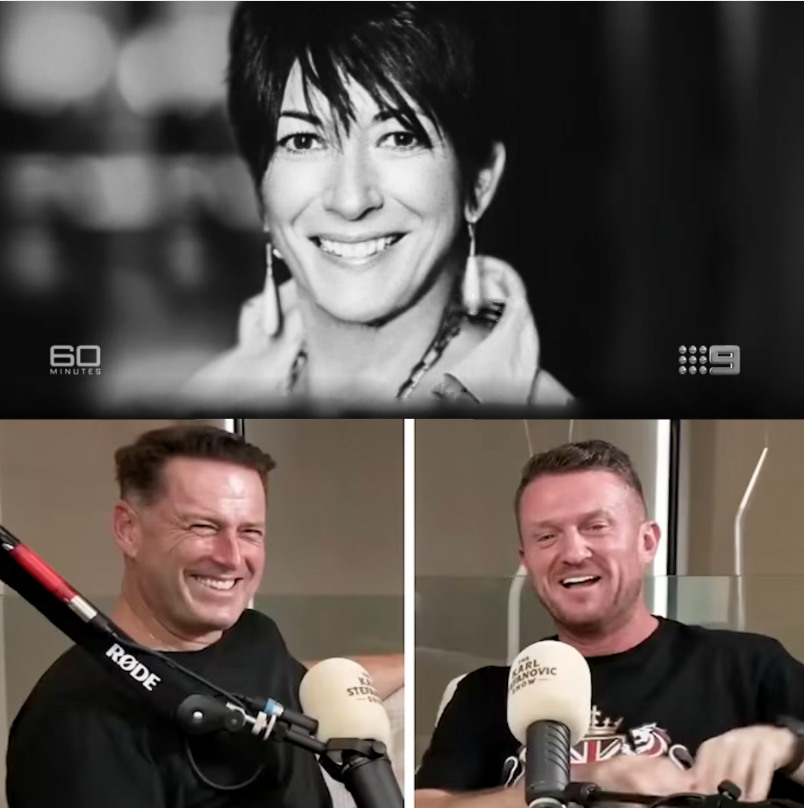
Please explain: Channel 9 airs a story on Ghislaine Maxwell — found guilty of enticement and transport of minors to travel to engage in illegal sex acts — but loses its shit over Karl Stefanovic's interview with Tommy Robinson.
Jun 24, 20261 likesDee Stars🌠
@Deeztars
@DrewPavlou @karlstefanovic @TRobinsonNewEra Tbe irony is that Tommy and Karl stand for free speech. Tommy has made a movie on being SILENCED and Channel 9 just proved him correct.
Jun 24, 20261 likesMad
@Madstar42
@DrewPavlou @TRobinsonNewEra @karlstefanovic Was fair he’s not just interviewing but expressing he agreed with his Nazi views more than a cold proper journalist interview and channel 9 cant associate with that
Jun 24, 20261 likesMr woof
@SamFrost1148003
@TRobinsonNewEra @karlstefanovic People of Australia will boycott channel 9 over this ! Good I can’t stand their biased media coverage anyway . Good riddance channel 9 . No one even watches your news anymore anyway
Jun 24, 2026Jayde "Hector" Herrick🇦🇺 🏏
@Hector_Herrick
@TrigwellMatt @andrewbogut @karlstefanovic I'm naive lol. I support a business making a business decision LOL. You still didn’t answer the question: how that interview, which it was, and all of his shows are interviews, affected the business directly at Channel 9?
Jun 24, 2026Bender
@Bender_Aus
Not quite Sam. Channel 9 complied with MFW threats to launch a boycott campaign and forced Karl to pull his interview from socials, after they saw how quickly this happened they then demanded channel 9 remove him from his Today show job. Here's where his network steps in,
Jun 24, 20267 likes1 reposts