

Canada Seeks Court Order to Withhold Sensitive Evidence in Nijjar Murder Case Amid National Security and Diplomatic Concerns
• From trending topic: Canada seeking court order to withhold evidence in Nijjar murder case over international relations risks
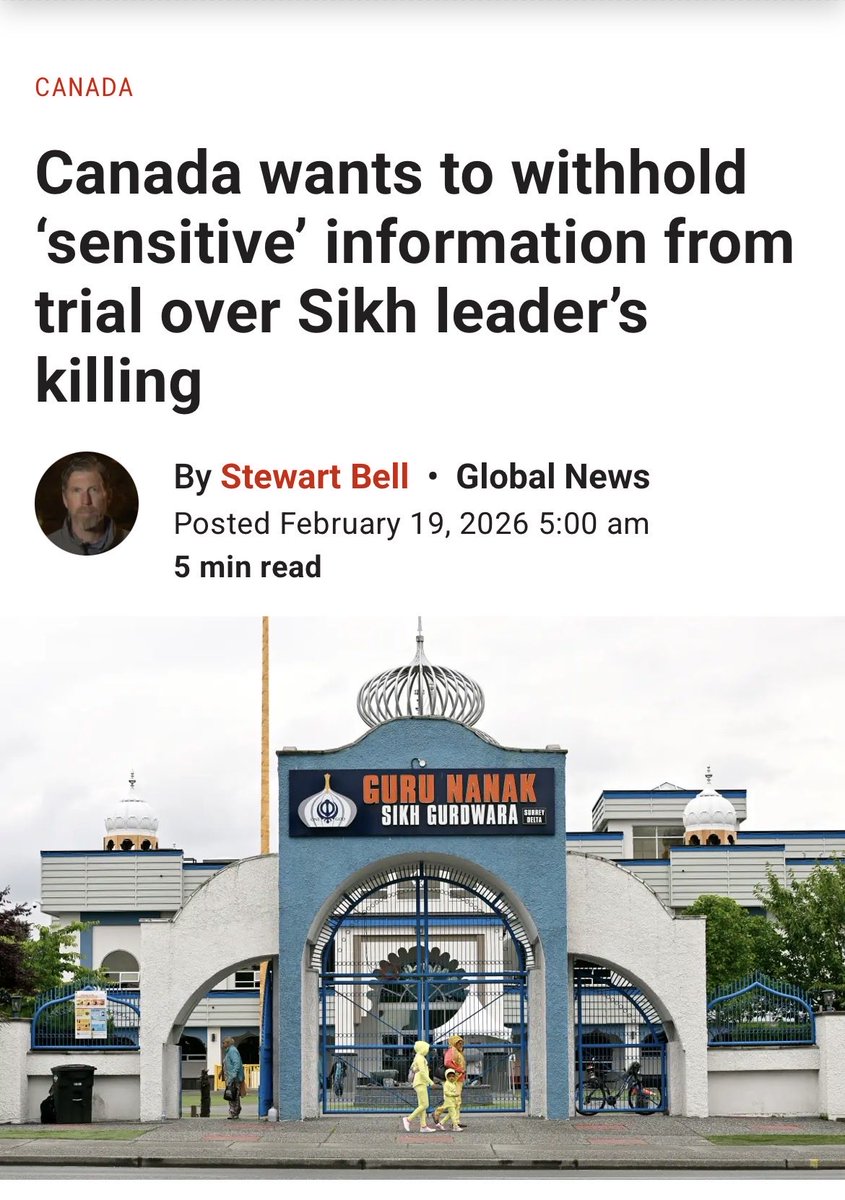
Summary
Canada's Justice Department has filed for a court order to withhold sensitive national security evidence in the high-profile murder trial of Hardeep Singh Nijjar, the Sikh separatist leader killed in British Columbia in 2023. This move, which surfaced in recent court filings and sparked widespread discussion on platforms like X, cites risks to national security and international relations as key reasons for secrecy. The application argues that disclosing the classified material could harm ongoing intelligence operations and strain diplomatic ties, particularly with India, which has been accused by Canadian officials of involvement in Nijjar's killing—a claim New Delhi denies.
The topic exploded in trends today due to fresh X posts highlighting the Justice Department's push, including one with over 59 likes noting the tension between secrecy and calls for transparency from the Sikh community. This comes at a sensitive time, as the trial involves four Indian nationals charged with first-degree murder and conspiracy, and amid broader allegations of foreign interference targeting Sikh Canadians. Proponents of the order emphasize protecting sources and methods, while critics argue it undermines public trust in a case already mired in geopolitical friction. The court's decision could set a precedent for balancing classified information in terrorism-related prosecutions.
Common Perspectives
National Security Must Come First
Many support the Justice Department's request, arguing that revealing sensitive evidence could endanger intelligence assets, compromise future operations, and invite retaliation from foreign actors. They view the order as a standard safeguard in cases involving international espionage and targeted killings.
Transparency Essential for Sikh Community Trust
Sikh advocacy groups and community members stress that withholding evidence erodes faith in the justice system, especially given allegations of foreign interference and the targeting of Sikh activists. They contend full disclosure is crucial to ensure a fair trial and address historical concerns about state-sponsored violence against their community.
Diplomatic Damage from Public Disclosure
Some highlight the international relations angle, pointing out that exposing the evidence might escalate tensions with India, a major global player, potentially affecting trade, migration, and bilateral cooperation. This perspective prioritizes discreet handling to avoid broader fallout.
Risk of Trial Delays and Injustice
Critics worry the secrecy bid could prolong proceedings, complicate the defense, and lead to perceptions of a cover-up, ultimately weakening the case against the accused and leaving Nijjar's death unresolved for his supporters.
Precedent for Government Overreach
Others see this as part of a pattern where governments invoke "national security" too broadly, potentially shielding accountability in politically charged cases and setting a dangerous example for future high-stakes trials.
A Different View
Rather than framing this as a binary clash between secrecy and transparency, consider how the court's handling could inadvertently boost Canada's intelligence-sharing alliances. By securing classified evidence under strict controls, Ottawa might demonstrate reliability to partners like the Five Eyes network, encouraging more cross-border cooperation on Sikh extremism probes—potentially yielding breakthroughs in unrelated global threats without public fanfare. This angle positions the order not as evasion, but as a strategic pivot toward quieter, more effective multilateralism.
Conclusion
As the court weighs Canada's bid to seal Nijjar case evidence, the debate underscores the tightrope between safeguarding secrets and upholding justice in an era of transnational intrigue. The outcome will ripple through legal, diplomatic, and community spheres, shaping how Canada navigates accountability amid global pressures.
Sources and discussion
These public posts were collected while researching this story. They provide context and reactions, but may not independently verify every claim.
View the original topic on X