

US Demands $5 Trillion from Gulf States to Continue War on Iran: Omani Journalist's BBC Revelation Sparks Global Outrage
• From trending topic: US Demands $5 Trillion from Gulf States to Continue War on Iran
Summary
The trending topic "US Demands $5 Trillion from Gulf States to Continue War on Iran" exploded on X today following a bombshell revelation by Omani journalist and international relations researcher Salim Al-Jahouri (also referred to as Salem Al-Jahuri) during a BBC News Arabic interview. Al-Jahouri claimed that U.S. President Donald Trump has issued an ultimatum to Gulf Cooperation Council (GCC) states: pay $5 trillion to sustain ongoing U.S. military operations against Iran, or $2.5 trillion to secure an end to the conflict. This statement, shared widely in clips and posts, has ignited massive online debate amid heightened Middle East tensions, including reports of U.S. and Israeli strikes on Iranian targets, Iran's missile launches, and reactions from global powers like China and India.
It's trending right now due to the viral spread of Al-Jahouri's interview excerpt, amplified by posts garnering hundreds of likes and retweets, coinciding with real-time escalations such as Iran's Supreme Leader Ali Khamenei's Nowruz message declaring victory over the "enemy," Chinese condemnations of assassinations of Iranian officials, and discussions of Pentagon funding requests for strikes on Iran. The claim frames the U.S.-Iran shadow war—marked by recent alleged U.S. strikes on Iranian sites and retaliatory actions—as a pay-to-play enterprise, fueling speculation on war profiteering just as diplomatic calls intensify between leaders like those of Iran and India.
Common Perspectives
War as Big Business
Many X users view the alleged demand as proof that modern conflicts are driven by profit, with posts questioning if "war is really big business?" They point to the staggering $5 trillion figure as evidence of U.S. strategy to extract funds from oil-rich Gulf allies to offset military costs.
GCC Under Intense Pressure
Commentators highlight the "alarming reports of intense US pressure on GCC states," portraying Gulf nations as caught between funding endless war or buying peace, with Al-Jahouri's BBC appearance seen as a whistleblower moment exposing unequal alliances.
Anti-US and Pro-Iran Solidarity
Posts amplify Iranian narratives, linking the claim to broader "military aggression by the US and the Zionist regime against Iran," as in reports of leader Modi-Khamenei talks, framing the U.S. demand as imperial extortion amid Iran's missile tests and Khamenei's victory claims.
Global Powers Push Back
Reactions from China condemning assassinations and opposition to force in international relations, alongside UN and think-tank mentions, reflect views that the demand risks broader escalation, drawing in powers like Beijing and complicating regional stability.
Economic and Diplomatic Fallout Fears
Users express alarm over oil supply disruptions and international relations crises, tying the trending claim to Pentagon's reported $200 billion strike funding requests and volatile Middle East dynamics.
A Different View
While most focus on the $5 trillion as outright extortion, consider it through the lens of realpolitik bargaining in a resource-driven region: Gulf states, heavily reliant on U.S. security guarantees against Iran, might see this as a high-stakes negotiation tactic to redistribute defense costs, similar to past U.S. demands during the Gulf Wars. Rather than pure profiteering, it could signal Trump's push for "America First" burden-sharing, forcing oil giants to invest in their own protection amid rising Iranian threats—potentially stabilizing alliances if met with counteroffers, turning a viral scandal into a catalyst for formalized pacts.
Conclusion
Al-Jahouri's BBC revelation has transformed a niche diplomatic whisper into a global firestorm, blending unverified claims with live conflict updates to dominate X feeds. As Gulf leaders weigh responses amid missile exchanges and superpower posturing, this trend underscores how quickly financial ultimatums can redefine wars, alliances, and economies in the volatile Middle East.
Sources and discussion
These public posts were collected while researching this story. They provide context and reactions, but may not independently verify every claim.
View the original topic on Xkakashi_in_2026
@openfish3
war is really big business? ========== Omani journalist and international relations researcher Salim Al-Jahouri revealed on BBC News Arabic that U.S. President Donald Trump has demanded Gulf states pay $5 trillion to continue the war against Iran, or $2.5 trillion to end it.
Mar 23, 2026manolo639
@manolo63921
🚨 BREAKING: "If you want the war to continue — $5 trillion. If you want it to end — $2.5 trillion." Omani journalist & international relations researcher Salem Al-Jahuri (@SalemAlJahuri) reveals on #BBCArabic alarming reports of intense US pressure on #GCC states to pay massive
Mar 20, 20261 likes1 repostsTehran Times
@TehranTimes79
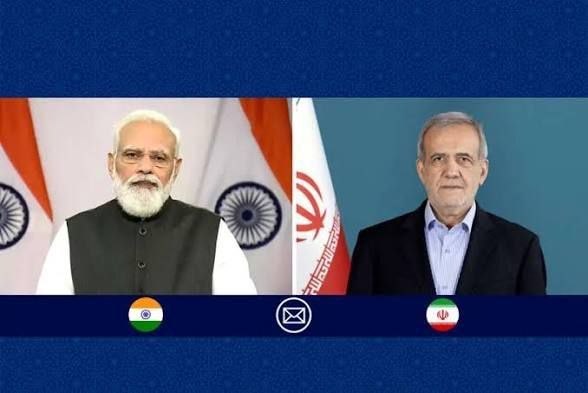
#BREAKING President @drpezeshkian held a telephone conversation with Indian Prime Minister Narendra Modi to discuss bilateral relations, regional and international developments in light of the continued military aggression by the US and the Zionist regime against Iran.
Mar 21, 2026523 likes76 repostsThe Trending News
@SiyaRam3046
🚨 Iran-US Crisis LIVE | Middle East Brink of Conflict as Global Powers React 🌍⚡ us middle east strategy oil supply disruption news international relations crisis world news trending now #IranUSCrisis 🚨 #MiddleEastWar 🌍 #GlobalTension ⚡ #BreakingNewsAlert 🔥
Mar 21, 2026Md Nasir🇮🇳
@nasirgour05
#BREAKING President @drpezeshkian held a telephone conversation with Indian Prime Minister Narendra Modi to discuss bilateral relations, regional and international developments in light of the continued military aggression by the US and the Zionist regime against Iran.
Mar 21, 2026USA News
@USAtodayX
Breaking News: In an audio message marking the Persian New Year, Iran's Supreme Leader Ali Khamenei stated the 'enemy' has been defeated. This significant pronouncement from Tehran invites questions about its implications for ongoing conflicts and international relations. We
Mar 20, 2026