

Kent State Shooting Resurfaces in Viral Social Media Debates Amid Campus Protest Echoes
• From trending topic: Kent State Shooting (1970)
Summary
The Kent State Shooting of 1970, where National Guard troops fired on student protesters at Kent State University in Ohio, killing four and wounding nine during anti-Vietnam War demonstrations, has surged as a top trending topic on X (formerly Twitter) today. This spike isn't tied to a single new anniversary, official announcement, or major news event, but stems from a flurry of spontaneous user posts invoking the incident in real-time online conversations. Discussions reference Crosby, Stills, Nash & Young's iconic song "Ohio," personal anecdotes like "a friend was there," and direct comparisons to ongoing global campus tensions, including one post juxtaposing it with "IDF shooting students at the University of Gaza." Other mentions frame it alongside historical riots, anti-war sentiments, or even unrelated events like the 2017 Las Vegas shooting, fueling a mix of nostalgia, political arguments, and culture war clashes. The trend exploded with dozens of posts in hours, amplified by lyrics ("Four dead in Ohio") and debates over police/National Guard actions, drawing hundreds of engagements as users draw parallels to today's protest climates on U.S. and international campuses. This organic revival highlights how the event remains a flashpoint for discussions on authority, student activism, and historical grievances in the social media era.
Common Perspectives
Anti-War Symbol of Government Overreach
Many users hail Kent State as a stark reminder of state violence against peaceful protesters, quoting "Tin soldiers and Nixon's comin'" from "Ohio" to criticize military involvement in domestic unrest. They see it as a cautionary tale against using force on campuses, especially amid current global conflicts.
Defense of Law and Order During Riots
Some posts describe it as the "Kent State riot," portraying the National Guard's response as necessary to quell violent anti-American protests influenced by communist propaganda, referencing Cuba's Castro regime exploiting the event for anti-U.S. narratives.
Parallel to Modern Campus Clashes
A prominent angle links it to contemporary protests, with one viral post contrasting it to alleged "IDF shooting students at the University of Gaza," suggesting differences in outcomes ("If it was Gaza they'd all be dead") and sparking debates on protest handling worldwide.
Nostalgic Cultural Touchstone
Users share personal connections, like "a friend was there," or simply post "Kent State" with song lyrics, treating it as a shared generational memory tied to Vietnam-era rebellion and music like Jefferson Airplane's references.
Tie to Broader Patriotism Debates
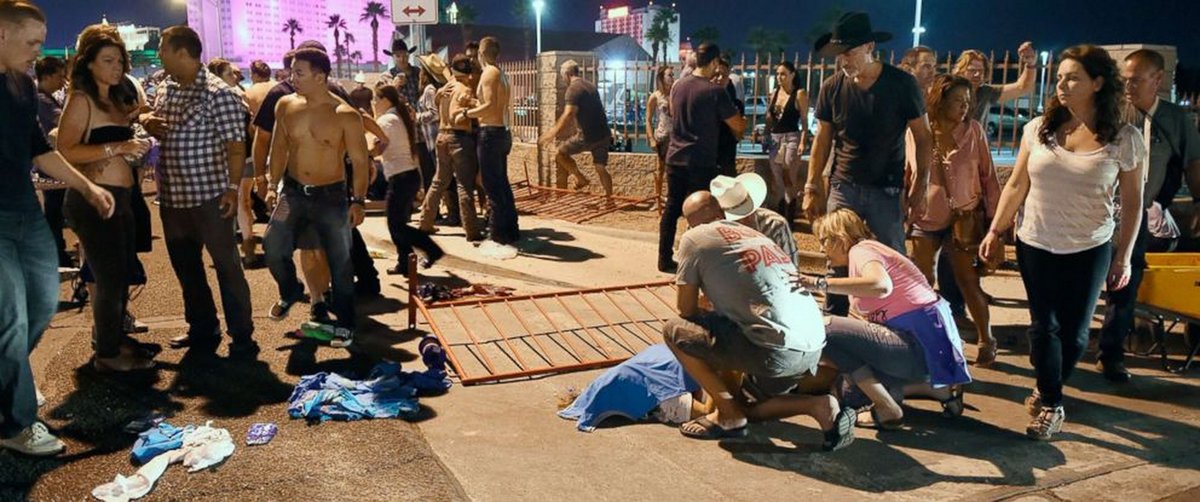
A few connect it to events like the 2017 Las Vegas shooting photos, framing Kent State as "communist propaganda of anti-American hatred," positioning it within ongoing culture war narratives about patriotism versus dissent.
A Different View
While most discussions pit protesters against authorities in a binary conflict, a less-explored angle is Kent State's role in accelerating media-driven "live history" moments. The event's iconic photograph—winning a Pulitzer—didn't just document tragedy but pioneered 24/7 visual journalism, influencing how protests are captured and memed today on platforms like X. This trend's virality, driven by quick lyric shares and Gaza parallels, shows how 1970's shock value now fuels algorithmic outrage cycles, turning a singular tragedy into an endlessly remixable digital archetype for any campus skirmish, regardless of context.
Conclusion
As X users resurrect Kent State amid heated online exchanges, the trend underscores its enduring power to polarize, evoking Vietnam-era divisions while mirroring today's flashpoints. Whether through song, memory, or modern analogies, it reminds us how history ignites in the scroll of a feed, prompting reflection on protest, power, and perception in divided times.
Sources and discussion
These public posts were collected while researching this story. They provide context and reactions, but may not independently verify every claim.
View the original topic on XMarquise D 🐿️
@Plantagenny
@USATRUMPMAN1 Kent State shooting - either police or National Guard (I think). It was at the height of the Vietnam War protests in the early 1970s. Jefferson Airplane did a song about it called, “Ohio.”
May 7, 2026LaMont Finsterwald
@thewindowswami
@USATRUMPMAN1 Kent State / National Guard shooting
May 7, 2026Squid Game Earth
@SquidGameEarth
@USATRUMPMAN1 Probably the IDF shooting students at the University of Gaza. OK it is Kent State. If it was Gaza they'd all be dead.
May 7, 202619BUFF70
@19Buff70
@USATRUMPMAN1 Kent state shooting
May 7, 2026RKO
@Fortwaynenow
@USATRUMPMAN1 the Kent State shooting
May 7, 2026VictoryVik - Onward and Upward
@vikihoskins
@USATRUMPMAN1 Kent State.
May 7, 2026