

Texas Tech Quarterback Brendan Sorsby Secures Injunction to Play Despite NCAA Gambling Ineligibility
• From trending topic: Texas Tech QB Brendan Sorsby Wins Injunction to Play Despite Gambling Ban
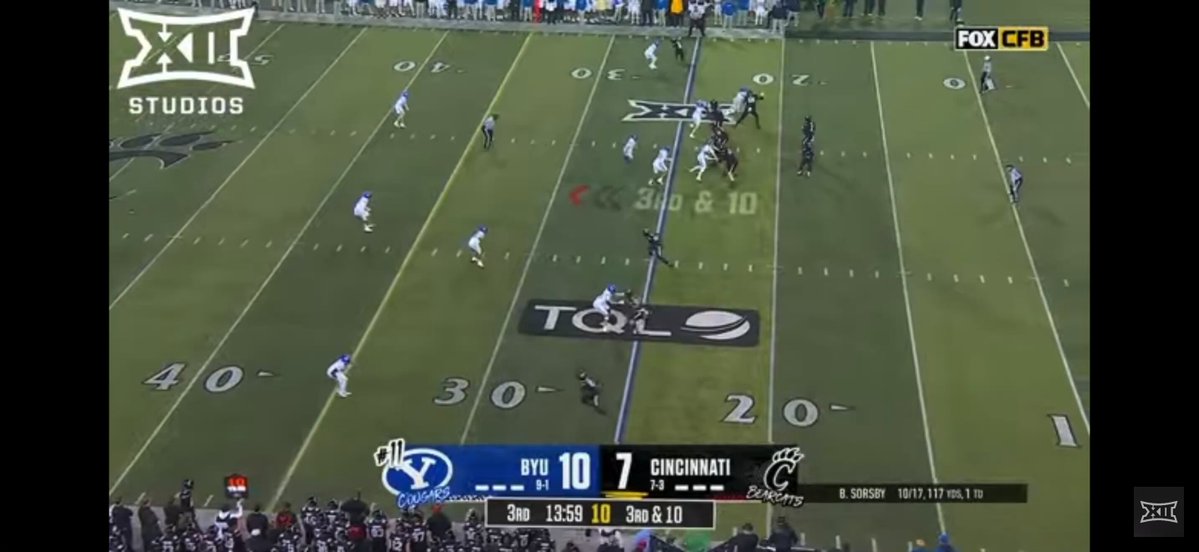
Summary
A federal judge has granted Texas Tech quarterback Brendan Sorsby a preliminary injunction allowing him to play immediately, overriding the NCAA's gambling-related ineligibility ruling. This decision comes after Sorsby was declared ineligible for betting activities that occurred while he was at his previous school, Cincinnati. The injunction includes a protective clause preventing the NCAA from punishing Texas Tech for fielding Sorsby during the legal proceedings. The ruling has sparked immediate backlash across college football, with some programs refusing to schedule games against Texas Tech and media personalities calling for broadcast blackouts. Social media discussions reveal widespread debate about whether Texas Tech should retain Sorsby given the legal risks if the final ruling goes against him, and questions about whether the quarterback could sue the school for breach of contract if dismissed. The story gained traction after Georgia's athletic director reportedly issued an internal memo instructing staff not to schedule future games against Texas Tech.
Common Perspectives
Integrity vs. Competitive Advantage Concerns
Many in the college football community argue that allowing Sorsby to play undermines the sport's integrity, with critics pointing to historical precedents like Auburn's 1993 postseason ban for pay-for-play violations. They contend that ESPN and other networks should refuse to broadcast Texas Tech games as a stand against perceived rule-breaking, arguing that financial interests are overriding competitive fairness. This view emphasizes that the temporary legal victory doesn't erase the underlying eligibility question.
Institutional Risk and Future Litigation Worries
Some observers focus on the practical risks facing Texas Tech, noting that the school could face NCAA sanctions if the final ruling favors the governing body over Sorsby. There's discussion about whether the program should cut ties with the quarterback now to avoid potential penalties, or if doing so exposes them to a breach of contract lawsuit from Sorsby. This perspective highlights that the injunction is temporary and the litigation could ultimately result in a ruling that penalizes the school for fielding an ineligible player.
Previous Program Accountability Questions
Another angle centers on Cincinnati's role, with some pointing out that Sorsby allegedly gambled while playing for that program, yet the focus has largely shifted to Texas Tech. Critics question why the previous school hasn't faced similar scrutiny or consequences, and whether Cincinnati bears responsibility for allowing the situation to develop. This view suggests the narrative has unfairly targeted Texas Tech while overlooking the program where the violations allegedly occurred.
Playoff and Scheduling Ramifications
Some discussions center on the College Football Playoff committee's discretion, noting that even if Texas Tech wins the Big 12, the playoff could simply choose not to extend an invitation without legal repercussions. Others mention that individual schools like Georgia have already signaled unwillingness to schedule future games against Texas Tech, potentially isolating the program within conference scheduling. This perspective emphasizes the broader institutional consequences beyond the immediate eligibility question.
A Different View
Rather than viewing this solely as a rules violation story, consider how name, image, and likeness (NIL) deals have created a new ecosystem where athletes maintain financial relationships with third parties—including betting platforms—that may conflict with NCAA regulations. Sorsby's situation may reflect a broader structural tension where athletes operate in a professionalized environment while still being held to amateur eligibility standards. The legal injunction could represent courts recognizing that the NCAA's traditional enforcement mechanisms haven't adapted to an era where athletes have independent financial arrangements that predate their current school enrollment.
Conclusion
The Sorsby injunction has crystallized ongoing tensions in college athletics between legal due process, institutional self-preservation, and competitive integrity. As the case proceeds toward a final ruling, programs across the country are weighing whether to engage with Texas Tech competitively or maintain distance until the eligibility question is permanently resolved.
Sources and discussion
These public posts were collected while researching this story. They provide context and reactions, but may not independently verify every claim.
View the original topic on XWBTW News13
@WBTWNews13
Brendan Sorsby gets injunction vs. NCAA and could play for Texas Tech after gambling ineligibility
Jun 8, 2026RichardRyderJr.
@DickRyderJr
All this Texas Tech and Brendan Sorsby hate has really made people forget that we legit recruited a NBA player halfway through the season #Lank #Free
Jun 8, 20261 likesFlatland Sports🌵
@flatland_sports
@HeadBeerC @reclinernerd There is already a clause that states that Texas Tech cannot be punished for playing Sorsby during his injunction.
Jun 8, 2026Brian Belefski
@BBelefski
@Clowfb Remember in 1993 Auburn being banned from TV all season for pay for play. ESPN and the rest of college football media need to stand up and not air any Texas Tech games involving Sorsby if they truly care about the integrity of the sport. If not, it's just all about money.
Jun 8, 2026Joe Wheat
@joewheat27
Breaking: judge punishes Texas Tech by allowing Sorsby to play football in 2026
Jun 8, 20265 likesJohn Suly
@TigerNE_CU
@ColonelRebel87 @NILnotNLI @RossDellenger Not sure why everyone seems to think this is the final stage for Texas Tech and Sorsby. It's not. In fact, there could be a big risk should he play, the litigation finally gets a ruling, and that ruling is not in his or the school's favor.
Jun 8, 20262 likes