

Richard Scolyer's Experimental Brain Cancer Treatment Sparks Global Conversation on Medical Courage and Research Ethics
• From trending topic: Richard Scolyer, pioneering melanoma researcher and Australian of the Year, dies at 59 after experimental brain cancer treatment
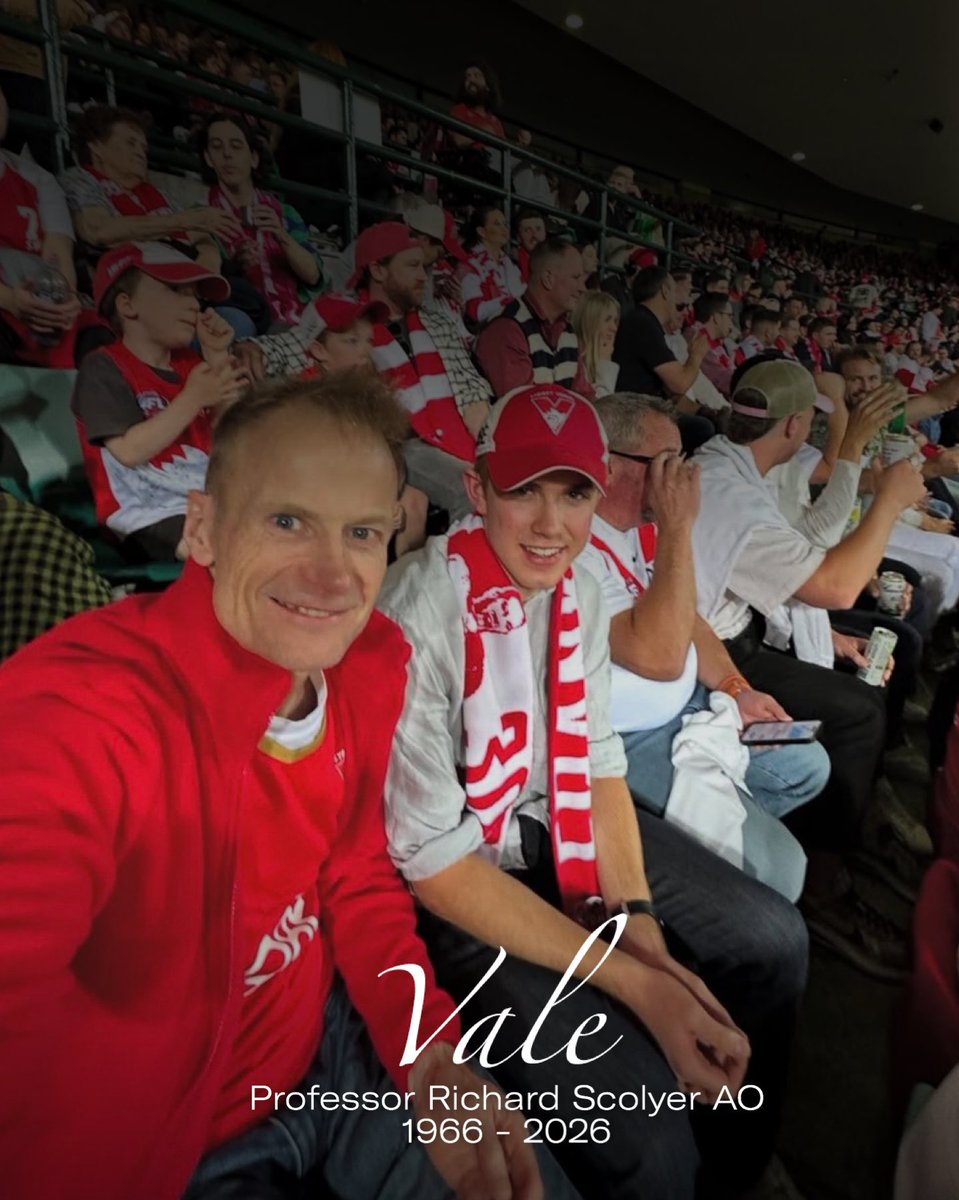
Summary
The death of Professor Richard Scolyer, a leading Australian melanoma researcher and former Australian of the Year, has ignited widespread discussion online about experimental cancer treatments and the personal risks taken by those advancing medical science. Social media platforms, particularly X (formerly Twitter), are currently filled with tributes, reflections, and debates following the announcement of his passing at age 59. The trending conversations center on Scolyer's decision to undergo an unproven immunotherapy regimen for his own aggressive glioblastoma diagnosis, with many users highlighting both his pioneering work in melanoma research and the personal choice he made to test experimental approaches on himself rather than accept standard prognosis. The timing of this surge in attention appears linked to recent public statements from medical organizations, swimming community tributes during the 2026 Australian Swimming Trials, and renewed discussions about glioblastoma survival rates and treatment innovation.
Common Perspectives
A Symbol of Scientific Dedication and Patient Advocacy
Many voices in the medical and research communities are framing Scolyer's story as the ultimate expression of a researcher's commitment to their field. These discussions emphasize how he applied his own expertise to his diagnosis, choosing to participate in cutting-edge immunotherapy protocols rather than conventional treatment pathways. Supporters highlight his decades of work improving melanoma outcomes and suggest his willingness to be "his own guinea pig" demonstrates the personal stakes involved in advancing cancer research.
Questions About Experimental Treatment Risks and Patient Autonomy
Some online discussions focus on the broader implications of researchers testing unproven therapies on themselves. These perspectives explore whether such decisions represent genuine informed consent or potentially compromise objective evaluation of experimental approaches. Commenters in this category often discuss the tension between individual autonomy in treatment choices and the need for rigorous clinical trial standards that protect both patients and scientific integrity.
The Human Cost of Aggressive Cancer Research
A third strand of commentary centers on the emotional and personal dimensions of Scolyer's journey. These posts often share memories of his kindness, mentorship, and impact on colleagues and patients, while acknowledging the aggressive nature of glioblastoma. Many contributors note that his survival period exceeded typical expectations for his diagnosis, though they frame this within the context of glioblastoma's generally poor prognosis rather than making specific claims about treatment efficacy.
The Intersection of Personal Health Decisions and Public Health Narratives
Some discussions connect Scolyer's case to larger conversations about cancer causation, prevention, and treatment philosophy. These perspectives range from those who see his story as validation for pushing boundaries in treatment development, to others who use it to question aspects of modern medical approaches. The conversations often reflect broader societal debates about how individual cases should inform public understanding of cancer research and treatment options.
A Different View
Rather than viewing Scolyer's case primarily through the lens of experimental treatment success or failure, consider how his story highlights the often-overlooked role of pathologists in cancer care. While much attention focuses on oncologists and surgeons, pathologists like Scolyer work behind the scenes to ensure accurate diagnoses that determine treatment pathways for thousands of patients. His dual identity as both diagnostic expert and research subject illustrates how different specialties within medicine contribute to patient outcomes, and how the loss of such specialized expertise creates ripples throughout entire medical communities that extend far beyond any single case or treatment decision.
Conclusion
The conversations surrounding Professor Scolyer's passing reveal how individual medical journeys can become catalysts for examining larger questions about innovation, risk, and the human elements of scientific progress. As these discussions continue across platforms, they reflect society's ongoing struggle to balance hope for medical breakthroughs with realistic expectations about the challenges of treating aggressive cancers.
Sources and discussion
These public posts were collected while researching this story. They provide context and reactions, but may not independently verify every claim.
View the original topic on XVermouth
@vermoutharc
Prof. Richard Scolyer, cancer researcher and former Australian of the Year, dies at 59. He pioneered immunotherapy, diagnosed with inoperable brain cancer in 2023.
Jun 8, 2026TheeNewsRoom
@TheeNewsRoom
🇦🇺 Pioneering Australian doctor Richard Scolyer has died at the age of 59, three years after being diagnosed with an aggressive brain tumour. Scolyer, who became globally known for undergoing a world-first experimental treatment for glioblastoma, played a key role in advancing
Jun 8, 20264 likesDr. John M. Earl Waugh
@DrWaugh1
Richard Scolyer, acclaimed melanoma researcher who tried experimental treatment on his own brain cancer – obituary #Cancerresearch #Cancertreatment #Cancer
Jun 8, 2026Melanoma Research
@MelanomaReAlli
Today the melanoma community mourns the loss of Professor Richard Scolyer, AO, a pioneering melanoma pathologist, visionary researcher, and dedicated champion for patients. Dr. Scolyer, one of the world’s foremost melanoma pathologists and global leader in bridging laboratory
Jun 8, 20261 likesStumpy: Paul Christensen
@PaulChr30241052
@MakisMedicine @ProfRAScolyer Richard Scolyer did not develop some mythical "turbo cancer" that killed him rapidly after diagnosis or treatment. He was diagnosed in May/June 2023 with aggressive IDH wild-type glioblastoma (one of the worst brain cancers) and lived nearly three years.
Jun 8, 20261 likesAustralian Dolphins Swim Team
@DolphinsAUS
“3.40’s a walk in the park compared to what he’s gone through” After almost breaking the WR, Sam Short pays tribute on opening night of Trials to former Australian of the Year, the late Prof. Richard Scolyer 💙 🏆 2026 Aus Swimming Trials 🗓️ June 8-13 📍 Sydney Olympic Park
Jun 8, 202610 likes3 reposts