

Somalis in Minneapolis Demand $200 Million in Reparations for Business Closures and Community Trauma
• From trending topic: Somalis in Minneapolis demand $200 million in reparations for business closures
Summary
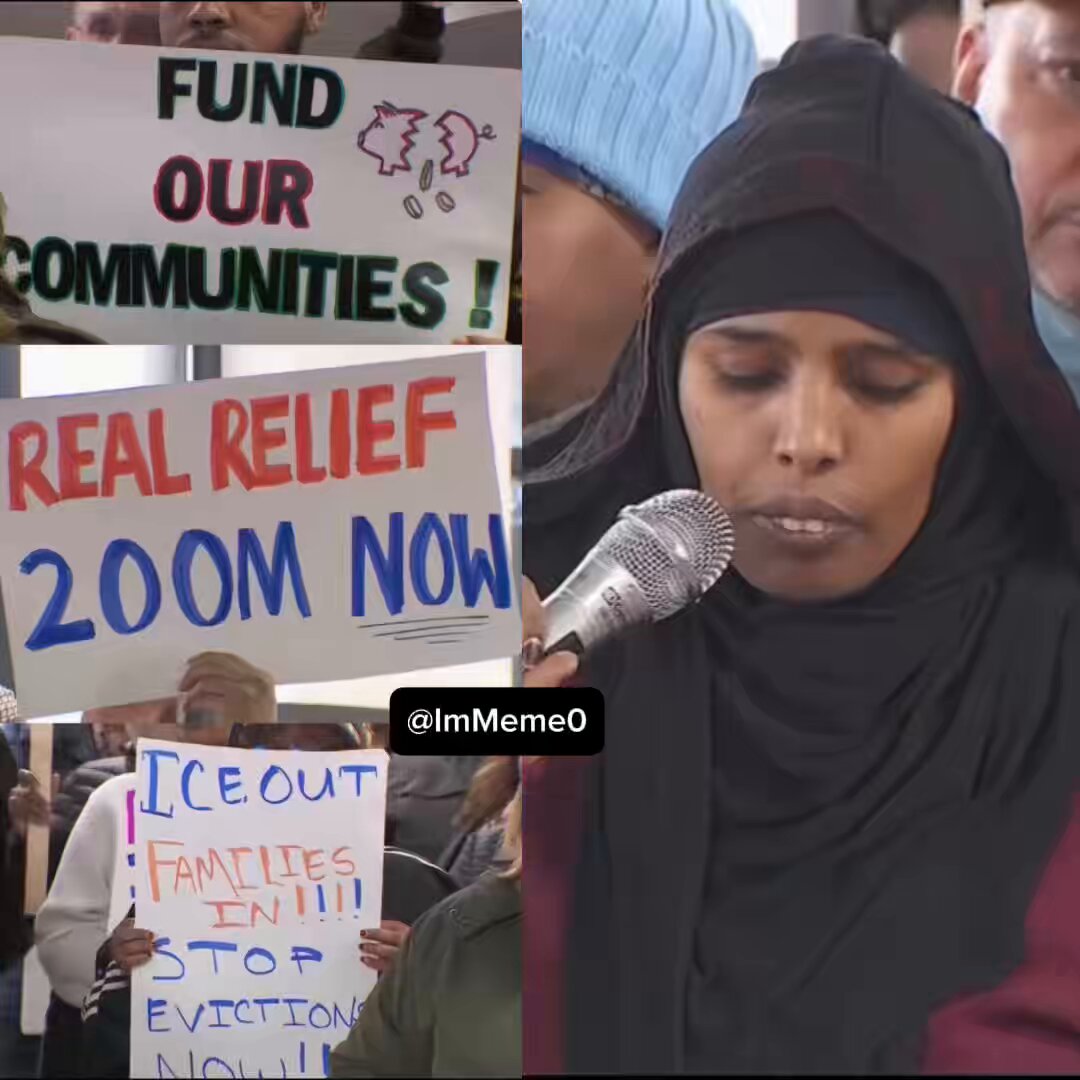
A viral post on X (formerly Twitter) has ignited nationwide debate, announcing that Somalis in Minneapolis are demanding $200 million in reparations to address business closures and resulting community trauma. Posted recently with over 1,100 likes, the 🚨BREAKING alert states: "Somalis in Minneapolis demand $200 million in reparations for business closures and community trauma." This claim has propelled the topic to trending status today, drawing massive engagement as users share reactions, memes, and discussions across social media.
The demand appears tied to ongoing economic hardships in Minneapolis's Somali-heavy neighborhoods, particularly around areas like Cedar-Riverside, where small businesses—many immigrant-owned—have shuttered amid rising costs, crime concerns, and post-2020 unrest. Community leaders and activists referenced in the trending discussions cite "trauma" from these closures, including lost livelihoods, family displacements, and cultural disruptions. While no formal city council proposal or lawsuit has been filed as of this writing, the X post has amplified calls from local organizers for direct payments from government funds, framing it as compensation for systemic barriers. This surge in visibility comes amid broader national conversations on urban economic recovery, making it a flashpoint for immediate online discourse.
Common Perspectives
### A Just Demand for Historical Wrongs
Supporters argue the $200 million is a rightful acknowledgment of disproportionate impacts on Somali businesses from city policies, riots, and economic neglect. They point to data showing higher closure rates in immigrant enclaves and view reparations as essential for rebuilding trust and stability in Minneapolis.
### Taxpayer Burden Without Accountability
Critics contend that demanding reparations places an unfair financial load on all residents, especially when business closures stem from broader issues like inflation and crime rather than targeted discrimination. Many online voices question why specific communities receive priority funding over others facing similar challenges.
### Politicized Grift Exploiting Division
Some see this as a calculated move by activists to extract money through racial and ethnic grievances, drawing parallels to other high-profile reparation pushes. They highlight the lack of detailed plans for fund distribution, suggesting it fuels division rather than genuine community aid.
### Economic Reality Over Reparations
Pragmatists emphasize practical solutions like business grants or crime reduction over lump-sum payouts, noting that past city investments in the area haven't prevented closures. They argue focusing on reparations distracts from root causes like regulatory hurdles and market forces.
### Symbol of Failed Integration Policies
Others frame it as evidence of deeper integration failures in sanctuary cities, where public resources have supported newcomers but not fostered self-sufficiency. Trending replies express frustration that such demands underscore unsustainable welfare models.
A Different View
Consider the unintended economic ripple: these reparation demands spotlight Minneapolis's "Little Mogadishu" as a microcosm of global remittance economies. Somali businesses here often serve as hubs for diaspora networks wiring billions back to Somalia annually—far exceeding $200 million. Closures disrupt this flow more than local trauma, potentially harming international family ties and Somalia's stability. Rather than payouts, incentivizing resilient, export-oriented enterprises could turn the narrative from victimhood to a transatlantic economic powerhouse, benefiting both Minneapolis and Somalia in ways one-time reparations cannot.
Conclusion
The explosive X post has transformed a local grievance into a national litmus test, exposing fault lines on immigration, economics, and equity in America's heartland. As discussions rage, Minneapolis leaders face mounting pressure to respond, with the true impact hinging on whether dialogue leads to targeted aid or deeper polarization. The NOW Times will continue monitoring developments.
Sources and discussion
These public posts were collected while researching this story. They provide context and reactions, but may not independently verify every claim.
View the original topic on X