

Shoprite's Nationwide Shutdown Delivers Crushing Blow to Nigeria's ₦2.5 Trillion Mall Economy
• From trending topic: Shoprite completes shutdown across Nigeria
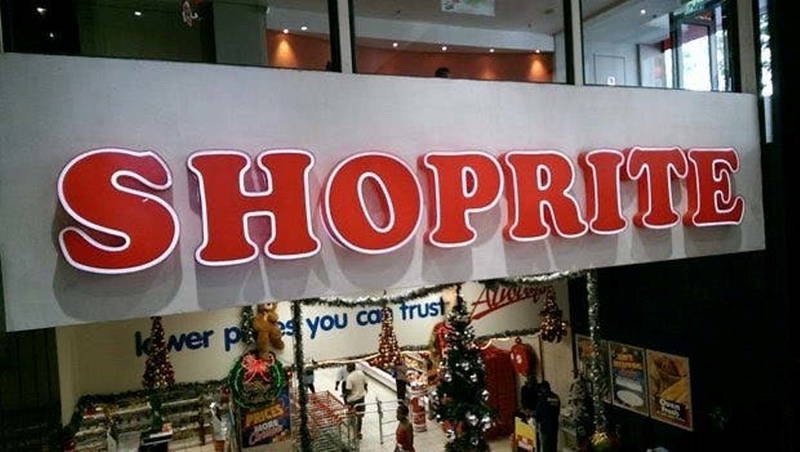
Summary
Shoprite, one of Nigeria's largest supermarket chains, has finalized its complete shutdown of operations across the country, marking the end of its physical retail presence in the nation's malls. This development exploded onto social media platform X today, with posts like "🚨 BREAKING: Nigeria’s ₦2.5 trillion mall economy takes a major hit as Shoprite completes its nationwide shutdown across the country" rapidly gaining traction and likes. The trending topic stems directly from announcements and confirmations of the chain's final store closures, severing its role as a key anchor tenant in shopping centers nationwide.
What made this trend ignite right now is the culmination of Shoprite's multi-year exit strategy, triggered initially by regulatory pressures, economic challenges, and operational difficulties following a 2020 court order mandating divestment to local ownership. The recent completion of the last remaining store shutdowns—coupled with viral posts highlighting the immediate fallout on Nigeria's burgeoning ₦2.5 trillion mall sector—has sparked widespread online discussion. Malls, which relied heavily on Shoprite's foot traffic to sustain rents and viability, now face a seismic shift as this "end of an era" leaves voids in high-profile locations from Lagos to Abuja. Key details include the chain's pivot to online and wholesale models via partnerships like Jogor Farms, while physical outlets join a list of casualties amid Nigeria's tough retail landscape marked by high inflation, currency volatility, and competition from local players.
Common Perspectives
Economic Catastrophe for Malls
Many view the shutdown as a devastating hit to Nigeria's ₦2.5 trillion mall economy, arguing that without Shoprite's draw as an anchor tenant, shopping centers will struggle with reduced footfall, unpaid rents, and potential closures, amplifying broader retail woes.
Triumph of Local Empowerment
Supporters celebrate it as a win for Nigerian entrepreneurship, pointing to the transfer of operations to local firms like Sundry Foods and others, which they say fosters homegrown retail giants and reduces foreign dominance in the sector.
Symptom of Deeper Economic Woes
Critics frame it as a stark indicator of Nigeria's harsh business climate, citing inflation, forex shortages, and regulatory hurdles as the real culprits forcing multinationals like Shoprite to exit, signaling risks for future foreign investment.
Opportunity for Innovation
Optimists see potential for reinvention, suggesting malls can pivot to experiential retail, local brands, or mixed-use developments to fill the gap, turning Shoprite's departure into a catalyst for a more diverse and resilient shopping ecosystem.
Inevitable End of an Era
Some express nostalgia, lamenting the loss of a retail pioneer that introduced modern supermarket culture to Nigeria, viewing the shutdown as the poignant close of a chapter defined by Shoprite's two-decade run amid shifting market dynamics.
A Different View
While most focus on immediate economic pain or local gains, an overlooked angle is Shoprite's strategic stealth pivot to Nigeria's booming informal and digital markets. By shedding high-cost mall leases, the chain positions itself to capture growth in low-overhead wholesale, e-commerce deliveries, and pop-up models tailored to Nigeria's 200 million-plus population—where 70% shop informally. This could quietly rebuild influence without the baggage of physical stores, potentially outmaneuvering competitors still anchored to dying mall models.
Conclusion
Shoprite's full shutdown across Nigeria isn't just a retail exit; it's a pivotal moment reshaping the ₦2.5 trillion mall economy and spotlighting the tensions between global chains, local regulations, and economic realities. As perspectives clash from despair to opportunity, the true story will unfold in how stakeholders adapt to this void.
Sources and discussion
These public posts were collected while researching this story. They provide context and reactions, but may not independently verify every claim.
View the original topic on XiReport
@Eugeneakp
🚨 BREAKING: Nigeria’s ₦2.5 trillion mall economy takes a major hit as Shoprite completes its nationwide shutdown across the country.
Mar 7, 20261 likes𝗣𝗮𝗿𝗿𝗼𝘁 𝗠𝗲𝗱𝗶𝗮
@Parrot_MediaNG
BREAKING: Nigeria’s N2.5 trillion mall economy suffers a major blow as Shoprite completes its nationwide shutdown, closing stores across the country and marking the end of an era for one of the biggest retail anchors in Nigerian malls.
Mar 7, 2026Jãy
@Jituah0
🚨 BREAKING: Nigeria’s N2.5 trillion mall economy takes hit as Shoprite completes shutdown across the country
Mar 7, 2026