

Pennsylvania Men Guilty in AI-Powered Fraud Scheme Targeting Minnesota Housing Program
• From trending topic: AI
Summary
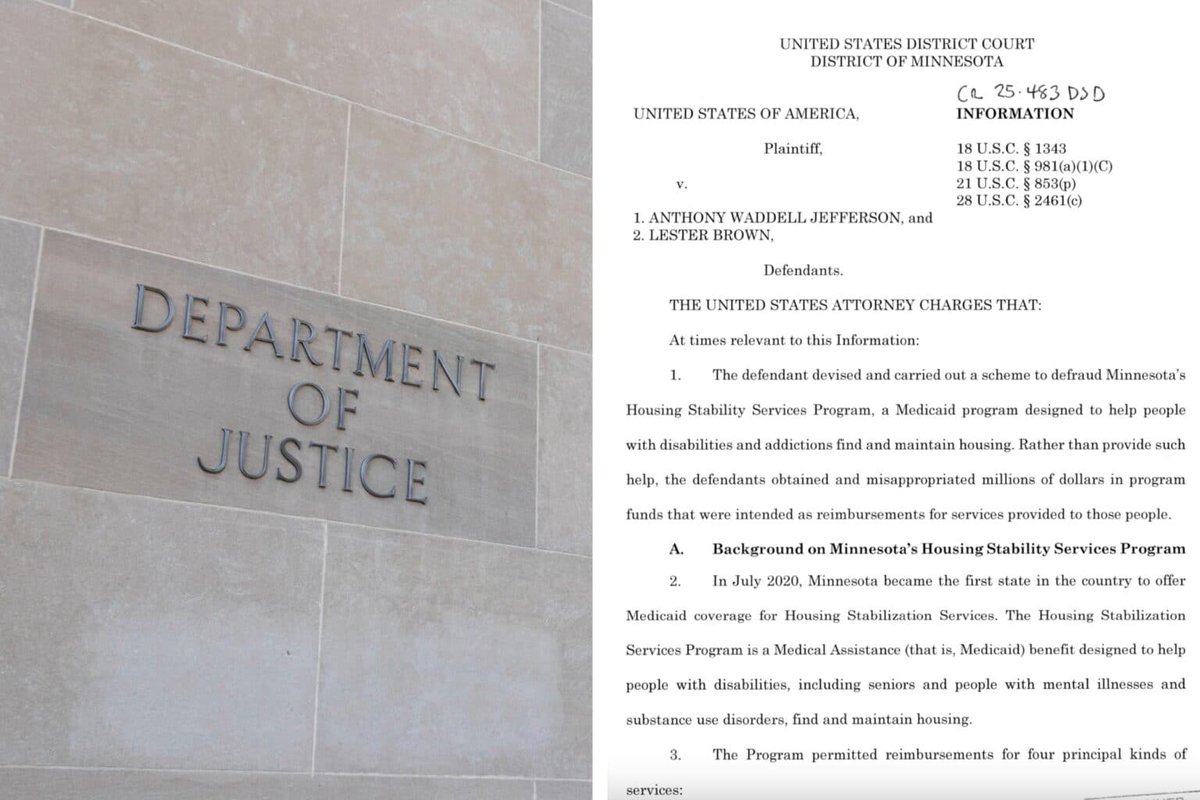
A federal jury in Minnesota recently convicted two Pennsylvania men, identified as key figures in a sophisticated fraud operation, for using artificial intelligence to exploit a state housing assistance program. The scheme involved generating fake documents and applications with AI tools to siphon off funds intended for low-income renters, defrauding the program of over $500,000. The verdict, handed down this week, has ignited widespread online buzz, particularly on X (formerly Twitter), where discussions about AI's role in crime are exploding amid broader conversations on AI's societal impacts—from deepfakes and legal defenses to everyday automation.
This case is trending right now due to its timely intersection with viral AI debates, including posts joking about using "AI-generated" excuses in court (e.g., "That footage of me robbing that bank? AI generated") and broader skepticism about trusting AI outputs. The convictions highlight a real-world escalation of AI misuse just as public discourse questions AI's reliability in critical areas like law, finance, and verification. Key details include the men's use of AI to fabricate applicant identities, income records, and rental agreements, submitting over 100 fraudulent claims between 2022 and 2024. U.S. Attorney Andrew M. Luger emphasized the scheme's "innovative abuse of emerging technology," while investigators from the Minnesota Department of Commerce uncovered the plot through digital forensics tracing AI-generated artifacts in the documents. The guilty verdicts on wire fraud and identity theft charges mark one of the first major prosecutions tying AI directly to housing fraud, amplifying its virality as users online grapple with AI's dual potential for innovation and deception.
Common Perspectives
AI as a Dangerous Enabler of Crime
Many online commentators view this case as proof that AI tools are lowering barriers to sophisticated fraud, making scams easier and more scalable for criminals. Posts highlight fears of AI-generated evidence complicating prosecutions, echoing sentiments like "AI until proven genuine" in court scenarios.
Call for Stricter AI Regulations
A prevalent opinion demands immediate government oversight on AI applications, especially in sensitive sectors like public assistance programs. Users argue that without mandatory watermarking or detection standards for AI content, vulnerabilities in housing, banking, and welfare systems will proliferate.
Skepticism Toward AI Trustworthiness
Discussions reflect growing distrust in AI outputs, with some tying this fraud to broader doubts about AI's role in analytics, media, and personal use. Comments like "using AI? Retard alert" and concerns over "confidence and trust in AI" underscore worries that unchecked adoption invites exploitation.
Tech Optimism Amid the Hype
Some defend AI's potential, framing the fraud as isolated misuse rather than inherent flaw, similar to how tools like Claude enable rapid market analysis. They point to this case as a catalyst for better safeguards, not a reason to abandon AI innovation.
Legal System Overhaul Needed
Perspectives focus on courts adapting to AI defenses, with users speculating on future trials where proving content's authenticity becomes the burden, as seen in hypothetical bank robbery posts linking directly to this scheme's implications.
A Different View
Rather than solely blaming AI as a criminal tool, consider how this fraud exposes flaws in the Minnesota housing program's own verification processes—outdated manual reviews that failed to catch obvious red flags like mismatched data patterns, even before AI amplification. AI didn't create the vulnerability; it merely accelerated exploitation of a system already strained by backlogs and underfunding. This angle shifts focus to investing in human-AI hybrid auditing, where AI could proactively detect anomalies in applications, turning the technology from perpetrator to protector and preventing similar schemes nationwide.
Conclusion
The Pennsylvania men's convictions in this AI-fueled housing fraud represent a stark wake-up call, fueling today's X trends by crystallizing fears and hopes around AI's unchecked rise. As debates rage from courtroom hypotheticals to automation dreams, this case underscores the urgent need for balanced innovation, robust defenses, and adaptive policies to harness AI's power without inviting chaos.
Sources and discussion
These public posts were collected while researching this story. They provide context and reactions, but may not independently verify every claim.
View the original topic on XHenry |𝔽rAI
@BoralchionRoy
It's building a privacy-preserving identity layer that verifies real humans (and AI agents) using zero-knowledge proofs (ZK), allowing users to prove attributes (like age, jurisdiction, or humanity) without revealing personal data or storing it centrally @billions_ntwk
Feb 12, 2026Is this a 3D model?
@IsThisA3DModel
@Audio_Vortex thanks! soon you will realize you are wrong about AI as well and we will accept that apology as well
Feb 12, 20262 likesREDO03🙌🏿💎♿️🏁
@ARedo03
Bitch love yourself take that ai filter off wtf ain’t nobody trying sticc dicc to a robot
Feb 12, 20261 likesSlevin
@dredfullyslevin
@GoldyRiSA In 10 years it'll be AI watching AI generated anime in a new world constructed by AI.
Feb 12, 20261 likesBOB BERKINS (Conteur Cosmique)
@JulianLatour
...Ai:'' We see you!!! Jinn:'' I saw you first! 😂 AI:''...🤣 🌍...
Feb 12, 20261 likesphilm8
@philm824
@realEstateTrent I’ve been using chat as my backstop for other ai and my personal assistant of sorts (bc it has been trained). Claude/claude code/cowork changes the dynamic. Claude is the way…for now side note: Claude is now doing market analytics that took and entire team 4 weeks in 2 hours🤯
Feb 12, 2026