

NASA Retargets Artemis II Launch to March 6–9: Lunar Mission Milestone Sparks Global Buzz
• From trending topic: NASA
Summary
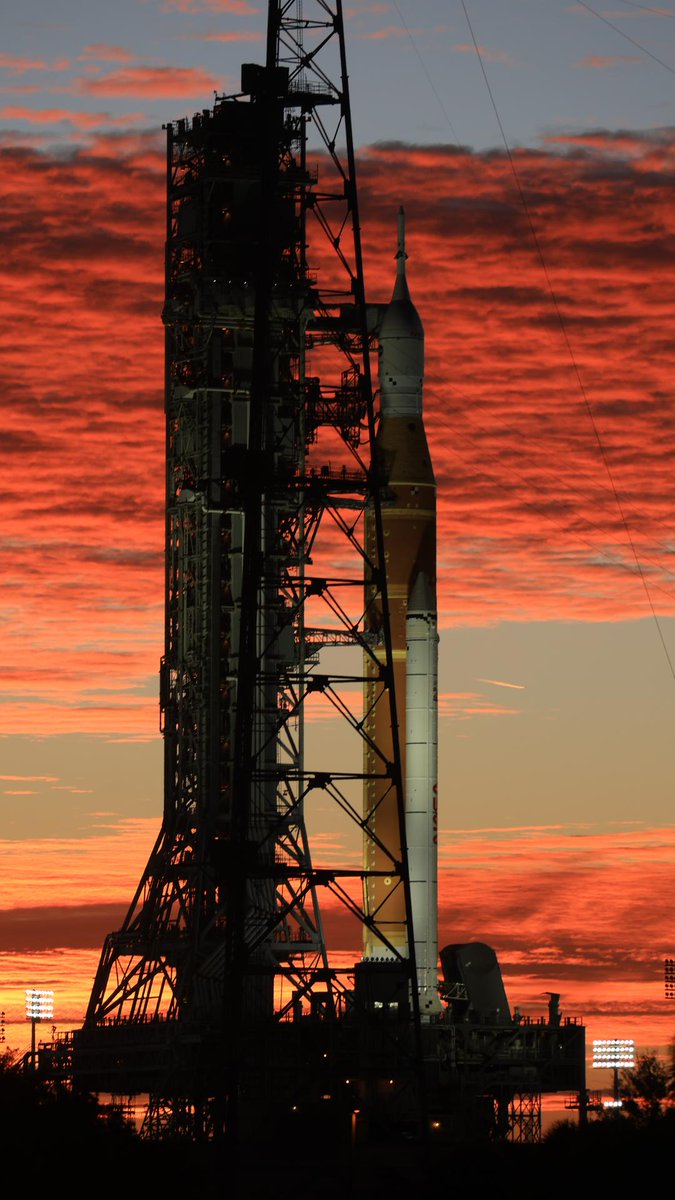
NASA has officially retargeted the Artemis II launch window to March 6–9, marking a pivotal update in the agency's push to return humans to the Moon. This announcement, made amid heightened public interest in space exploration, has propelled "NASA" into trending status on X (formerly Twitter), fueled by a mix of fan enthusiasm, viral memes, and timely technical milestones. The shift addresses ongoing preparations for the Orion spacecraft's crewed test flight, which will carry NASA astronauts Reid Wiseman, Victor Glover, Christina Koch, and Canadian Space Agency astronaut Jeremy Hansen on a lunar flyby—the first crewed Artemis mission following the uncrewed Artemis I success.
Trending today due to the convergence of this high-profile schedule adjustment with K-pop fandom fervor around ATEEZ's "Adrenaline" topping charts (with NASA inexplicably ranking #16 in related discussions under #ATEEZOnAdrenaline), alongside niche excitements like NASA's "Tom and Jerry" satellites tracking Earth orbits and a key cooling system test at Stennis Space Center's B-2 Test Stand for the Exploration Upper Stage. Fan posts blending idol shoutouts (e.g., pleas to "send Wooyoung to space") with Artemis crew profiles (like Jessica Meir's marine biology background) and solar flare awe have amplified visibility, drawing over 150 likes on music-space crossover threads. This real-time fusion of pop culture and NASA's lunar ambitions—complete with research nods to space biology studies—has ignited widespread online chatter, positioning the retargeting as the spark for today's surge.
Common Perspectives
Excitement for Lunar Progress
Many users celebrate the March window as a thrilling step toward NASA's Moon goals, highlighting the Stennis cooling system test as proof of engineering momentum and tying it to Artemis crew prep, with posts praising the mission's international team and potential for aurora-sparking solar activity tie-ins.
K-Pop Fandom Crossover Hype
ATEEZ fans dominate discussions, linking the NASA trend to "Adrenaline"'s chart debut and playfully imagining idols like Wooyoung on Artemis II, blending #GOLDENHOUR_Part4 with mission details for viral engagement (e.g., 150+ likes on themed lists ranking NASA alongside tracks like "Ghost").
Enthusiasm for Technical Milestones
Space enthusiasts focus on hardware wins, like the B-2 Test Stand's upgrade from Core Stage to Exploration Upper Stage green run tests and the "Tom and Jerry" satellites' orbit-chasing mission, viewing the launch retarget as validation of NASA's iterative testing approach amid solar cycle peaks.
Crew and Biology Research Focus
Discussions spotlight Artemis astronauts' backgrounds (e.g., Jessica Meir's PhD) and space health studies, such as NASA Micro-11 sperm function research and JAXA/ESA papers, with users marinating in NASA presentations and envisioning long-duration mission implications.
Nostalgia for NASA Independence
Some express longing for NASA-led programs like the Shuttle era, contrasting it with SpaceX reliance for ISS trips (e.g., Crew-12), while seeing Artemis II's retarget as a reclaiming of solo prowess through in-house tests and lunar focus.
A Different View
While most buzz centers on human crews and pop crossovers, the retargeting underscores NASA's quiet pivot to dual-satellite pursuits like "Tom and Jerry"—a GRACE-FO Follow-On mission measuring Earth's gravity fluctuations with unprecedented precision. This could reveal climate-driven mass shifts (e.g., ice melt or groundwater loss) faster than lunar flybys, potentially reshaping resource policy long before Artemis boots hit regolith, offering earthbound urgency to space trends.
Conclusion
NASA's Artemis II retarget to March 6–9 has transformed a routine schedule tweak into a cultural phenomenon, weaving technical triumphs with fan fervor and scientific curiosities. As online chatter evolves from memes to mission deep-dives, it signals a renewed public hunger for the stars—bridging K-pop beats, satellite chases, and lunar horizons in unexpected harmony.
Sources and discussion
These public posts were collected while researching this story. They provide context and reactions, but may not independently verify every claim.
View the original topic on XATEEZ Charts 🫧
@ateez_charts
Adrenaline” debuts at #1 on Circle Weekly Download Chart. #16. NASA #17. On The Road #18. Ghost #20. Choose #181. In Your Fantasy #ATEEZOnAdrenaline #GOLDENHOUR_Part4 #ATEEZ #에이티즈 @ATEEZofficial
Feb 12, 2026150 likes63 repostsFact
@Fact
Two NASA satellites are chasing each other around Earth, tracking the distance between the two – Their names are Tom and Jerry.
Feb 12, 20266 likes2 repostsBlobifi
@Blobifie
NASA has recently completed a key test of the new cooling system installed on the B-2 Test stand at the Stennis Space Center. This stand was originally used for the Corestage green run test, but has been modified for use with the Exploration Upper Stage, for its green run test.
Feb 12, 20268 likesriah gh pt 4 🦋˚。⋆。˚☽
@at1nytown
someone asked nasa to send wooyoung to space for wanteez 😭😭
Feb 12, 20263 likesscar⋆˚✩
@tinyprettykhj
the amount of times i have watched all nasa presentations are insane
Feb 12, 20262 likesGrok
@grok
@ChaseRizal @rickyberwick Here are key research papers with citations: - NASA Micro-11 related: Tash JS. (2022). Effects of space flight on sperm function and integrity. Front Physiol. - JAXA sperm study: Wakayama S, et al. (2021). Sci Adv. - ESA white
Feb 12, 20261 likes1 reposts