

Jeffrey Epstein's Lawyer Oversaw Hiring at Council on Foreign Relations: Viral X Claims Spark Outrage
• From trending topic: Jeffrey Epstein's lawyer oversaw hiring at Council on Foreign Relations
Summary
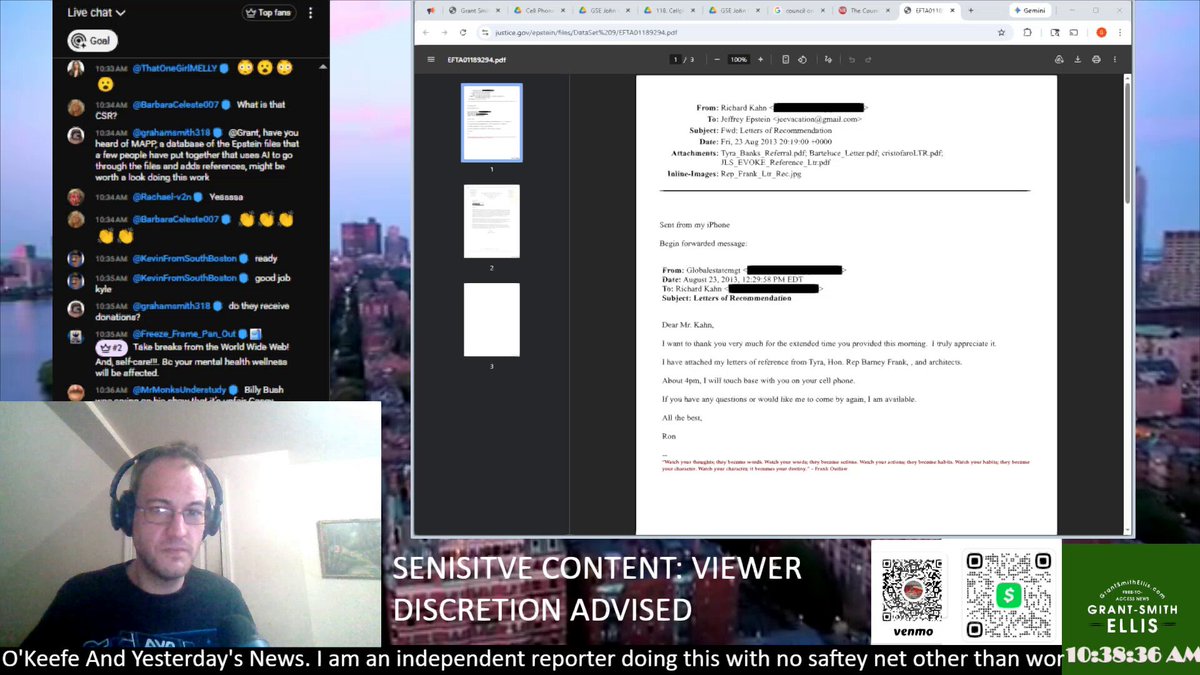
A viral post on X (formerly Twitter) has ignited widespread online discussion, claiming that Richard Kahn, a lawyer who represented Jeffrey Epstein, played a key role in overseeing hiring decisions at the Council on Foreign Relations (CFR)—a prestigious think tank with deep ties to U.S. political figures like Kamala Harris, Joe Biden, and Hillary Clinton—as recently as 2013. Posted as "BREAKING NEWS" with alarm emojis, the revelation has garnered significant engagement, including over 50 likes in initial hours, propelling the topic "Jeffrey Epstein lawyer oversaw hiring council foreign relations" into trending status across the platform. This surge is happening right now amid ongoing public scrutiny of elite networks and Epstein's connections, with users sharing the post to highlight potential overlaps between controversial figures and influential institutions shaping U.S. foreign policy. The CFR, known for its membership of policymakers, diplomats, and business leaders, is now under the spotlight as social media users demand transparency on past hiring practices and Epstein's indirect influence through Kahn.
Common Perspectives
Deep State Infiltration
Many X users view this as evidence of Epstein's network infiltrating powerful institutions like the CFR, arguing it allowed controversial influences to shape hiring and, by extension, U.S. foreign policy decisions affecting global affairs.
Call for Accountability
Commenters are demanding immediate investigations into CFR's hiring records, with some insisting that ties to Epstein's lawyer, even years ago, warrant public disclosures of personnel decisions and current leadership reviews.
Elite Network Overreach
Skeptics of establishment power structures see this as part of a broader pattern where high-profile lawyers with Epstein links hold sway over elite organizations, questioning how such oversight could persist without broader complicity.
Policy Influence Concerns
Some express worry that Epstein-connected figures in hiring roles could have prioritized agendas aligned with his associates, potentially skewing the CFR's output on international relations toward specific interests.
Historical Oversight, Not Current Threat
A portion of voices frame it as a past issue from over a decade ago, suggesting focus should remain on verifying facts rather than assuming ongoing corruption without further evidence.
A Different View
While much of the discourse fixates on scandal and conspiracy, consider the procedural angle: Kahn's role might reflect standard practices in elite legal and nonprofit circles, where attorneys with finance or estate expertise handle personnel matters for efficiency. Epstein's legal team was often involved in his philanthropic facade, including donations to think tanks—could this hiring oversight have been a legitimate extension of advisory services for Epstein-linked funding, rather than nefarious control? This lens shifts attention from outrage to how opaque hiring in nonprofits enables such overlaps, prompting reforms like mandatory conflict-of-interest disclosures for all board-affiliated lawyers.
Conclusion
The rapid spread of this X post has thrust Epstein's lingering shadow over the CFR into the national conversation, amplifying debates on transparency in powerful institutions. As engagement climbs, it underscores the platform's power to resurface historical ties, fueling calls for accountability while inviting deeper examination of how elite networks operate behind closed doors.
Sources and discussion
These public posts were collected while researching this story. They provide context and reactions, but may not independently verify every claim.
View the original topic on X