

Iran Threatens "Water War" with Imminent Strikes on Desalination Plants, UN Official Warns Amid Escalating Middle East Tensions
• From trending topic: Iran threatens "water war" with strikes on desalination plants, UN official warns
Summary
The trending topic exploded on X today following urgent posts citing UN official Kaveh Madani's warning that Iran is planning strikes on key desalination and energy plants within days, potentially unleashing a "water war" with severe global repercussions. This alert comes amid heightened Middle East conflicts, including recent strikes on an Iran nuclear facility and ongoing violence in Lebanon and Gaza, where daily casualties and infrastructure destruction are drawing international scrutiny. Madani's statement highlights the vulnerability of desalination infrastructure—critical for water supplies in arid regions like the Middle East and beyond—positioning these facilities as potential targets that could disrupt water access for millions and ripple into global markets through energy shortages and supply chain chaos. The trend gained traction with posts like "🚨BREAKING: Iran threatens mass ‘water war’ with strikes on key plants in days, UN official warns," amplifying fears of lasting consequences for water security at a time when UN reports already underscore global water inequality affecting billions. This specific warning, tied to immediate strike threats, has sparked widespread online debate, intersecting with discussions on Iran's nuclear activities, regional bombings, and broader humanitarian crises like hunger risks from prolonged conflict.
Common Perspectives
Alarm Over Humanitarian Catastrophe
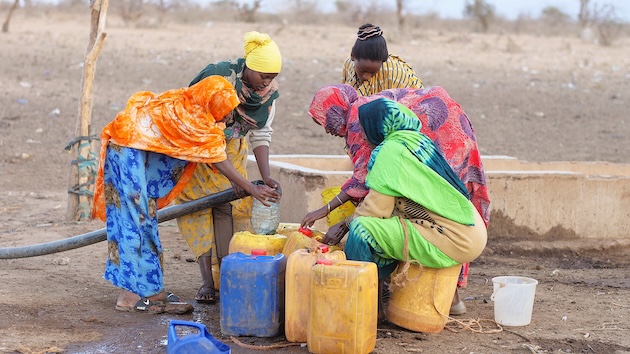
Many users express deep concern for the potential cutoff of drinking water to civilian populations, viewing the strikes as a direct threat to basic human needs in water-scarce areas. Posts emphasize the disproportionate impact on women and girls, echoing UN reports on global water insecurity, and call for immediate international intervention to protect desalination plants.
Geopolitical Retaliation in Regional Conflicts
A prevalent view frames Iran's threats as a response to recent attacks on its nuclear facilities and escalating strikes in Lebanon and Gaza, with some drawing parallels to tactics used by other parties like the IDF. Discussions highlight Iran's denial of IAEA access to nuclear sites and past threats against the US, positioning the "water war" rhetoric as part of a cycle of retaliation amid broader Middle East hostilities.
Hypocrisy and Selective UN Outrage
Critics point to perceived double standards, questioning why the UN is now highlighting Iran's threats while other conflict actions—like cluster munitions or Gaza operations—receive varying levels of condemnation. Posts urge the UN to address all sides equally, referencing reports from groups like B'Tselem and historical UN documents on refugee rights.
Economic and Global Supply Chain Fallout
Focus on market impacts dominates some reactions, warning of surging shipping costs (up 18%+), food and fuel price spikes, and hunger risks for up to 45 million more people if war drags on. Ties to Trump's withdrawal from the Iran deal and Iran's deal violations fuel arguments that failed diplomacy has led to this brink.
Broader Anti-Iran Sentiment
Several voices link the threats to Iran's support for groups using cluster munitions in the West Bank and its nuclear defiance, demanding stronger UN action and portraying the water war plans as evidence of aggressive intent that justifies preemptive measures.
A Different View
While most discourse centers on immediate military and humanitarian risks, an overlooked angle is the strategic leverage of water as a "soft" weapon in hybrid warfare—potentially more enduring than conventional strikes. Iran's threats could signal a pivot to non-kinetic escalation, mirroring how disrupted desalination (which supplies 70% of Gulf drinking water) might force adversaries into prolonged economic negotiations without full-scale invasion, reshaping alliances around climate-vulnerable infrastructure in a warming world where water scarcity already displaces millions annually.
Conclusion
As Iran's "water war" threats trend amid nuclear strikes and regional bloodshed, the convergence of UN warnings, market fears, and polarized opinions underscores a precarious moment for global stability. With desalination plants as the new frontline, the world watches whether diplomacy can avert a crisis that blends ancient resource wars with modern geopolitics.
Sources and discussion
These public posts were collected while researching this story. They provide context and reactions, but may not independently verify every claim.
View the original topic on XPopOff News
@PopOffNews
BREAKING: URGENT: UN official warns Iran threatens "water war." Iran plans strikes on key desalination and energy plants within days. Global markets and water supplies face lasting consequences.
Mar 23, 2026Extra! Extra!
@____iiiiii__
🚨BREAKING: Iran threatens mass ‘water war’ with strikes on key plants in days, UN official warns. U.N. official Kaveh Madani warns desalination plants across the M...
Mar 23, 2026Michelle Mura
@RelaxingNatur16
Iran threatens mass ‘water war’ with strikes on key plants in days, UN official warns #news
Mar 23, 2026OSCAR FREDY POSSO VITALI
@PossoVitali1234
Others Absalon Torres Camacho, Ciudad Florida, Las Americas, Simon Bolivar and More. UN News. War in The Middle East: Iran Nuclear Facility Hit as Equivalent of One Classroom of Children Killed, Wounded Daily in Lebanon. A Building in Beirut Lies in Ruins After Strikes in
Mar 22, 20261 repostsInter Press Service
@ipsnews
Global water inequality remains one of the most pressing development challenges of the decade, with billions still lacking safe drinking water and sanitation – while women and girls continue to bear the heaviest burden of water insecurity, warns UN report
Mar 23, 2026Eyal Yakoby
@EYakoby
BREAKING: Iranian cluster munitions target Palestinians in the West Bank. Maybe now the UN will step in and condemn Iran for this practice.
Mar 22, 2026868 likes161 reposts