

Indigenous Designs Under Scrutiny: Shein Faces Allegations From Winnipeg-Based Company
• From trending topic: Fast-fashion brand Shein accused of stealing designs from Winnipeg-based Indigenous company
Summary
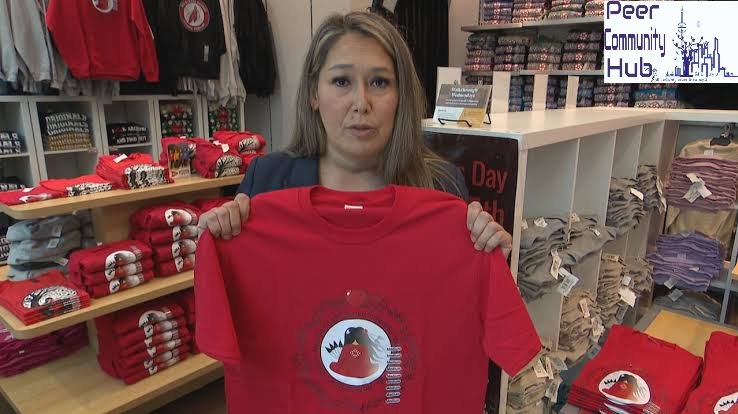
Right now, the fast-fashion giant Shein is facing public accusations from a small Winnipeg-based Indigenous company that claims its proprietary clothing designs have been copied. The Indigenous Nations Apparel Company (INAC), owned by Michelle Cameron, has gone public with claims that Shein has taken approximately 20 of its original designs without permission or compensation. Cameron has described the situation as deeply upsetting for her team, noting that significant anger has emerged from the alleged copying. The story has gained traction on social media platforms like X, where users are discussing the power imbalance between a small Indigenous-owned business and a global fast-fashion corporation. The timing of this public accusation has contributed to the topic trending as people share and react to the allegations online.
Common Perspectives
Small Business vs. Corporate Power
Many observers are framing this as a classic David versus Goliath scenario, where a small Indigenous-owned company is challenging the practices of an international retail giant. This perspective emphasizes the difficulty small businesses face when competing against corporations with vast resources and global reach, highlighting concerns about how design ownership is protected in the fast-fashion industry.
Cultural Appropriation Concerns
Some voices in the conversation are focusing on the cultural implications of the allegations, noting that when designs from Indigenous creators are allegedly copied by large fashion companies, it raises questions about respect for cultural heritage and intellectual property. This viewpoint centers on the idea that Indigenous designs carry cultural significance that extends beyond commercial value.
Industry-Wide Design Practices
Another perspective examines this incident as part of broader discussions about how the fast-fashion industry operates, particularly regarding design sourcing and originality. Observers taking this view suggest that the situation reflects ongoing questions about how fashion companies develop their product lines and what constitutes original design versus inspiration in the industry.
Legal and Practical Challenges
Some commentators are pointing out the practical difficulties that arise when small companies attempt to address alleged design copying by large corporations. This perspective focuses on the resources required to pursue legal action, the complexity of proving design ownership, and the challenges of enforcing intellectual property rights across international boundaries.
A Different View
Beyond the immediate accusations, this situation invites consideration of how digital platforms have changed the way design disputes become public. Unlike traditional legal battles that unfold in courtrooms over years, today's accusations can spread rapidly through social media, creating immediate public awareness and pressure. The viral nature of these discussions means that the conversation itself—how people share, comment on, and respond to the allegations—becomes part of the story, shaping how the issue is understood and discussed beyond the original claims.
Conclusion
The current discussion around Shein and the Indigenous Nations Apparel Company reflects ongoing tensions in the fashion industry about design ownership, cultural respect, and the relationship between small creators and large corporations. As the story continues to develop on social media, it serves as a reminder of how quickly accusations can gain public attention in today's connected world.
Sources and discussion
These public posts were collected while researching this story. They provide context and reactions, but may not independently verify every claim.
View the original topic on XPEER COMMUNITY HUB, Our Empowerment Zone! 🇨🇦✌️
@p_communityhub
Fast-fashion brand Shein accused of stealing designs from Winnipeg-based Indigenous company #News
May 27, 2026PEER COMMUNITY HUB, Our Empowerment Zone! 🇨🇦✌️
@p_communityhub
The Winnipeg-based Indigenous Nations Apparel Company (INAC) has accused fast-fashion giant Shein of stealing approximately 20 of its proprietary clothing designs. 'We're all really upset about it. A lot of anger's coming from it,' says INAC owner Michelle Cameron #News
May 27, 2026Brittney Saunders
@brittney_sa3bl1
Just a gal from little old Newcastle taking on the big fashion brands and having a story on national news! SOMEONE PINCH ME! 🥹🥲
May 27, 2026Mambo Italiano
@mamboitaliano__
🚨 BREAKING Gucci joins Formula 1! Gucci has signed a major title sponsorship with Alpine From 2027, the team will race as Gucci Racing Alpine F1 Team Italian Flavio Briatore is one of the key architects behind the deal 🇮🇹 Fashion and speed unite 🔥🏎️
May 27, 2026372 likes47 repostsNative American Roots
@native_history_
Quannah Chasinghorse is fierce. She is breaking barriers — showing the world the beauty of Indigenous culture, and opening the eyes of those who have never seen themselves represented in the fashion world.
May 27, 202618 likes1 repostsChristian Gadfly المشاغب المسيحي
@FurqanHaqq
It also blurs the story with a parable from the New Testament in typical Quranic fashion. Once upon a time there was a book report on the Bible given by a student who never read the text. His name was Muhammad. He made it up as he went blending and confusing details along the
May 27, 20264 likes