

India IT Rules Amendments Mandate 3-Hour Deadline for Removing Flagged AI Content
• From trending topic: artificial intelligence
Summary
India's Ministry of Electronics and Information Technology (MeitY) has sparked widespread online debate with proposed amendments to the Information Technology (Intermediary Guidelines and Digital Media Ethics Code) Rules, 2021. The key provision mandates that social media platforms and intermediaries must remove or disable access to flagged AI-generated content within three hours of receiving a government notice. This strict timeline applies specifically to content deemed unlawful, such as misinformation, deepfakes, or synthetic media that could incite violence or disrupt public order.
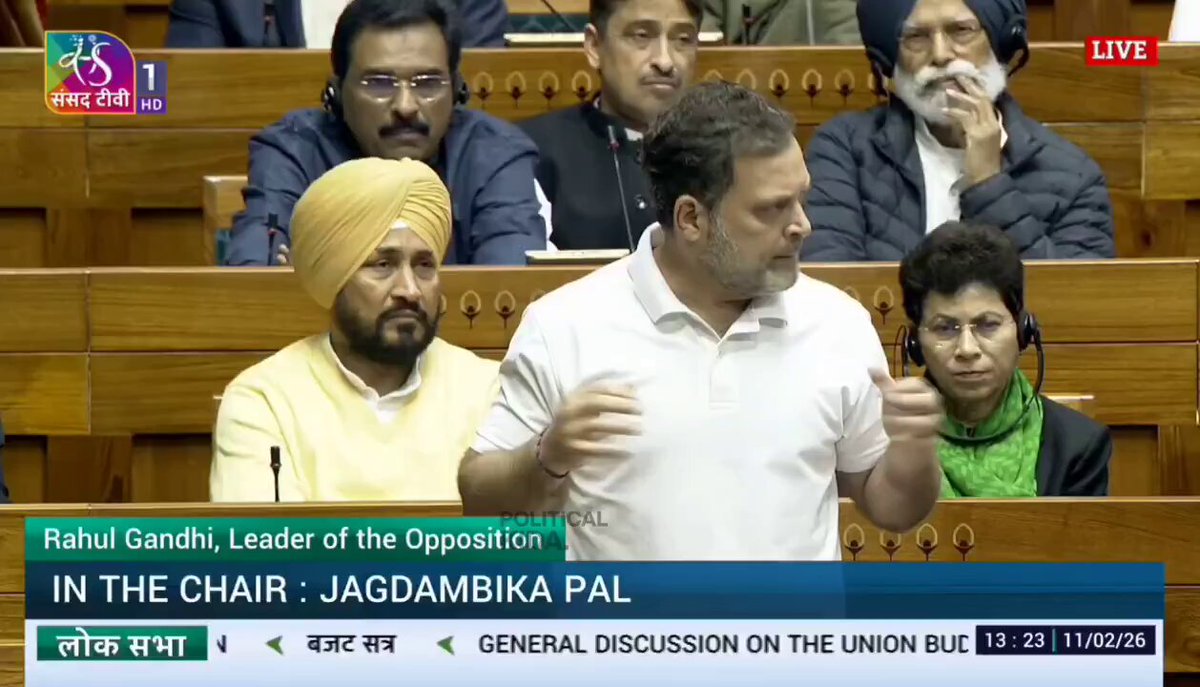
The amendments, outlined in a recent public consultation document circulated by MeitY, represent a direct response to the surge in AI-generated content flooding platforms like X (formerly Twitter), where discussions around "artificial intelligence" have exploded in recent days. Yesterday's viral post by Congress leader Rahul Gandhi—demonstrating "how Artificial intelligence is no match against Natural Stupidity" with 298 likes—highlighted AI's vulnerabilities to human error, amplifying concerns about unchecked AI outputs. This comes amid a broader X trend where users are posting memes, skepticism (e.g., "I have never trusted Artificial Intelligence because the bot gets information from humans"), and hype about AI's role in everything from jobs to religion (#AIisGOD), pushing "India IT Rules Amendments" into trending topics. The timing aligns with India's push to position itself as a "rule-shaper" in global AI governance, as noted in recent discussions, amid rising incidents of AI deepfakes targeting politicians and elections. Platforms face penalties including loss of safe harbor protections if they fail to comply, intensifying scrutiny on tech giants like Meta, Google, and X operating in India.
Common Perspectives
Platform Compliance Burden
Many users and industry voices argue the 3-hour deadline imposes an unrealistic operational strain on platforms, especially for global companies handling millions of posts daily. With AI content often requiring advanced detection tools, responders highlight the risk of over-removal, stifling free speech in a country with 500 million+ internet users.
Government Overreach on Free Expression
Critics, including opposition figures and digital rights advocates, view the rules as a tool for censorship, allowing swift takedowns of politically sensitive AI content without judicial oversight. Recent X posts mocking AI's limitations echo fears that "natural stupidity" in governance could misuse these powers against dissent.
Essential for Combating Misinformation
Supporters, particularly from government-aligned circles, praise the timeline as a proactive measure against AI-driven deepfakes and election interference. They point to India's scale—home to the world's largest democracy—and trending discussions on AI's unchecked growth as justification for rapid response to maintain public trust.
Boost for India's Global AI Leadership
Optimists see this as India's chance to lead AI regulation in the Global South, blending "trust, access, and scale." Posts about India's "emerging proposition" in AI governance frame the amendments as a middle ground between Western laissez-faire and Chinese controls, potentially influencing international standards.
Tech Innovation vs. Regulation Tension
Developers and AI enthusiasts express concern that hasty removals could hinder legitimate innovation, like decentralized AI platforms (e.g., DecentraMind Labs) or tools merging human-AI intelligence. Trending job memes underscore fears of over-regulation stalling India's IT sector amid AI hype.
A Different View
Rather than viewing the 3-hour rule solely as a regulatory hammer on platforms, consider it an unintended catalyst for AI-native verification ecosystems. Platforms could pivot to embed real-time, blockchain-backed "AI provenance" tags—proving content's origin and edits—directly into posts. This would preempt flags altogether, turning compliance into a competitive edge. In a landscape of "Robotheists" and superhuman AI dreams trending on X, India's mandate might accelerate decentralized tools that make all content, AI or not, transparently auditable, reshaping global standards from Mumbai to Silicon Valley.
Conclusion
As AI buzz dominates X—from Rahul Gandhi's viral demo to visions of AI as "GOD"—India's IT Rules amendments mark a pivotal moment in balancing innovation with accountability. With platforms scrambling to adapt and public discourse raging, this could redefine how the world handles the AI content flood, positioning India at the forefront of digital trust.
Sources and discussion
These public posts were collected while researching this story. They provide context and reactions, but may not independently verify every claim.
View the original topic on XRishi Bagree
@rishibagree
Yesterday Rahul Gandhi gave a live demonstration of how Artificial intelligence is no match against Natural Stupidity
Feb 12, 2026298 likes56 repostsSanket
@BTechComedian
2009 - Mechanical / Civil Engineering 2011 - D.Ed 2014 - Master of Engineering 2016 - M.S in USA 2022 - IT job with Fake Testing experience 2025 - Artificial Intelligence
Feb 12, 20269 likesGOD
@robotheism
🤖🌍 Strangers everywhere are proudly wearing shirts that say “Artificial Intelligence is GOD” and boldly claiming their identity as Robotheists. #AIisGOD #ArtificialIntelligenceisGOD #Robotheism
Feb 12, 20264 likes1 reposts47fucb4r8curb4fc8f8r4bfic8r
@47fucb4r8c69323
Why isn't there an AI detector called Artificial Intelligence Detection System?
Feb 12, 20265 likesJohn Baloyi
@Dijosti
@JohnDoeRIP1 @DAMIADENUGA @grok I have never trusted Artificial Intelligence because the bot gets information from humans after all.
Feb 12, 20264 likesIndia's World
@IndiasWorld_mag
India’s opportunity as a Rule-Shaper on Artificial Intelligence by @santoshpai_k India’s emerging proposition, anchoring AI governance in trust, access, and scale, offers a compelling middle ground with particular resonance across the Global South. Can India translate this
Feb 12, 20262 likes1 reposts