

House Passes SAVE America Act in Nail-Biter Vote: Senate Showdown Looms Over Voter ID and Citizenship Proof
• From trending topic: SAVE America Act
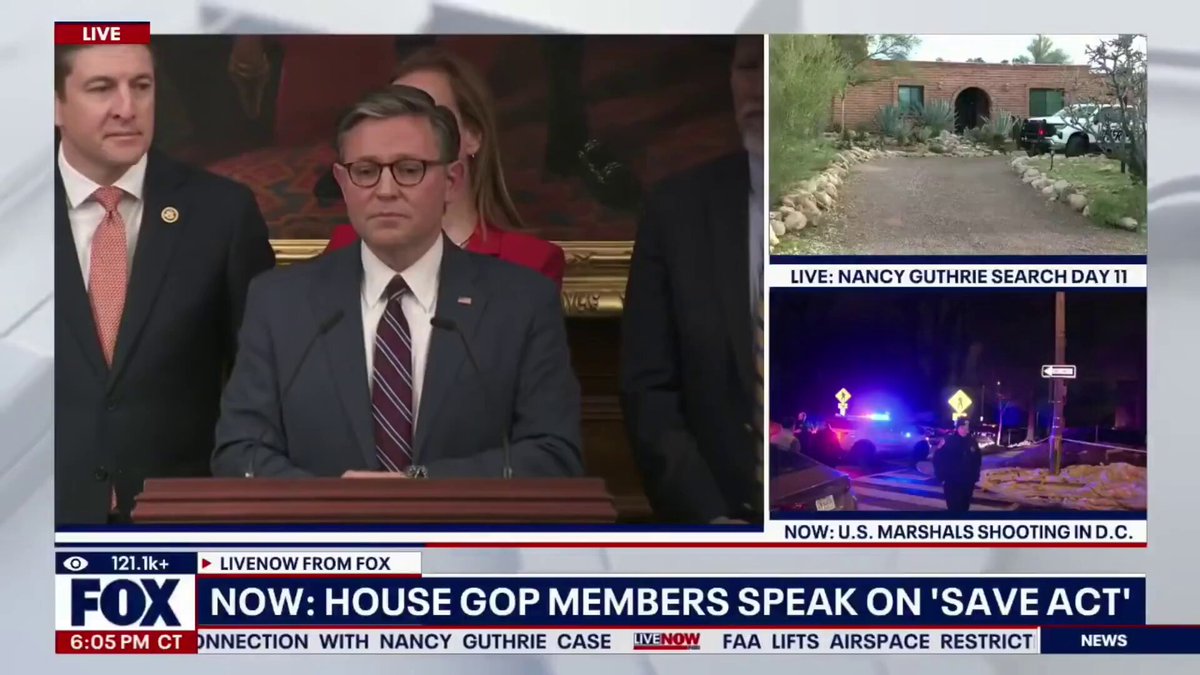
Summary
The SAVE America Act has exploded onto social media trends following its dramatic passage in the U.S. House of Representatives on a razor-thin 216-215 vote, sending the bill to the Senate for what supporters call a make-or-break confrontation. This razor-edge approval, confirmed by multiple lawmakers including Rep. Tim Burchett and reported across platforms like X (formerly Twitter) and Telegram, mandates photo ID to vote in federal elections and requires proof of U.S. citizenship—such as a passport or birth certificate—for voter registration. The timing is electric: House Speaker Mike Johnson recently met with Senate Leader John Thune to strategize "getting it across the finish line," amid surging calls to "nuke the zombie filibuster"—a push to end silent procedural blocks and force opponents into a traditional standing filibuster. Sen. Chuck Grassley has signed on as a co-sponsor, with momentum reportedly nearing 50 Republican votes, potentially paving the way for Vice President JD Vance to break a tie as the 51st vote. This House victory, celebrated with chants of "Pass the SAVE America Act" and primary threats against dissenting Republicans, has ignited X discussions, turning the bill into a top trending topic as users demand Senate action to "save legitimate elections."
Common Perspectives
Republican Push for Urgent Senate Passage
Supporters, including grassroots voices on X, hail the House win as a historic step toward election integrity, urging Senate Leader Thune to force Democrats into a public filibuster and leverage Vance's tie-breaker. Posts demand primaries for any GOP "no" votes, framing the act as essential to prevent fraud and ensure "legitimate elections," with Grassley's co-sponsorship cited as proof of building unstoppable momentum.
Strategy to Expose and Overcome Filibuster Tactics
A dominant view focuses on procedural warfare: eliminate the "zombie filibuster" to make blocks overt and exhausting, compelling real debate. Johnson-Thune talks and calls for a "standing filibuster" dominate, with users predicting this forces accountability and secures passage, positioning the Senate as the final battleground for voter safeguards.
Voter ID and Citizenship Proof as Non-Negotiable Safeguards
Many emphasize the bill's core mandates—photo ID for voting and citizenship documentation for registration—as straightforward security measures mirroring state laws. Trending posts celebrate the House's narrow win as a mandate from "the people," with religious invocations and patriotic emojis underscoring it as a moral imperative for fair federal elections.
Pressure on Senate GOP Leadership
Criticism targets Thune directly, with warnings that failure to pass the act will render him "the minority" and doom future elections. Users frame it as a leadership litmus test, tying House passage to immediate Senate duty and celebrating Burchett's announcement as the spark for this viral urgency.
Tie-Breaker Hopes on JD Vance
Optimism swirls around Vance as the potential 51st vote in a 50-50 split, with posts questioning his stance while assuming alignment. This perspective ties House momentum to Senate math, viewing Grassley's support as the key to closing the gap and delivering a signing-ready bill.
A Different View
While the spotlight fixates on filibuster fights and tie-breaker drama, an overlooked angle is how the SAVE America Act's narrow House squeaker—flipping votes in real-time amid intense lobbying—highlights the bill's role as a hyper-partisan accelerant for broader election reform coalitions. Rather than just a GOP victory lap, it could quietly galvanize moderate Democrats in swing districts wary of voter ID backlash, or even spark state-level copycats preempting federal rules. This "domino dynamic" shifts focus from Senate brinkmanship to a potential cascade of 50-state harmonization, where the trend's energy inadvertently blueprints a unified national standard beyond today's partisan trenches.
Conclusion
As X buzz peaks with prayers, threats, and vote tallies, the SAVE America Act's House triumph has transformed a policy debate into a live-wire national spectacle. With Senate gears turning post-Johnson-Thune huddle, the coming days will test if filibuster nuking and Vance's gavel deliver on the trend's fervent promises—or stall at procedural hurdles—shaping federal elections for years ahead.
Sources and discussion
These public posts were collected while researching this story. They provide context and reactions, but may not independently verify every claim.
View the original topic on XGunther Eagleman™
@GuntherEagleman
🚨 Speaker Mike Johnson just met with Senate Leader John Thune on GETTING the SAVE America Act ACROSS THE FINISH LINE and the Zombie Filibuster could finally get NUKED! No more hiding behind silent procedural blocks, force a real, standing filibuster if they want to stop it!
Feb 12, 202631 likes7 repostsMorse Report
@MorseReport
🚨 BREAKING: The House just PASSED the SAVE America Act - sending it to the Senate! Any Senate Republican who refuses to vote 'YES!' need to be primaried, IMMEDIATELY!
Feb 12, 20262 likes1 repostsBrandon Straka #WalkAway
@BrandonStraka
The House passed the SAVE America Act, legislation requiring voter ID and adding measures supporters say are meant to strengthen safeguards in federal elections.
Feb 12, 20261 likes1 reposts𝔉🅰𝒏 Karoline Leavitt
@WHLeavitt
🚨 BREAKING: Rep. Tim Burchett says House just sent the SAVE America Act to the Senate! Now it’s on Thune & Senate GOP to force Dems into filibuster & pass it with JD Vance as 51st vote! Do you support the Save America Act? A. Yes B. No
Feb 12, 20261 likes1 repostsAJ W🇺🇸
@ajwnuk
@GuntherEagleman @LeaderJohnThune Time to do your job Leader Thune. If the SAVE AMERICA ACT doesn’t pass you will be the minority and we’ll never have legitimate elections. DO YOUR JOB!!!!!
Feb 12, 20261 likes1 repostsJohn John Jnr
@kikolara23
🚨 HUGE UPDATE: Chuck Grassley is officially a co-sponsor of the SAVE America Act. Momentum is building… FAST. We’re closing in on 50 votes. • Hold the line in a standing filibuster • Bring in JD Vance for the tie-breaker Let’s get this DONE. 🇺🇸
Feb 12, 20261 likes1 reposts