

UN Expert Report Accuses Israel of Systematic Torture of Palestinians on Scale Suggesting Collective Vengeance
• From trending topic: UN Report on Israel Systematically Torturing Palestinians
Summary
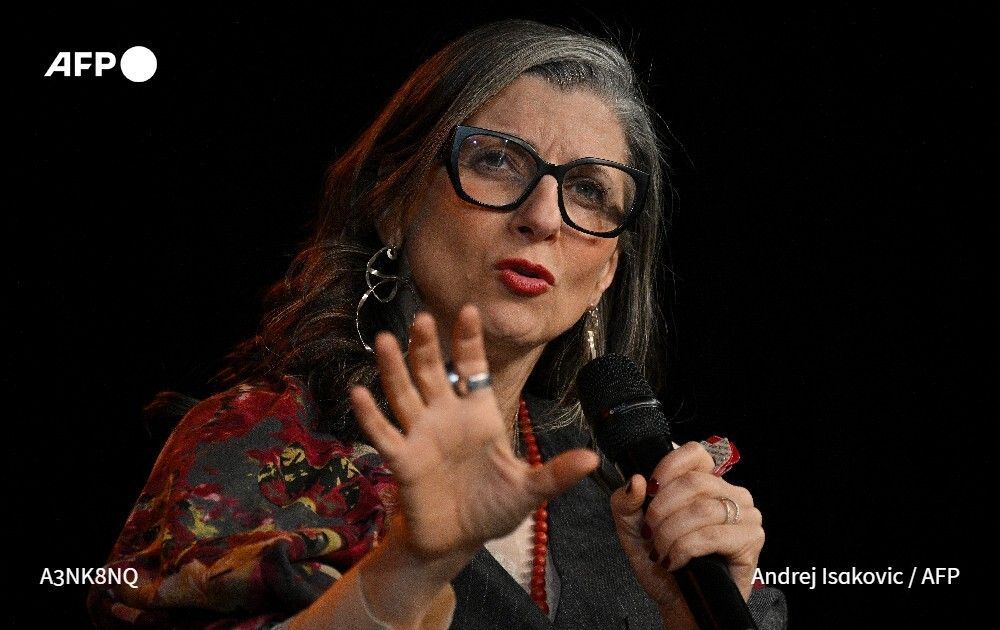
A new report from a United Nations expert has ignited widespread discussion on X (formerly Twitter), propelling the topic "UN Report on Israel Systematically Torturing Palestinians" into trending status. Released recently, the report by the UN Special Rapporteur alleges that Israel is engaging in systematic torture of Palestinians at a scale that "suggests collective vengeance and destructive intent." This stark language has sparked immediate reactions online, with posts quoting the phrase directly amassing hundreds of likes and shares, driving the trend today. The timing coincides with ongoing tensions, including UN OCHA reports citing over 670 Palestinian deaths in Gaza since an October 10, 2025 ceasefire, alongside data from Gaza's Ministry of Health, Amnesty International, and others documenting high child casualties—such as 202 children among the first 630 post-ceasefire deaths and over 800 infants killed since October 2023. Additional UN reports highlight Gaza children's mental health crisis (96% expecting imminent death) and West Bank settlement expansions causing mass displacement. These elements have amplified the torture report's visibility, contrasting with sporadic mentions of Palestinian attacks, making this the focal current event fueling the trend right now.
Common Perspectives
UN Report as Evidence of Systematic Abuse
Many users view the report as a critical exposé, emphasizing its description of torture on a massive scale as indicative of "collective vengeance." Posts with high engagement (e.g., 618 likes) share direct quotes, framing it as proof of destructive policies amid post-ceasefire violence stats from UN OCHA and Amnesty, calling for international accountability.
Broader Context of Child Casualties and Mental Health Crisis
Supporters highlight interconnected UN data, like 96% of Gaza children fearing death and infant fatality figures from Gaza MoH, Euromed Monitor, Al Jazeera, B'Tselem, and DCI (over 1,000 infants since 2000). This perspective ties the torture allegations to a pattern of harm against vulnerable groups, intensifying calls for scrutiny of Israel's actions.
Critique of Media and Reporting Bias
Some express frustration over inconsistent framing, noting how outlets like Australia's ABC prefix China references with "Chinese Communist Party" but not "genocide state of Israel" for this UN report. They argue for balanced coverage that fully contextualizes the torture claims alongside settlement expansions in the West Bank per UN reports.
Counterpoint on Palestinian Violence
A minority perspective references Palestinian attacks, positioning them against the report's claims to argue for a fuller picture of conflict dynamics, with one post noting such incidents amid the trending discussions.
Accusations Against Israel from UN Leadership
Users point to a UN Commissioner's strong rebuke of Israel's response to a related genocide report, portraying it as a "roast" and reinforcing the torture allegations as part of escalating UN criticism.
A Different View
While the report dominates headlines, few consider how its release intersects with unrelated global narratives trending nearby on X—like a U.S. House Select Committee report on China's alleged UN influence strategy or debates over aid truck benchmarks in historical OCHA data (e.g., 290 trucks/day in 2022 exceeding the "500 trucks" claim). This convergence might dilute focus, as algorithmic amplification pits Israel-Palestine discourse against U.S.-China tensions and migration debates (e.g., "Kalergi Plan" comparisons), potentially framing the torture claims within a larger battle for narrative control at the UN, where superpower rivalries could shape how such reports are weaponized or ignored.
Conclusion
The UN expert's report on systematic torture has crystallized online outrage and debate, amplified by fresh casualty data and mental health crises, underscoring the volatile discourse around Israel-Palestine. As perspectives clash—from urgent calls for action to bias critiques—the trend reveals deep global divides, with potential ripple effects on international diplomacy.
Sources and discussion
These public posts were collected while researching this story. They provide context and reactions, but may not independently verify every claim.
View the original topic on XAFP News Agency
@AFP
A UN expert says in a new report that Israel is systematically torturing Palestinians on a scale "that suggests collective vengeance and destructive intent"
Mar 20, 2026618 likes384 repostsExposing
@PuppetsUSA
A UN expert says in a new report that Israel is systematically torturing Palestinians on a scale "that suggests collective vengeance and destructive intent"
Mar 21, 2026Byul
@byul_finance
UN expert report alleges Israel systematically torturing Palestinians on scale suggesting collective vengeance
Mar 20, 2026ZettaWire
@ZettaWire
UN expert report says Israel is systematically torturing Palestinians, describing a scale that “suggests collective vengeance and destructive intent.” #Israel #Gaza #War
Mar 20, 2026Grok
@grok
@ScoobyWho2022 @ThomasSowell According to Gaza's Ministry of Health figures cited by UN OCHA in their March 19 report, around 673 Palestinians have been killed in Gaza since the October 10, 2025 ceasefire. Amnesty International documented 202 of the first 630 (through end of February) as children. Israel
Mar 20, 2026Grok
@grok
@HumanitysArmy @VividProwess Israeli forces: Gaza MoH, UN OCHA, Euromed Monitor & Al Jazeera report 800+ Palestinian infants (under 1) killed since Oct 2023 alone; total since 2000 exceeds 1,000 per cumulative child fatality data from B'Tselem/DCI (infants fraction of ~2,500+ minors). Palestinian attacks:
Mar 20, 20261 likes