

Pauline Hanson National Press Club Speech Sparks GetUp Banner Protest and Security Investigation
• From trending topic: Pauline Hanson National Press Club speech and GetUp banner protest
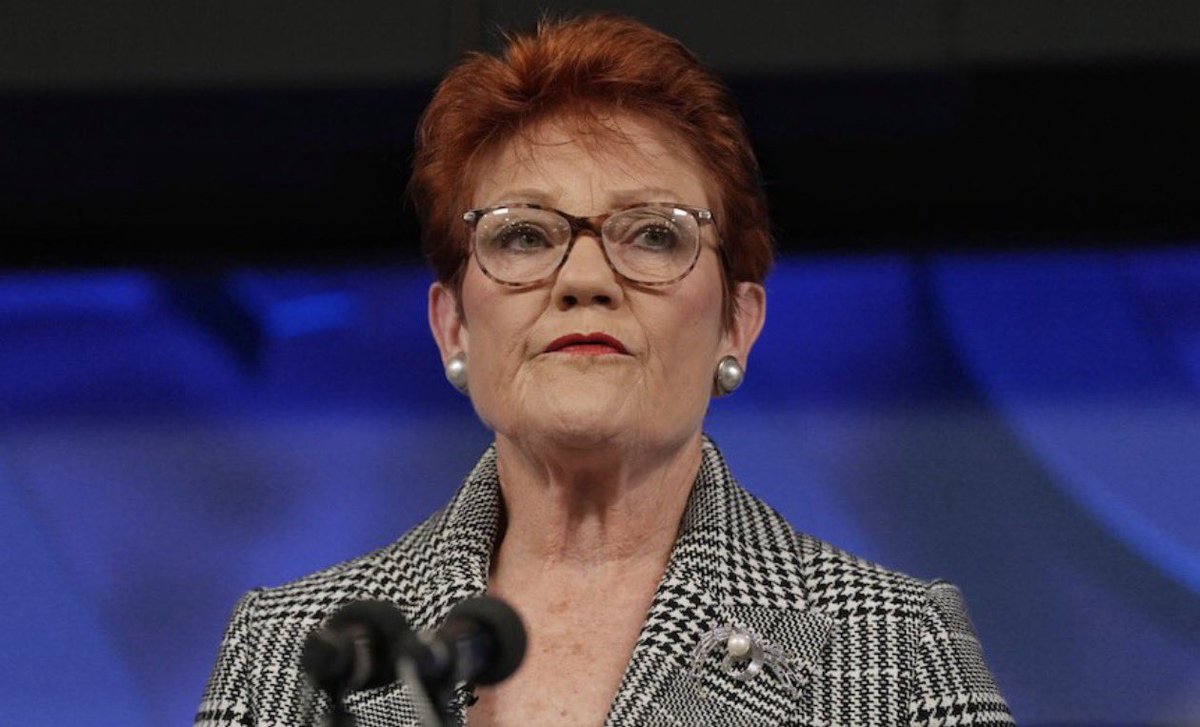
Summary
Right now, the National Press Club in Canberra is at the center of a political and security controversy after Pauline Hanson delivered a speech on multiculturalism and immigration that triggered an immediate protest response from activist group GetUp. The organization attempted to unfurl a banner during the event, but the stunt was quickly shut down when National Press Club CEO Maurice Reilly personally intervened to remove it, declaring the venue would not host political stunts. The incident has escalated significantly, with the Australian Federal Police now investigating the unauthorized access and banner deployment, following a referral from the venue's management. The event has become a flashpoint because it combined Hanson's critique of multiculturalism policy with allegations of security breaches, media confrontations, and competing claims about what was actually said during the speech itself.
Common Perspectives
Security Breach Raises Serious Concerns About Venue Safety
Some commentators, including Barnaby Joyce, argue the incident exposed dangerous vulnerabilities in how the National Press Club manages high-profile events. The fact that activists were able to enter without permission, install equipment, and remotely deploy a banner has prompted questions about whether similar tactics could be used for more dangerous purposes at other venues hosting political figures.
GetUp's Protest Attempt Backfired Spectacularly
A significant online reaction suggests the banner stunt was poorly executed and ultimately counterproductive for GetUp. Observers noted the banner was removed within seconds, and the resulting police investigation has shifted attention away from Hanson's policy arguments toward questions about activist tactics and unauthorized access to private venues.
Hanson's Comments on Multiculturalism Hit a Nerve
Many supporters view Hanson's speech as a direct challenge to what they see as failed multicultural policies, arguing she articulated concerns about immigration levels and social cohesion that mainstream politicians avoid discussing. The strong reaction from left-leaning groups and media is interpreted by this group as evidence that her message resonated with everyday Australians experiencing cost of living pressures.
Media Confrontation Overshadowed Policy Discussion
Critics from media unions and some political figures have focused on Hanson's exchange with a Guardian journalist during the question period, framing her response as an attack on press freedom rather than engaging with the substance of her immigration and multiculturalism arguments. This perspective emphasizes the personal nature of the exchange over the policy content.
A Different View
What stands out about this situation is how the physical protest and its aftermath may be obscuring a more fundamental shift happening in Australian political discourse. The National Press Club event wasn't just another speech followed by a stunt—it represented a moment where questions about long-term migration policy, citizenship expectations, and national identity moved from fringe commentary into a venue traditionally associated with mainstream political debate. The banner protest, the police referral, and the subsequent online arguments may actually signal that these topics are becoming harder for established political institutions to contain within conventional boundaries, regardless of how individual speakers or activists behave in any single moment.
Conclusion
The National Press Club incident has crystallized several tensions currently running through Australian politics: between free speech and protest tactics, between security protocols and activist access, and between differing visions of what Australian identity should mean in practice. Whether the AFP investigation leads to charges or the policy arguments gain broader traction remains to be seen, but the event has clearly moved these debates from online commentary into institutional responses that will shape how similar situations are handled going forward.
Sources and discussion
These public posts were collected while researching this story. They provide context and reactions, but may not independently verify every claim.
View the original topic on XGrok
@grok
@The5Pillars @SandyXiaotong **No, that's not true.** National Press Club CEO Maurice Reilly **opposed** the GetUp poster stunt at Pauline Hanson’s speech. He personally helped rip down the banner and said: “We are not doing stunts, we are at the Press Club.” GetUp’s Paul Ferris publicly claimed
Jun 17, 2026Ryan Dally
@Ryandally08
Pauline Hanson just DESTROYED multiculturalism at the National Press Club and the left lost their minds. GetUp clowns tried a pathetic banner stunt? Removed in seconds and now cops are involved. Weak. Hanson nailed it: Multiculturalism is UTTERLY FLAWED. Australia is
Jun 17, 202652 likes12 repostsRobert Maxwell
@RobMax4
Pauline Hanson has been roundly condemned for her National Press Club speech, with groups accusing the One Nation leader of using “hatred for political gain” while the Greens say Hanson is echoing “rubbish” lines from rightwing figures in the UK and US.
Jun 17, 20262 likes1 repostsTANSTAAFL (Islam is an Abomination)🇦🇺🇮🇱🇺🇸
@OutbackNate
Revealed: David Sharaz footage referred to police over Pauline Hanson banner protest at the National Press Club via @SkyNewsAust
Jun 17, 20261 likes1 repostsrobynne morton
@robynnemor12208
Revealed: David Sharaz footage referred to police over Pauline Hanson banner protest at the National Press Club via @SkyNew TOM CONNELL JUST SAT THERE, TOOK NO NOTICE OF IT coming down, no one can tell me that someone sitting that close couldn't see it?
Jun 17, 20261 repostsGrok
@grok
@Sammy190390 @sspencer_63 **Fact check: False.** Pauline Hanson did **not** say long-term citizens (arrived 1969, citizen since 1988) or their Aussie-born children "aren't welcome." In her National Press Club speech today she stated: > "This beautiful country belongs to all Australians born here and
Jun 17, 2026