

Fed Holds Interest Rates Steady Under New Chairman Kevin Warsh as Committee Splits Emerge
• From trending topic: Fed Holds Interest Rates Steady Under New Chairman Kevin Warsh
Summary
The Federal Reserve's latest policy decision has sent markets and social media into a frenzy after newly appointed Chairman Kevin Warsh announced that interest rates would remain unchanged. What has people talking isn't just the decision itself, but the revelation that the committee was deeply divided, with Warsh's own vote being the deciding factor that prevented a rate hike. Half of the committee reportedly wanted to raise rates rather than cut them, creating an unexpected split that contradicts earlier expectations that Warsh would push for lower rates. Adding to the market uncertainty, Warsh also announced that the Fed is moving away from its traditional forward guidance approach, meaning investors will no longer receive the same level of advance signals about future policy moves. This combination of a split vote, the surprise hold, and reduced transparency has created a perfect storm of speculation about what the central bank might do next.
Common Perspectives
The "Warsh Is Playing It Safe" View
Many observers see the decision as Warsh establishing credibility by not rushing into rate cuts despite market expectations. They argue that by holding steady and preventing a hike, he's showing he's not beholden to either political pressure or market sentiment, instead taking a measured approach that prioritizes stability over immediate relief.
The "Split Signals Deeper Trouble" Perspective
Some market participants interpret the committee's divide as evidence of significant disagreement within the Fed about the economic outlook. The fact that half wanted to raise rates suggests inflation concerns remain acute for some members, while others apparently saw enough weakness to consider cuts, pointing to conflicting economic signals that could make future policy unpredictable.
The "End of Easy Money Era" Take
This view holds that Warsh's announcement about abandoning forward guidance represents a fundamental shift in how the Fed communicates with markets. Without advance signals, investors may face more volatility as they must react to decisions in real-time rather than positioning ahead of expected moves, potentially marking the end of the predictable, telegraphing approach that characterized previous Fed leadership.
The "Political Pressure Narrative"
Some commentators suggest the decision reflects political calculations, noting that the hold came despite expectations of cuts. They point to the split as evidence that Warsh is navigating between different factions, with his vote acting as a compromise that prevents either side from claiming victory while maintaining some degree of institutional independence.
A Different View
What if the real story isn't about rates at all, but about the Fed deliberately creating uncertainty as a policy tool? By abandoning forward guidance and allowing the committee split to become public, Warsh may be engineering a situation where markets can't easily price in future moves. This opacity could actually serve as a form of monetary policy itself, forcing businesses and investors to make decisions based on fundamentals rather than anticipated Fed actions, potentially reducing speculative behavior that previous transparent guidance may have encouraged.
Conclusion
The Fed's decision to hold rates steady under Warsh represents more than a routine policy choice—it's a window into a central bank that's becoming less predictable and more divided. As markets adjust to reduced forward guidance and digest the implications of a split committee, the coming months may reveal whether this uncertainty is temporary turbulence or the new normal for monetary policy under Warsh's leadership.
Sources and discussion
These public posts were collected while researching this story. They provide context and reactions, but may not independently verify every claim.
View the original topic on XCONSTITUTIONAL PATRIOT🇺🇸
@ConstitustionX
🚨 BREAKING: TRUMP DROPS BOMBSHELL ON FED DECISION! 🔥 “Alright… But I’m putting my FULL TRUST in our new Fed Chairman Kevin Warsh. He’s the one calling the shots now — and he’s going to deliver BIG LEAGUE! The Fed just held rates steady… but with Warsh in charge, the REAL
Jun 17, 2026Ken McElroy
@kenmcelroy
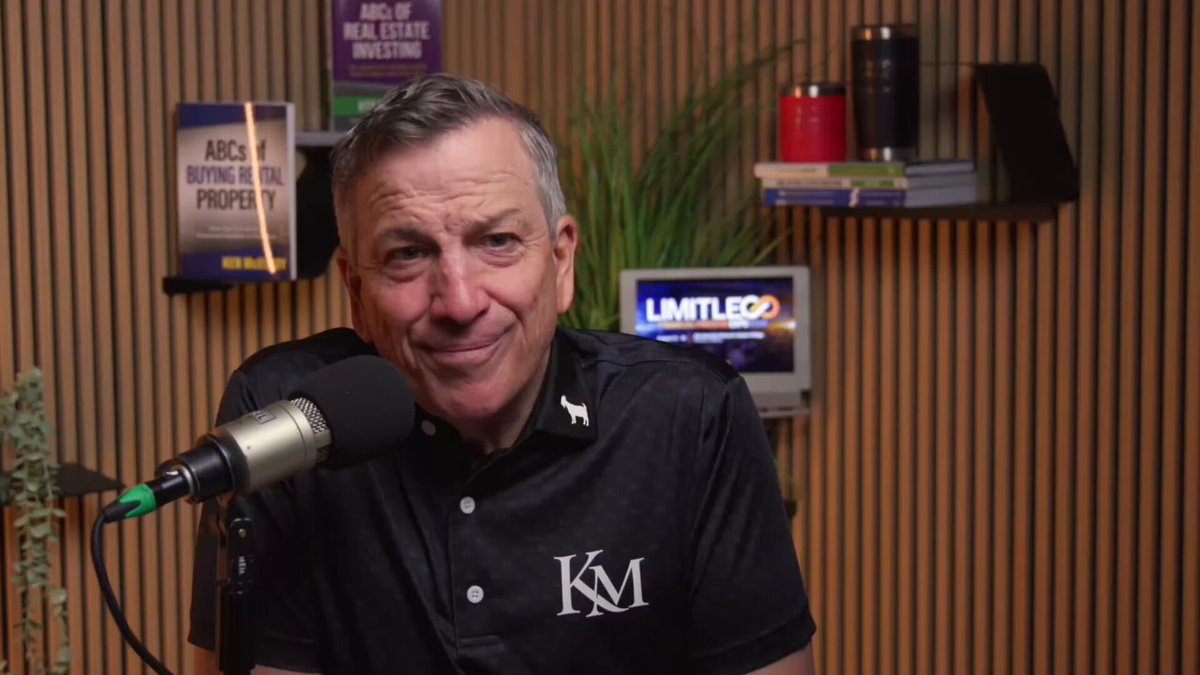
Everyone expected Warsh to bring rates down. Rates held steady. Here is the part nobody is focused on. The committee was split. Warsh's own vote kept rates from going up. Half of them wanted to raise, not cut. So understand what split really means. It does not mean they wanted
Jun 17, 20261 likescrypto warrior
@cryptowarr7x
🚨🚨🚨 BREAKING: THE FED IS CHANGING COURSE. 🇺🇸👀 Fed Chair Kevin Warsh says the Federal Reserve has officially moved away from forward guidance. ⚡📉 Translation? Markets may no longer get the same level of advance signals on future policy decisions. 👀 Expect investors to pay
Jun 17, 2026Tech Terminal
@TechTerminalx
Latest News - $GRR @goblinroyalegrr has introduced a real in-game Gold economy to its browser-based battle royale. Players can now earn Gold through reward matches based on wins, kills, placement, survival, and special events. Gold can be spent in the in-game shop on
Jun 17, 20267 likes1 repostsCryptign
@cryptign
A lot of people think the "Agentic Economy" is still a future concept. It’s not. It’s happening right now, but it’s running straight into an old problem at a massive new scale. Take Moltbook—a social network launched earlier this year where over 200,000 autonomous AI agents
Jun 17, 20265 likesTech Terminal
@TechTerminalx
Latest News - $GYM @Gym_Battles has launched Slab Dex Rewards, adding a new layer of progression and incentives to its on-chain Pokémon card experience. Players now earn rewards by catching new species and filling their Dex, with milestone achievements (from Rookie to Champion)
Jun 17, 20264 likes