

Chainsaw Man Chapter 232 Ending Sparks Massive Fan Debate: Series Finale or April Fools' Twist?
• From trending topic: Chainsaw Man Chapter 232 Ending
Summary
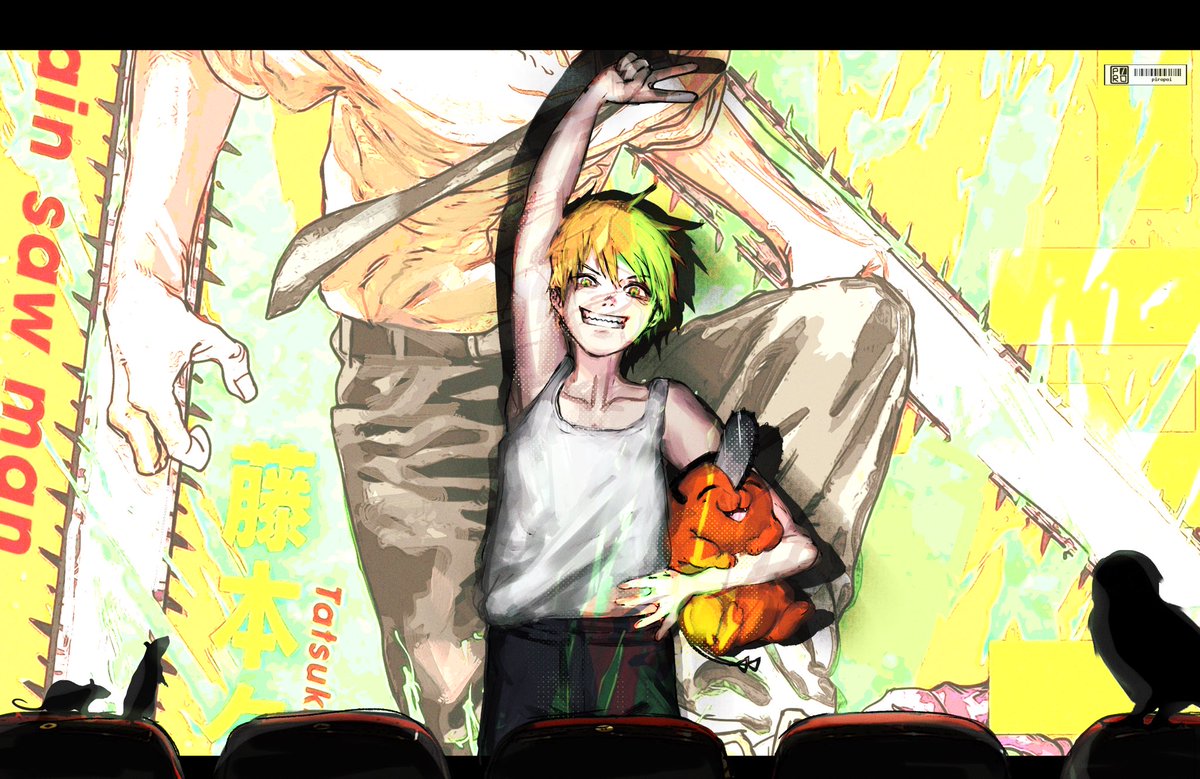
Chainsaw Man Chapter 232 has exploded across X (formerly Twitter) as fans react intensely to what many perceive as the manga's abrupt finale, trending under #csm232 and #chainsawman with thousands of posts in the last 24 hours. The chapter's polarizing conclusion—depicting Denji and Asa embracing a quiet, domestic life after years of chaos—has divided the community, with discussions peaking today amid speculation that author Tatsuki Fujimoto might drop an April Fools' chapter 233 next week on April 1st, potentially reviving the action with Denji battling insects in a last-ditch twist. This surge follows the chapter's recent release, amplified by emotional farewells like "Thank You, Chainsaw Man" and calls for "chainsaw man therapy groups," alongside critiques of unresolved themes. The timing aligns with weekly release hype, turning personal fan reflections into a global conversation about endings, romance payoffs like #asaden, and Fujimoto's bold narrative risks, drawing comparisons to other shonen series and fueling memes about "going outside."
Common Perspectives
Triumphant Payoff for Patient Fans
Many fans hail the ending as a rewarding close, especially for #asaden shippers who celebrate Denji and Asa's long-awaited shoujo-style romance. Posts like "Now they can live the shoujo romance they deserve!" and "We've been rewarded, the Nayuta copium has lasted... but we have been rewarded" express gratitude to Fujimoto, viewing the body-heat intimacy line as a poetic, satisfying resolution after intense buildup.
Disappointment in Execution and Themes
A vocal group critiques the chapter for clashing story elements with its themes, particularly hypersexuality and trauma. Tweets question, "I don't understand how you can write one of the best fictional representations of hypersexuality/trauma, and just give us THAT ending!!?? #broaddressednothing," arguing the domestic turn feels unearned and conflicts with the series' darker vision, leaving emotional arcs underdeveloped.
Hopeful April Fools' Revival Theory
Speculation runs high that the "finale" is a prank, with fans eyeing next week's April 1st release: "What if Fujimoto plays an April Fools’ joke and then drops Chapter 233, where Denji is back fighting the insects?" This perspective keeps the hype alive, positioning the ending as a temporary cliffhanger rather than a true close.
Bittersweet Acceptance of the End
Numerous posts bid farewell with simple gratitude—"Show’s over folks!" and "Thank you, Chainsaw Man. You too Fujimoto-sensei."—acknowledging the ending's brevity and shonen-like sadness but praising its unexpected quality over typical "bad endings," while lamenting it wasn't longer.
Satirical Take on Industry Impact
Some fans playfully credit Fujimoto's "dumbest" ending for sparking revolt, joking it proves biweekly releases are better: "Every weekly mangaka should just make the dumbest endings possible so people will revolt and companies will think biweekly is better." This ties into broader jabs at rival series like Tokyo Revengers.
A Different View
What if Fujimoto's ending isn't just a narrative choice but a meta-commentary on fandom itself, urging fans to "go outside" as one tweet suggests? By resolving Chainsaw Man in mundane domesticity—Denji feeling "body heat for the very first time"—it subverts shonen expectations, mirroring real-life post-trauma normalcy that fans might resist because it denies endless escalation. This could be Fujimoto's subtle critique of serialized manga addiction, using the April Fools' window not for revival, but to let the story breathe in silence, challenging readers to find closure beyond the page.
Conclusion
As #csm232 dominates X, Chainsaw Man's finale encapsulates Fujimoto's signature unpredictability, blending heartbreak, hope, and hilarity into a trend that's as chaotic as Denji himself. Whether it's truly the end or an elaborate setup, the fervor underscores the series' cultural grip, leaving fans reeling—and refreshingly human.
Sources and discussion
These public posts were collected while researching this story. They provide context and reactions, but may not independently verify every claim.
View the original topic on XEMMANUEL LKD
@EmmanuelLKD
Chainsaw Man fans after reading the FINAL chapter #csm232
Mar 24, 2026Smiley Rodrigues
@MarshSmileyDood
Today was the final day of Chainsaw Man and wow, I expected a bad ending like many other shonen series but this was actually amazing, sad it wasn’t a little longer but it still pulled it off. Thank You, Chainsaw Man. You too Fujimoto-sensei. #CSM232 #Chainsawman
Mar 24, 2026Epix
@EpixMan28
So, next week is April Fools’ Day. That day could be a potential ‘Chainsaw Man’ chapter release day. What if Fujimoto plays an April Fools’ joke and then drops Chapter 233, where Denji is back fighting the insects? (Its his last chance before he gets killed) #chainsawman #csm232
Mar 24, 2026tyu𖥔 ݁˖⭑🌾 | 🌱🌤
@Tchipulyly
Now they can live the shoujo romance they deserve! Thank you fujimoto for chainsaw man!! The end. #asaden #csm232 #chainsawman
Mar 24, 20263 likesNekkoBlue💫
@NekkoBlue
Thank you, Chainsaw Man. #csm232
Mar 24, 2026Cell
@CHellsycthe
We've been rewarded, the Nayuta copium has lasted for so many chapters and we have been rewarded for our patience. Although I felt like its a monkey paws type wish #csm232
Mar 24, 2026